
Blog

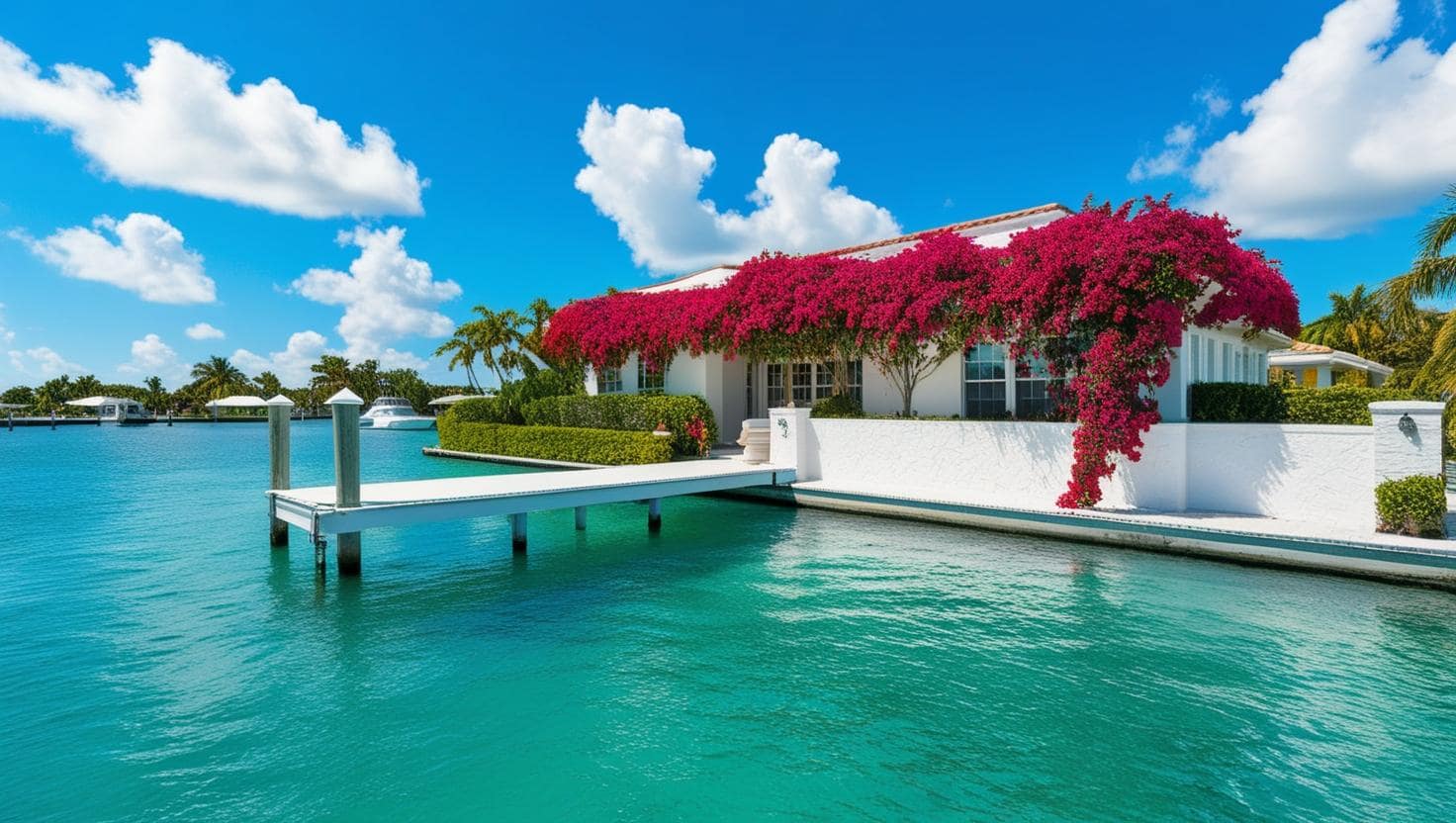
Waterfront Living in Florida: Is It Worth the Extra Cost?

Imagine waking up to the sound of gentle waves lapping against the shore, enjoying breathtaking sunset views from your backyard, and having direct access to Florida’s stunning waterways. 🌇 Waterfront living sounds like a dream—but is it worth the extra cost? As an Orlando real estate expert, I’m here to break down the pros, cons, and key factors you should consider before making the investment. 💼🏡

The Allure of Waterfront Living in Florida 💟

There’s a reason why waterfront properties in Florida are among the most sought-after real estate investments. Whether it’s a home by the ocean, a lakefront retreat, or a canal-side villa, these properties offer unmatched beauty and a lifestyle many aspire to. But along with the stunning views and exclusivity, waterfront homes come with a higher price tag. Here’s why:

1. Unparalleled Views & Serenity 🌆

Waterfront homes provide breathtaking scenery that you can’t get anywhere else. The tranquility of watching the sunrise over the ocean or the peaceful ripples of a lake create a serene environment that can significantly improve your quality of life. 🌿

2. Higher Property Value & Investment Potential 💼

Waterfront properties generally appreciate faster than landlocked homes due to their limited supply and high demand. If you’re looking for a solid real estate investment, buying a waterfront home could pay off in the long run. 🏠📈

3. Direct Water Access & Outdoor Activities 🎣

Love fishing, boating, or kayaking? ⛵️ Many Florida waterfront homes provide direct access to water, allowing you to enjoy these activities right from your backyard. No need for long drives to the marina—you’re already there!

4. Health & Well-Being Benefits 💪

Living near water has been linked to reduced stress, improved mental health, and an overall happier lifestyle. The calming effects of water, fresh air, and natural surroundings can boost your well-being. 🏡🧠


The Hidden Costs of Waterfront Living

While the perks of waterfront living are undeniable, it’s crucial to be aware of the potential downsides and hidden costs before making your decision. 📍 Here are some key factors to consider:

1. Higher Purchase Price & Property Taxes 💸

Waterfront homes often come with premium price tags. On top of that, property taxes can be significantly higher due to their increased value. Before purchasing, factor in these additional costs to ensure it fits within your budget. 📃

2. Homeowners Insurance & Flood Risk 🌊

Living near water comes with an increased risk of flooding and hurricane damage. Florida homeowners insurance can be costly, and you may need additional flood insurance, which can add thousands to your annual expenses. Check FEMA flood zone maps and insurance quotes before buying. 📢

3. Maintenance & Wear-and-Tear 🪑

Waterfront homes require more upkeep due to exposure to salt air, humidity, and storms. Corrosion, mold, and water damage are common issues that can lead to costly repairs. Regular maintenance, including seawall inspections and dock repairs, is essential. 🛠

4. HOA & Special Assessments 💼

Many waterfront communities have homeowner association (HOA) fees to maintain shared amenities like private docks and seawalls. Some areas also impose special assessments for coastal protection projects, so be sure to research potential extra costs. 📊


Best Florida Locations for Waterfront Living 🌎

If you’re considering waterfront living in Florida, location matters! Here are some of the top areas known for their stunning waterfront properties:

1. Miami & Fort Lauderdale 🌴

  • Luxury oceanfront condos & high-end estates
  • Bustling nightlife & cultural scene
  • Higher price tags but strong investment potential

2. Naples & Marco Island 🏖

  • Quiet, upscale coastal communities
  • Beautiful beaches & golf courses
  • Higher insurance costs but excellent quality of life

3. Tampa Bay & St. Petersburg 🌊

  • Affordable compared to Miami
  • Booming job market & great schools
  • Mix of waterfront homes on the bay & Gulf of Mexico

4. Orlando & Central Florida Lakes 🌟

  • Ideal for lakefront living, with options like Lake Butler & Lake Nona
  • Less hurricane risk than coastal properties
  • Great for boating, fishing & water sports

Is It Worth It? The Final Verdict 🧐

Waterfront living in Florida is a dream come true for many—but it’s essential to weigh the pros and cons before taking the plunge. If you love nature, water activities, and exclusivity, and you’re prepared for the extra costs and maintenance, then a waterfront home may be the perfect investment. However, if budget constraints, insurance expenses, and upkeep are a concern, you may want to consider a lakefront or canal-front home with lower risks. 💡

Pro Tip: Work with a Local Real Estate Expert! 🏢

Every waterfront property is unique, and the market can be competitive. Working with an experienced agente inmobiliario en Orlando can help you navigate the options, assess risks, and find a property that meets your lifestyle and financial goals. 🚀

Thinking about making the move? Let’s find your dream waterfront home in Florida! 💎 Drop a comment below or reach out to start your home search today. 407-902-7750
¡Mantengámonos en contacto!

Nuevo cliente potencial de formulario ORC

"*" indica los campos obligatorios

Este campo es para fines de validación y debe dejarse sin cambios.
Trastorno obsesivo-compulsivo*

Step-by-Step Short Sale Process for Homeowners

Navigating the short sale process as a homeowner can feel like trying to find your way through a financial maze. As a short sale Realtor, I’ve worked with dozens of homeowners who were confused, overwhelmed, and unsure of what steps to take. That’s why I’ve broken down the entire short sale journey into an easy-to-follow, step-by-step guide. Whether you’re trying to avoid foreclosure or simply need a financial reset, this post will walk you through everything you need to know, with insight straight from the field.


What Is a Short Sale? (And Why Homeowners Choose It)

Before we dive into the step-by-step process, let’s make sure we’re on the same page. A short sale happens when a homeowner sells their property for less than the balance remaining on the mortgage. The lender agrees to accept less than what is owed to avoid the more costly and time-consuming foreclosure process.

Homeowners typically pursue short sales when they:

  • Are behind on mortgage payments
  • Owe more than the home is worth (underwater mortgage)
  • Are experiencing a financial hardship like job loss, divorce, or medical bills

It’s not the easiest path, but with the right Realtor (like yours truly), it can be the smartest.


Step 1: Understand Your Financial Situation and Options

As a Realtor in Orlando, FL , my first goal is to sit down with you and get the full picture of your financial health. This is a critical step and often the most emotional one. You’ll need to gather:

  • Mortgage statements
  • Bank account summaries
  • Tax returns
  • Pay stubs (or unemployment documentation)

At this point, I’ll also discuss alternative options like loan modifications or deed-in-lieu of foreclosure. If the short sale is the best route, we move forward with confidence.


Step 2: Hire a Short Sale-Savvy Realtor (That’s Me!)

Not all Realtors are created equal when it comes to short sales. It’s a complex process involving multiple parties—your lender, buyers, appraisers, negotiators, and possibly even attorneys. You need someone who:

  • Has a proven track record with short sales
  • Knows how to handle lender negotiations
  • Understands market dynamics and pricing strategies

Once hired, I’ll handle the listing, the paperwork, the buyer vetting, and most importantly, the communication with your lender.


Step 3: Submit the Short Sale Package to Your Lender

This is one of the most important (and paperwork-heavy) steps in the process. A short sale package typically includes:

  • A hardship letter explaining your situation
  • Financial statements
  • Two years of tax returns
  • Estados de cuenta
  • A listing agreement with your Realtor
  • A purchase offer from a qualified buyer

The goal here is to convince your lender that you’re truly in financial distress and that accepting a short sale is their best bet. Pro tip: honesty and transparency go a long way here. Don’t sugarcoat your hardship—be real.


Step 4: Price the Home Competitively (Not Too High, Not Too Low)

Pricing a short-sale home is both an art and a science. Too high, and it won’t sell—too low, and the lender may reject the offer. Here’s what I do to get it right:

  • Pull recent comparable sales in the area
  • Factor in market trends and property condition
  • Consider how motivated the bank is to sell

Sometimes the bank will order a Broker Price Opinion (BPO) to determine the home’s value. This is where my market knowledge really comes in handy—I know how to make a compelling case for a price that’s both fair and bank-acceptable.


Step 5: List, Market, and Secure a Buyer

Once we’ve agreed on a price and listed the home, it’s go time. As your Realtor, I’ll go full-throttle on marketing:

  • High-quality listing photos and videos
  • Compelling property descriptions
  • MLS exposure and social media promotion
  • Targeted outreach to investors and homebuyers

When offers come in, I’ll vet them carefully. Not every buyer is equipped to handle a short sale. I make sure they’re pre-approved (or have proof of funds), patient, and ready for a potentially lengthy process.


Great! Let’s continue with the next steps in the short sale process for homeowners.


Step 6: Submit the Buyer’s Offer to the Lender

Once we’ve got a serious buyer on board, it’s time to submit their offer along with the complete short sale package to your lender. This includes:

  • The buyer’s signed purchase agreement
  • Their pre-approval letter or proof of funds
  • Any lender-specific short sale documents
  • A HUD-1 or preliminary net sheet showing estimated costs and proceeds

From here, the waiting game begins. Some lenders respond within weeks, while others can take several months. As your Realtor, I stay on top of the lender with regular follow-ups, ensuring your file doesn’t get lost in a pile.

Step 7: Navigate the Lender’s Review Process

This is the part where patience is key. The lender will review the offer and all documentation to determine if the short sale is in their best interest. They’ll consider:

  • The net proceeds from the sale versus foreclosure
  • The buyer’s offer in relation to market value
  • Your financial hardship and documentation

They might order another Broker Price Opinion or appraisal. Sometimes they’ll counter the buyer’s offer or ask for additional documents. I’ll negotiate directly with them and communicate any updates to you and the buyer.

Here’s a little insider tip: if your lender sees that everything is complete, well-organized, and backed by a professional Realtor, they’re more likely to respond quickly and favorably. That’s why my attention to detail here is critical.


Step 8: Receive Short Sale Approval Letter

When the lender finally gives the green light, they’ll issue an official short sale approval letter. This document outlines the terms of the sale, including:

  • Approved purchase price
  • Closing deadline
  • Any forgiven debt or deficiency
  • Terms for paying off other liens or closing costs

We review this letter carefully to make sure everything is accurate and acceptable. If you’re working with a legal or tax advisor, this is the time to loop them in.

Once you sign off, we’re almost at the finish line.


Step 9: Close the Deal

Now that we have lender approval, we move into standard closing procedures—just like in a traditional real estate sale. This includes:

  • Final inspections and walkthroughs
  • Title search and lien clearance
  • Closing disclosures and documentation
  • Coordinating with escrow and title agents

At this point, you’ll sign the necessary documents, hand over the keys, and walk away knowing that you avoided foreclosure. It may not be the outcome you originally imagined when buying the home—but it’s a huge step toward financial recovery and peace of mind.


Step 10: Rebuild and Move Forward

After closing, many homeowners feel a wave of relief—but also uncertainty. What’s next?

As your Realtor, I don’t disappear after the deal is done. I’ll offer guidance on how to:

  • Rebuild your credit (a short sale impacts your score less than foreclosure)
  • Prepare for future homeownership (typically after 2–3 years)
  • Explore renting or downsizing options
  • Understand potential tax implications (consult with a tax advisor)

This chapter may be closing, but a new one is just beginning. And the best part? You’re no longer stuck in a house that’s weighing you down.


Final Thoughts from a Short Sale Realtor

A short sale isn’t just a transaction—it’s a journey. And like any journey, it’s much easier when you have someone experienced guiding you every step of the way. I’ve helped countless homeowners move from stress and uncertainty to clarity and freedom.

Yes, short sales require time, paperwork, and persistence. But they also offer something incredibly valuable: a second chance. If you’re feeling overwhelmed by mortgage payments or fear foreclosure is looming, don’t wait. Reach out. Let’s talk about your options, no judgment, just support.

Remember: every successful short sale starts with one decision—to take action.


FAQs About the Short Sale Process

1. How long does a short sale take from start to finish?
Most short sales take between 3 to 6 months, but timelines vary depending on the lender and complexity of the situation.

2. Will a short sale ruin my credit?
While a short sale will affect your credit, it’s generally less damaging than a foreclosure. Most people can qualify for another mortgage in 2–3 years.

3. Can I do a short sale without missing mortgage payments?
Yes, although lenders are more likely to approve a short sale if you’re behind on payments or facing imminent hardship.

Experto en ventas cortas en Orlando

4. What happens to the unpaid balance after the short sale?
It depends on your lender. Some forgive the deficiency entirely, while others may require a repayment plan or lump sum. Always review the approval letter carefully.

5. Do I need to pay taxes on forgiven debt in a short sale?
In some cases, forgiven debt can be considered taxable income. However, many homeowners qualify for exclusions under the Mortgage Forgiveness Debt Relief Act. Always consult a tax professional.


¡Mantengámonos en contacto!

Nuevo cliente potencial de formulario ORC

"*" indica los campos obligatorios

Este campo es para fines de validación y debe dejarse sin cambios.
Trastorno obsesivo-compulsivo*

Best Gated Communities in Orlando, FL for Safety & Luxury Living

Best Gated Communities in Orlando

Respuesta rápida:

The best gated communities in Orlando offer enhanced security, upscale amenities, and a strong sense of community. These neighborhoods appeal to buyers seeking privacy, luxury living, and long-term property value in some of Central Florida’s most desirable areas.

Why Choose a Gated Community in Orlando?

Gated communities remain highly desirable in Orlando because they provide more than just controlled access. Many offer resort-style amenities, well-maintained common areas, and a quieter lifestyle compared to non-gated neighborhoods.

  • Added security and peace of mind
  • HOA-maintained landscaping and amenities
  • Private roads and limited traffic
  • Higher perceived property value

What Defines the Best Gated Communities?

Not all gated communities are created equal. The best ones balance location, amenities, home quality, and long-term resale value.

  • 24-hour guard or controlled gate access
  • Strong HOA management
  • Access to golf, fitness, or water amenities
  • Proximity to employment hubs, dining, and schools

Best Gated Communities in Orlando, FL

Lake Nona Gated Communities

Lake Nona is one of Orlando’s fastest-growing luxury areas. Gated communities here appeal to professionals, medical employees, and families seeking modern homes and innovative planning.

  • Medical City proximity
  • New construction and luxury homes
  • Parks, trails, and fitness-focused lifestyle

Bella Collina

Bella Collina is one of Central Florida’s most exclusive guard-gated communities, located just west of Orlando. Known for its Tuscan-inspired design, this community attracts buyers seeking estate-style living.

  • Championship golf course
  • Luxury custom homes
  • Private clubhouse and spa amenities

Dr. Phillips Area Gated Communities

Located near Restaurant Row and top attractions, Dr. Phillips offers several gated neighborhoods popular with executives and second-home buyers.

Windermere Gated Communities

Windermere is known for upscale gated neighborhoods surrounding the Butler Chain of Lakes. Many communities feature waterfront homes and private docks.

Hot Market Tip: Gated Communities in Orlando

Inventory inside gated communities tends to move faster than the broader market. Buyers often compete for homes due to limited supply and strict HOA development rules.

Pros and Cons of Gated Communities

Ventajas Contras
Enhanced security Cuota de mantenimiento
Stronger property values Restricciones de la asociación de propietarios
Exclusive amenities Approval processes

Errores comunes que cometen los compradores

  • Not reviewing HOA rules before buying
  • Underestimating monthly HOA costs
  • Ignoring resale restrictions
  • Choosing prestige over location

How Gated Communities Work in Orlando

In Orlando, gated communities are typically governed by HOAs that manage security, amenities, and community standards. Working with a knowledgeable Agente inmobiliario en Orlando ensures you understand the rules, costs, and long-term implications before buying.

Preguntas frecuentes

Are gated communities safer in Orlando?

They typically offer added security through controlled access and monitoring, which many buyers value.

Do gated communities have HOAs?

Yes. All gated communities have HOAs that manage maintenance, security, and amenities.

Are gated communities more expensive?

Home prices and HOA fees are often higher due to added amenities and exclusivity.

Can I rent out my home in a gated community?

Some communities restrict rentals, so HOA rules must be reviewed carefully.

Are gated communities good for families?

Many offer parks, pools, and family-friendly environments.

Do gated homes hold value better?

Well-managed gated communities often maintain strong resale values.

Can buyers negotiate in gated communities?

Yes, but demand often limits negotiation flexibility.

Are there new gated communities being built?

Yes, especially in growing areas like Lake Nona and Windermere.

Trabaje con Orlando Realty Consultants

Choosing the right gated community requires local expertise, not guesswork. Orlando Realty Consultants helps buyers navigate HOAs, pricing trends, and neighborhood differences.

Orlando Realty Consultants
📞 Teléfono: 407-902-7750
📍 Service Area: Orlando, Florida

Contact us today to explore the best gated communities in Orlando that match your lifestyle and goals.

¡Mantengámonos en contacto!

Nuevo cliente potencial de formulario ORC

"*" indica los campos obligatorios

Este campo es para fines de validación y debe dejarse sin cambios.
Trastorno obsesivo-compulsivo*

Are Short Sales Making a Comeback in 2025?

As a seasoned Realtor In Orlando who has guided countless clients through the tricky waters of short sales, I’ve seen the rise and fall of this market strategy over the years. But now, in 2025, the question on everyone’s mind is: Are short sales making a comeback? Let’s dive into the data, the market signals, and what it means for buyers, sellers, and real estate professionals alike.


Understanding Short Sales: A Quick Refresher

For those new to the term, a short sale happens when a homeowner sells their property for less than the amount owed on the mortgage. The lender agrees to accept a reduced payoff amount to avoid the more costly and time-consuming foreclosure process.

Short sales were incredibly common during the 2008 housing crash, but as the market recovered, they became less frequent. In recent years, they’ve been more of a rare bird than a flock. But times are changing—again.


Why 2025 Feels Familiar: Déjà Vu or New Reality?

We’re starting to see signs that echo the early days of the 2008 crisis. Interest rates surged in the past two years, inflation took a toll on everyday affordability, and some homeowners who bought during the high-flying pandemic era are now underwater on their mortgages. Combine that with job market shifts in certain industries, and the perfect storm is brewing for distressed property scenarios.

But unlike 2008, today’s economy isn’t completely broken. In fact, many regions still show strong job growth and real estate resilience. So, are short sales becoming widespread again? Not yet. But the increase is real—and worth watching.


What the Numbers Say

According to recent . data, short sale listings have increased by nearly 20% nationally since Q4 of 2024. In some hard-hit areas, such as parts of California, Nevada, and Florida, the jump is even more dramatic. We’re talking 40-50% increases in distressed sales over the past year alone.

From a Realtor’s point of view, this uptick isn’t just a blip. It’s a signal. Lenders are also beginning to ramp up their loss mitigation departments, which is often a sign they’re preparing for more short sales and loan modifications.


Who’s Affected the Most?

Not surprisingly, recent homebuyers—especially those who purchased between 2021 and 2023 at peak prices—are among the most vulnerable. Many stretched their finances to qualify for their dream homes, often with low down payments. Fast forward to 2025, and a lot of these homes aren’t worth what was paid, particularly in over-inflated urban markets.

Also, homeowners who took out adjustable-rate mortgages (ARMs) are feeling the pinch. As those rates adjust upward, monthly payments become unmanageable, pushing some to consider short sales as a way out.


How Buyers Can Benefit from the Short Sale Surge

If you’re a buyer, this could be a golden window of opportunity. Short sales typically come with discounted prices, and though the process takes longer than traditional sales, the payoff can be significant. But be warned—it’s not a DIY project. You need an experienced short sale Realtor on your team who knows how to negotiate with banks, navigate red tape, and avoid the common pitfalls.

Also, with more short sales in the mix, buyers may face less competition than in the hyper-competitive traditional market. That’s a breath of fresh air after the bidding wars of the past few years.


What Sellers Need to Know

If you’re a homeowner who’s struggling financially or facing potential foreclosure, a short sale could be your best alternative. It’s far less damaging to your credit than a foreclosure and allows you to walk away with more dignity—and potentially less long-term financial fallout.

But timing is everything. The earlier you act, the more options you have. Lenders are far more likely to approve a short sale if you’re proactive rather than reactive.

Also, working with a Realtor who specializes in short sales is non-negotiable. We know the process, the paperwork, and most importantly, we know how to talk to banks. And trust me, that makes all the difference.


The Realtor’s Role: Why Expertise Matters More Than Ever

This isn’t just a “put the sign in the yard and wait” kind of market. Short sales require a strategic, tactical approach. As a Realtor deeply entrenched in this niche, I spend as much time communicating with lenders and negotiating terms as I do marketing the property.

Our job is to make the process as seamless as possible for both sides. From pre-listing assessments to BPO coordination, hardship package submissions to closing table negotiations—every step matters. And in a rising short sale market, that expertise will separate the successful sales from the drawn-out disasters.


Looking Ahead: Will Short Sales Dominate Again?

While we’re seeing an upward trend in short sales, this isn’t 2008 all over again. Lending standards have been tighter, and homeowners aren’t quite as over-leveraged as they were back then. But that doesn’t mean we’re out of the woods.

If interest rates stay high, job markets tighten, and home values continue to fluctuate, short sales could very well become a mainstream exit strategy for distressed homeowners once more.

As a Realtor, I believe we’re heading into a more balanced—but still complex—market. Those who prepare, stay informed, and adapt will come out ahead. Whether you’re a buyer looking for a deal, a seller facing hardship, or an investor ready to jump in, the short sale market in 2025 deserves your full attention.


Pensamientos finales

Short sales in Orlando are no longer a relic of the past—they’re slowly creeping back into the real estate scene in 2025. And while they won’t dominate the market like in the Great Recession era, they’re becoming increasingly relevant in today’s high-stakes housing environment.

If you’re considering a short sale, or think it might be your only option, don’t wait until foreclosure looms. Reach out, get the right guidance, and start the conversation early. A short sale doesn’t have to be the end—it can be the beginning of a fresh financial chapter.

¡Mantengámonos en contacto!

Nuevo cliente potencial de formulario ORC

"*" indica los campos obligatorios

Este campo es para fines de validación y debe dejarse sin cambios.
Trastorno obsesivo-compulsivo*

Hidden Costs of Buying a Home in Florida (That No One Tells You About!)

Buying a home in Florida is a dream come true for many—sunny skies and beautiful beaches. But before you get caught up in the excitement of purchasing your dream home, it’s crucial to understand the hidden costs that can catch buyers off guard. As an agente inmobiliario en Orlando, I’ve seen firsthand how these unexpected expenses can impact new homeowners. Let’s break them down so you can budget wisely and avoid surprises!


1. CDD Fees (Community Development District Fees) 📃

If you’re buying in a newer development, especially in master-planned communities around Orlando, CDD fees can be a significant cost. These fees help cover the infrastructure costs (roads, utilities, amenities) and are paid in addition to property taxes.

How Much?

  • Typically $1,000 – $3,000 per year but can be higher in luxury communities.
  • CDD fees last for decades and are usually built into your tax bill.

📌 Pro Tip: Always ask your real estate agent if a home has CDD fees before making an offer!


2. Homeowners Insurance in Florida is Expensive 🛡️

Florida’s extreme weather (hurricanes, flooding, and sinkholes) makes homeowners insurance more expensive compared to other states. In some coastal areas, policies are even harder to obtain!

How Much?

  • Expect to pay $2,000 – $6,000 per year, depending on location and coverage.
  • Flood insurance is often required, even if you’re not in a FEMA-designated flood zone, which can add $500 – $2,500 per year.

📌 Pro Tip: Get insurance quotes before you buy to avoid unexpected hikes in your monthly payment.


3. HOA Fees & Special Assessments 🏡

Many Florida communities have HOAs (Homeowners Associations) that maintain common areas, pools, and security. While HOAs can enhance a neighborhood’s appeal, they come with extra costs.

How Much?

  • HOA fees can range from $50 to $600+ per month.
  • Some HOAs have special assessments for big projects (e.g., roof repairs, new clubhouse renovations) that require homeowners to pay extra fees unexpectedly.

📌 Pro Tip: Read the HOA financials before purchasing to check for any upcoming assessments.


4. Closing Costs That Add Up 💸

Many buyers focus on the down payment but forget about closing costs, which typically range from 2-5% of the home’s purchase price.

Common Closing Costs in Florida:

  • Title Insurance: Protects against past property ownership disputes ($1,000 – $4,000)
  • Doc Stamps (Taxes): Florida charges $0.70 per $100 of the purchase price.
  • Lender Fees: Loan origination, credit check, and appraisal fees ($1,500 – $5,000)

📌 Pro Tip: Ask the seller to contribute to your closing costs during negotiations!


5. Costly Home Inspections & Repairs 🛠️

A standard home inspection covers basic structural and system checks, but in Florida, additional inspections may be required:

Extra Inspections You May Need:

  • Wind Mitigation Inspection: Helps reduce insurance costs ($75 – $150)
  • 4-Point Inspection: Required for older homes ($100 – $200)
  • Termite Inspection: Necessary in humid climates ($100 – $250)
  • Mold Inspection: Can save you from expensive repairs later ($300 – $600)

If your inspection reveals roof, plumbing, or electrical issues, you may need immediate repairs before moving in.

📌 Pro Tip: Always budget at least $5,000 for post-inspection repairs, just in case!


6. Property Taxes That Surprise New Buyers 👩‍🏠

Florida is known for no state income tax, but property taxes can be higher than expected, especially in tourist-driven areas like Orlando.

How Much?

  • Florida’s property tax rate is 0.83% on average, but taxes can be much higher depending on location.
  • New homes often have artificially low tax bills in the first year (based on land value), so your tax bill could double in Year 2 when reassessed.

📌 Pro Tip: Look at the assessed value of similar homes in the neighborhood to estimate future taxes.


7. Utility Costs Are Higher Than You Think 🔋

Florida’s hot climate means you’ll run the AC most of the year, which can lead to higher electricity bills than you might be used to.

Average Utility Costs in Florida:

  • Electricity: $150 – $300/month (higher in summer!)
  • Water & Sewer: $50 – $150/month
  • Trash & Recycling Fees: $25 – $50/month

📌 Pro Tip: Look for homes with energy-efficient upgrades to save on utilities!


8. Pest Control & Landscaping Costs 🪲🌳

Florida’s warm climate attracts bugs, rodents, and tropical weeds, which means ongoing pest control and lawn maintenance are essential.

Estimated Costs:

  • Pest Control: $50 – $100/month
  • Lawn Care: $100 – $300/month (if not included in HOA)
  • Hurricane Prep: Tree trimming & storm-proofing can cost $500 – $1,500 annually.

📌 Pro Tip: Set aside a monthly maintenance budget to cover unexpected costs!


Final Thoughts: Be Financially Ready Before You Buy! 🚀

Buying a home in Florida is an exciting journey, but being prepared for these hidden costs will help you avoid financial stress.

Key Takeaways:

🔹 Always ask about CDD fees & HOA costs
🔹 Get homeowners insurance quotes early
🔹 Budget for closing costs & inspections
🔹 Factor in property tax increases
🔹 Plan for utility bills & maintenance costs

If you’re thinking about buying a home in Orlando or anywhere in Florida, let’s connect! I’d love to help you navigate the process smoothly. 📞 407-902-7750 🏡


Need expert advice? Call or email me today to start your Florida home search!

📧 Email: [Your Email]
📞 Teléfono: [Your Number]
📍 Orlando, FL Real Estate Expert

¡Mantengámonos en contacto!

Nuevo cliente potencial de formulario ORC

"*" indica los campos obligatorios

Este campo es para fines de validación y debe dejarse sin cambios.
Trastorno obsesivo-compulsivo*