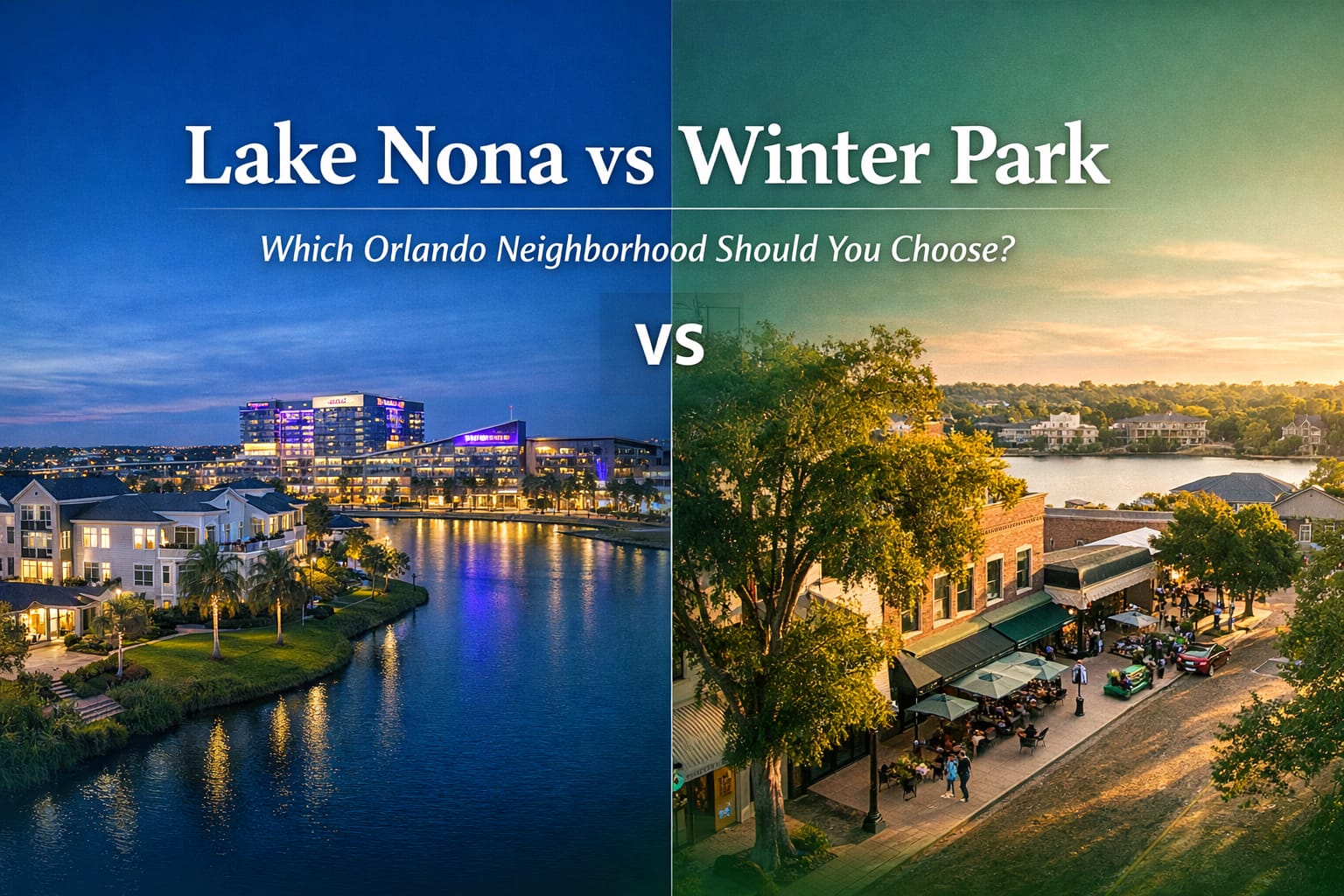
Best Suburbs of Orlando for Families

Best Suburbs of Orlando for Families

The best suburbs of Orlando for families include Lake Nona, Winter Park, Oviedo, Winter Garden, and Hunter’s Creek. These areas offer strong schools, safe communities, parks, and family-friendly amenities while still providing convenient access to Orlando’s job centers and attractions.

If you’re thinking about raising a family in Central Florida, choosing the right suburb matters more than anything else. As a local Orlando Realtor, I’ll tell you straight—some areas look great online but don’t deliver in real life. Let’s break down where families are actually moving, and why.

What Makes a Suburb Family-Friendly in Orlando?

Not all suburbs are created equal. When buyers ask me what really matters, I tell them to focus on these:

  • Top-rated schools and school zones
  • Low crime rates and safe neighborhoods
  • Access to parks, playgrounds, and outdoor space
  • Family-focused communities (HOAs, events, amenities)
  • Commute time to work and major highways
  • Home affordability and long-term value

For deeper insights on schools, check out our guide to top schools in Orlando.

Best Suburbs of Orlando for Families (Top Picks)

Lake Nona

Lake Nona is one of the fastest-growing areas in Orlando. It’s modern, clean, and built with families in mind.

  • New construction homes and master-planned communities
  • Top-rated schools and medical city jobs
  • Community events, parks, and trails

Browse Lake Nona homes

Winter Park

If you want charm, established neighborhoods, and top-tier schools, Winter Park is hard to beat.

  • Historic homes and tree-lined streets
  • Excellent schools and walkability
  • Strong resale value

Explore Winter Park

Oviedo

Oviedo consistently ranks as one of the safest areas in Central Florida.

  • Highly rated public schools
  • Suburban feel with newer developments
  • Close to UCF and tech jobs

Winter Garden

This area has exploded in popularity—and for good reason.

  • Family-friendly downtown and farmers markets
  • Great schools and community vibe
  • Easy access to Disney and major highways

Hunter’s Creek

A well-established community that still delivers strong value.

  • Affordable homes compared to newer areas
  • Community parks and recreation
  • Convenient location near everything

View Hunter’s Creek listings

Quick Comparison of Top Orlando Suburbs

Suburb Ideal para Rango de precios School Rating Commute
Lake Nona Obra nueva $450K–$900K+ High 15–25 mins
Winter Park Established luxury $500K–$1M+ High 10–20 mins
Oviedo Safety & schools $350K–$700K Very High 20–30 mins
Winter Garden Community lifestyle $400K–$800K High 20–30 mins
Hunter’s Creek Value & location $300K–$600K Good 15–25 mins

Pros and Cons of Living in Orlando Suburbs

Ventajas

  • More space and larger homes
  • Better schools than urban core
  • Safer, quieter communities
  • Family-oriented lifestyle

Contras

  • Longer commute times
  • HOA fees in many communities
  • Less nightlife and walkability

Common Mistakes Families Make When Choosing a Suburb

  • Choosing based only on price instead of school zones
  • Ignoring commute times during rush hour
  • Buying in overhyped areas without resale value
  • Not understanding HOA restrictions

Before you buy, check out our Orlando home buying guide.

How It Works in Orlando (Local Insight)

Here’s the reality—Orlando is growing fast. Areas like Lake Nona and Winter Garden are appreciating quickly, while established areas like Winter Park hold long-term value.

Inventory can be tight in the best school zones, so families often need to move fast when the right home hits the market.

If you’re relocating, our moving to Orlando guide will help you understand what to expect.

Step-by-Step: How to Choose the Right Suburb

  1. Define your budget and monthly payment
  2. Prioritize schools and commute
  3. Tour neighborhoods in person
  4. Compare home values and appreciation trends
  5. Work with a local expert who knows the market

External Resources

FAQs About the Best Suburbs of Orlando for Families

What is the safest suburb in Orlando for families?

Oviedo and Winter Garden are consistently ranked among the safest suburbs with strong community involvement.

Which Orlando suburb has the best schools?

Winter Park, Oviedo, and Lake Nona are known for top-rated public and private schools.

What is the most affordable family suburb near Orlando?

Hunter’s Creek and parts of Oviedo offer more affordable options while still providing good schools and amenities.

Is Lake Nona good for families?

Yes, it’s one of the top choices due to new homes, schools, and a strong community feel.

Where do most families move in Orlando?

Lake Nona, Winter Garden, and Oviedo are currently the most popular for relocation buyers.

Are Orlando suburbs good for long-term investment?

Yes—especially areas with strong schools and infrastructure growth.

How far are suburbs from Disney and downtown Orlando?

Most are within 15–30 minutes depending on traffic and location.

Do Orlando suburbs have HOA fees?

Many do, especially newer communities. Always review HOA rules before buying.

Is it better to live in Orlando or the suburbs?

For families, suburbs usually offer better schools, safety, and space.

Pensamientos finales

The best suburb for your family depends on your priorities—but if schools, safety, and lifestyle matter, the suburbs we covered here are where you should be looking.

Work With a Local Orlando Expert

If you’re thinking about buying in Orlando, don’t guess—get real guidance.

Orlando Realty Consultants
📞 407-902-7750
Serving Orlando, Florida
Se Habla Espanol

We help families find the right home, in the right neighborhood, at the right price.

Call today to start your home search.

¡Mantengámonos en contacto!

Nuevo cliente potencial de formulario ORC

"*" indica los campos obligatorios

Este campo es para fines de validación y debe dejarse sin cambios.
Trastorno obsesivo-compulsivo*

No HOA Homes in Orlando: What Buyers Need to Know

No HOA homes in Orlando are properties located outside homeowners associations, meaning owners typically avoid HOA fees and restrictive community rules. Buyers looking for more freedom, fewer monthly costs, and flexibility for things like RV parking or property modifications often seek homes without HOA restrictions.

Many homebuyers moving to Central Florida specifically search for no HOA homes in Orlando. While many newer developments include homeowners associations, there are still neighborhoods throughout the Orlando area where properties are not governed by HOA rules.

These homes offer flexibility that many buyers appreciate, especially if you want fewer restrictions on how you use your property.

What Is a No HOA Home?

A no HOA home simply means the property is not located within a homeowners association. This means the homeowner is not required to follow HOA community rules or pay monthly association fees.

In Orlando, many older neighborhoods and rural areas were developed before HOAs became common, which is why you’ll still find homes without these restrictions.

Benefits of Buying a No HOA Home in Orlando

  • No monthly HOA fees
  • More freedom to customize your property
  • Ability to park boats, trailers, or RVs
  • Fewer community restrictions
  • Often larger lots or older established neighborhoods

Many buyers prefer these properties because they offer flexibility and potentially lower monthly housing costs.

Potential Downsides of Homes Without HOA

While no HOA homes offer freedom, there are also some trade-offs to consider.

  • No community maintenance standards
  • Neighbor property upkeep may vary
  • Fewer shared amenities like pools or parks
  • Potential zoning restrictions instead of HOA rules

Understanding these trade-offs can help buyers decide whether a home without HOA restrictions fits their lifestyle.

Where to Find No HOA Homes in Orlando

Several areas around Orlando offer properties without homeowners associations. These are often older neighborhoods or areas just outside master-planned communities.

Area Typical Property Type Why Buyers Like It
East Orlando Older single-family homes Established neighborhoods
Apopka Larger lots More rural feel
Winter Garden Mixed communities Close to downtown and attractions
St. Cloud Affordable homes More properties without HOA

Each neighborhood has its own advantages depending on commute, schools, and lifestyle.

How to Find Homes Without HOA in Orlando

If you’re searching for Orlando homes without HOA, there are several strategies that can help.

  • Work with a local Realtor familiar with non-HOA neighborhoods
  • Search MLS filters specifically for no HOA properties
  • Explore older communities built before 1990
  • Look outside master-planned developments

Many buyers relocating to Florida are surprised by how many neighborhoods still offer this option.

Errores comunes que cometen los compradores

  • Assuming no HOA means no restrictions at all
  • Ignoring local city zoning rules
  • Not researching property maintenance standards
  • Overlooking resale value considerations

Even without an HOA, city and county regulations may still apply.

Cómo funciona en Orlando

In the Orlando real estate market, many newer communities include HOA associations. However, buyers who prefer more flexibility can still find homes without HOA restrictions in several parts of Central Florida.

These homes are often attractive to:

  • Investors
  • Vacation rental buyers
  • Homeowners with RVs or boats
  • Buyers who want fewer restrictions

If you’re considering comprar una casa en Orlando, exploring both HOA and non-HOA communities can give you more options.

Pros vs Cons of No HOA Homes

Ventajas Contras
No HOA fees No community standards enforcement
More property freedom Less uniform neighborhood appearance
Parking flexibility Fewer amenities

FAQ: No HOA Homes Orlando

Are there many no HOA homes in Orlando?

Yes. While many newer communities have HOAs, several neighborhoods throughout Central Florida still offer homes without HOA restrictions.

Are homes without HOA cheaper?

Sometimes. Buyers save on monthly HOA fees, but home prices depend more on location, size, and demand.

Can you park an RV at a no HOA home?

Often yes, but local city ordinances may still apply.

Are no HOA homes good investments?

They can be attractive to buyers who want fewer restrictions, which can increase demand in certain markets.

Do no HOA homes have restrictions?

Yes. Local zoning laws and city regulations still apply even if there is no HOA.

Are older homes more likely to have no HOA?

Yes. Many older Orlando neighborhoods were developed before HOA communities became common.

Can investors buy no HOA homes?

Yes. Investors often prefer these properties because there may be fewer rental restrictions.

How do I find homes without HOA in Orlando?

The easiest way is to work with a local Realtor who can search MLS listings specifically for no HOA properties.

Trabaje con Orlando Realty Consultants

If you’re searching for no HOA homes in Orlando, working with a local expert can help you find the right property faster.

Orlando Realty Consultants helps buyers, sellers, and investors throughout Central Florida navigate the local real estate market.

Call or text 407-902-7750 if you’re planning to buy or sell in the Orlando area.

Se Habla Español.

For more tips, read our guide on principales señales de alerta al comprar una casa.

¡Mantengámonos en contacto!

Nuevo cliente potencial de formulario ORC

"*" indica los campos obligatorios

Este campo es para fines de validación y debe dejarse sin cambios.
Trastorno obsesivo-compulsivo*

What Buyers Look for When Touring Homes in Orlando

Buyers touring homes in Orlando focus on layout, condition, upgrades, location, and overall value. They pay close attention to kitchens, bathrooms, storage, natural light, and signs of maintenance issues. First impressions matter, and homes that feel clean, updated, and move-in ready tend to attract stronger offers faster.

If you’re selling your home in Orlando, here’s the reality—buyers are walking into your property already comparing it to 5–10 others they’ve seen online. You’ve got seconds to make an impression, and what they notice can make or break your sale.

What Buyers Really Look for During Home Tours

1. First Impressions Matter More Than You Think

Before buyers even step inside, they’re already judging the home. Curb appeal sets the tone.

  • Landscaping condition
  • Exterior paint and roof condition
  • Driveway and entryway cleanliness

If the outside looks neglected, buyers assume the inside is too.

2. Layout and Flow of the Home

Buyers in Orlando prefer open floor plans, especially for entertaining and family living. They’re asking themselves:

  • Does the layout make sense?
  • Is there enough space for my lifestyle?
  • Are bedrooms separated for privacy?

3. Kitchen and Bathrooms Sell Homes

This is where buyers focus heavily. Updated kitchens and bathrooms can make or break a deal.

  • Modern cabinets and countertops
  • Updated appliances
  • Clean, functional bathrooms

Want to understand value better? Check out this guide on ROI.

4. Condition and Maintenance

Buyers are always looking for red flags. Even small issues raise concerns.

  • Estado del techo
  • HVAC age
  • Signs of water damage
  • Cracks in walls or ceilings

Learn more about potential issues here: Top red flags when buying a home.

5. Natural Light and Overall Feel

Bright homes feel bigger and more inviting. Buyers love:

  • Large windows
  • Open spaces
  • Clean and decluttered interiors

6. Storage Space

This is one most sellers overlook. Buyers are opening closets, cabinets, and garages.

Buyer Priorities Breakdown

Feature Importance Level What Buyers Want
Kitchen High Updated, modern, functional
Bathrooms High Clean, updated fixtures
Layout High Open, practical flow
Condition Very High Well-maintained, no major repairs
Location Critical Close to work, schools, attractions

Practical Checklist: How Buyers Evaluate Your Home

  • Does the home feel clean and move-in ready?
  • Are there any visible repairs needed?
  • Does the price match the condition?
  • How does it compare to other homes nearby?
  • Is the neighborhood appealing?

Common Mistakes Sellers Make

  • Overpricing the home
  • Ignoring small repairs
  • Poor staging or clutter
  • Strong odors (pets, smoke, etc.)
  • Not preparing for showings

If you’re thinking about selling, read: Selling a home in Orlando tips

How It Works in Orlando Specifically

Orlando buyers are unique. You’re dealing with:

  • Out-of-state relocation buyers
  • Investors looking for rental potential
  • Families prioritizing schools and commute

Location plays a major role. Areas near Winter Park or Lake Nona often attract higher demand.

Also, buyers will often verify property details through the Tasador de Propiedades del Condado de Orange.

Pros and Cons From a Buyer’s Perspective

Pros Buyers Look For

  • Move-in ready homes
  • Updated interiors
  • Good location
  • Competitive pricing

Cons That Turn Buyers Away

  • Outdated interiors
  • Deferred maintenance
  • Poor layout
  • Overpriced listings

Final Thoughts: What Sellers Need to Do Next

Here’s the truth—buyers aren’t just buying a house, they’re buying a feeling. If your home doesn’t stand out, it gets skipped.

The good news? Most of these issues are fixable.

Ready to Sell Your Home in Orlando?

En Orlando Realty Consultants, we help sellers position their homes the right way to attract serious buyers and maximize value.

  • Expert pricing strategy
  • Professional marketing
  • Local Orlando market knowledge
  • 20+ years of experience

📞 Call or text: 407-902-7750
📍 Serving Orlando, Florida
💬 Se Habla Español

FAQs: What Buyers Look for When Touring Homes in Orlando

What do buyers notice first when touring a home?

Buyers immediately notice curb appeal, cleanliness, and overall condition before anything else.

Do buyers care more about upgrades or price?

Both matter, but buyers expect the condition of the home to match the price.

How important is staging in Orlando?

Very important. Staged homes often sell faster and for more money.

What rooms matter most to buyers?

Kitchens and bathrooms are the most critical areas buyers evaluate.

Do buyers look at storage space?

Yes, closets, garages, and cabinets are all inspected closely.

What turns buyers off immediately?

Bad odors, clutter, visible damage, and poor maintenance.

How do buyers compare homes?

They compare condition, price, location, and upgrades with similar homes nearby.

Is location more important than the home itself?

Location is one of the biggest factors, especially in Orlando.

Should I fix everything before listing?

You don’t need to fix everything, but major issues should be addressed.

How can I prepare my home for showings?

Clean, declutter, make minor repairs, and create a welcoming environment.

¡Mantengámonos en contacto!

Nuevo cliente potencial de formulario ORC

"*" indica los campos obligatorios

Este campo es para fines de validación y debe dejarse sin cambios.
Trastorno obsesivo-compulsivo*

Golf Course Homes in Orlando

Golf course homes in Orlando are residential properties located within or adjacent to golf communities, often offering scenic fairway views, gated neighborhoods, and resort-style amenities. Popular Orlando golf communities include Lake Nona, Reunion Resort, and Eagle Creek, with home prices ranging from the mid $400,000s to multi-million dollar luxury estates.

Orlando is known for world-class golf, sunshine year-round, and beautiful master-planned communities. For buyers who love the game—or simply enjoy the views and lifestyle—golf course homes in Orlando offer a unique blend of luxury, recreation, and real estate value.

Whether you’re looking for a full-time residence, a vacation home, or an investment property, Orlando offers some of the best golf course communities in Florida.

Orlando golf course home overlooking fairway

Why Buyers Love Golf Course Homes in Orlando

Golf communities combine lifestyle and real estate in a way few neighborhoods can match.

  • Scenic fairway and lake views
  • Resort-style amenities
  • Clubhouses and restaurants
  • Gated security
  • Tennis, fitness centers, and pools
  • High resale value

Many buyers who search for Orlando golf course homes for sale are attracted to the peaceful setting and upscale feel of these neighborhoods.

Top Golf Course Communities in Orlando

Orlando has dozens of golf communities, but several stand out because of location, amenities, and property value.

Comunidad Location Rango de precios Highlights
Lake Nona Golf & Country Club Lake Nona $1M – $8M+ Luxury homes, private championship course
Reunion Resort Near Disney $500K – $3M+ Vacation homes and resort golf
Eagle Creek Lake Nona area $450K – $1M+ Gated community and championship golf
Stoneybrook East East Orlando $400K – $800K Family friendly golf community
Providence Davenport $350K – $900K Affordable golf course living

Types of Golf Course Homes Available

Orlando offers a wide range of properties inside golf communities.

  • Luxury estates on championship courses
  • Single-family homes overlooking fairways
  • Townhomes and villas
  • Vacation homes in resort communities
  • Custom homes in gated golf neighborhoods

Many buyers searching for homes on golf courses in Orlando Florida are surprised by the variety of price points available.

Pros and Cons of Living on a Golf Course

Ventajas

  • Beautiful views and open green space
  • Quiet neighborhoods
  • Prestige and strong property values
  • Access to club amenities

Potential Downsides

  • Higher HOA fees in some communities
  • Golf balls occasionally landing near property
  • Membership fees for private clubs

How Buying a Golf Course Home Works

If you’re planning to buy a golf property in Orlando, here are a few steps to follow.

  1. Define your price range and financing
  2. Choose preferred golf communities
  3. Tour homes and compare locations
  4. Evaluate HOA rules and golf memberships
  5. Make an offer and begin inspections

Nuestro Orlando home buying guide can also help you prepare for the purchase process.

Errores comunes que cometen los compradores

  • Not understanding HOA rules
  • Assuming golf membership is included
  • Ignoring property orientation to the course
  • Overlooking community rental restrictions

Working with a local real estate professional can help you avoid these mistakes.

How Golf Course Living Works in Orlando

Central Florida has one of the highest concentrations of golf courses in the United States.

Because of this, buyers have a large selection of golf communities near major areas such as:

  • Lake Nona
  • Windermere
  • Winter Garden
  • ChampionsGate
  • Reunion Resort

Many buyers who are moving to Orlando Florida specifically search for homes inside golf communities for the lifestyle and amenities.

FAQ: Golf Course Homes Orlando

Are golf course homes in Orlando expensive?

Prices vary widely depending on the community. Entry-level golf community homes can start around $350,000 while luxury estates may exceed $5 million.

Do golf communities require memberships?

Some communities require memberships while others offer optional access to golf facilities.

Are golf course homes a good investment?

Golf properties often maintain strong resale value due to limited supply and desirable locations.

Can you rent out golf course homes in Orlando?

Some communities allow short-term rentals while others restrict them. Always check HOA rules before purchasing.

Which Orlando areas have the best golf communities?

Lake Nona, Windermere, Reunion Resort, and ChampionsGate are among the most popular areas.

Do golf course homes have higher HOA fees?

They can. Fees vary depending on amenities like clubhouses, security, and golf course maintenance.

Are golf communities gated?

Many Orlando golf communities are gated for security and privacy.

Do golf homes have better views?

Yes. Homes located on fairways often have scenic views of greens, lakes, and landscaped open space.

Trabaje con Orlando Realty Consultants

If you’re considering buying a golf course home in Orlando, working with a local expert can make the process much easier.

Orlando Realty Consultants helps buyers find the best golf communities in Central Florida while avoiding costly mistakes.

Call or text 407-902-7750 to schedule a consultation and start exploring Orlando golf course homes today.

We proudly serve buyers and sellers throughout the Orlando area and Se Habla Español.

¡Mantengámonos en contacto!

Nuevo cliente potencial de formulario ORC

"*" indica los campos obligatorios

Este campo es para fines de validación y debe dejarse sin cambios.
Trastorno obsesivo-compulsivo*

¿Qué pasa después de firmar un contrato en Florida?

¿Qué pasa después de firmar un contrato en Florida?

Respuesta rápida: Después de que una casa pasa por contrato en Florida, el comprador y el vendedor avanzan a través de varios pasos clave antes del cierre. Estos incluyen depositar el dinero de garantía, completar las inspecciones, asegurar el financiamiento, solicitar una tasación, realizar búsquedas de títulos y llevar a cabo una inspección final antes de que la propiedad transfiera oficialmente la propiedad.

Entrar en contrato es un hito importante en una transacción de bienes raíces. Significa que el comprador y el vendedor han acordado los términos, pero la venta aún no es definitiva. En la Florida —y especialmente en mercados competitivos como Orlando—, deben ocurrir varios pasos importantes entre la firma del contrato y el cierre.

El proceso inmobiliario en Florida después de firmar un contrato

Una vez que una propiedad está bajo contrato, la transacción pasa a lo que a menudo se denomina periodo de fideicomiso. Aquí es cuando se deben cumplir todas las condiciones del contrato antes de que se pueda cerrar la venta.

Paso Qué sucede Cronograma típico
Depósito de garantía El comprador deposita los fondos en garantía 1 a 3 días
Periodo de inspección Inspección de la vivienda y negociaciones 7 a 15 días
Aprobación de préstamo Evaluación y aprobación de hipotecas 2 a 4 semanas
Tasación El prestamista verifica el valor de la propiedad 1–2 semanas
Búsqueda de títulos La compañía de títulos confirma la titularidad libre de gravámenes 1–2 semanas
Recorrido final El comprador verifica la condición de la casa 1 a 2 días antes del cierre
Día de cierre La propiedad se transfiere al comprador 30 a 45 días típico

Paso a paso: Qué sucede después de que una casa está bajo contrato

1. Depósito de garantía

El comprador entrega un depósito de garantía a la compañía de custodia o de títulos. Este depósito demuestra la seria intención de comprar la vivienda y por lo general se acredita hacia los costos de cierre.

2. Periodo de inspección

La mayoría de los contratos en la Florida incluyen una contingencia de inspección de la vivienda. Durante este tiempo, el comprador contrata inspectores para evaluar la propiedad.

Las inspecciones pueden incluir:

  • Inspección general de la vivienda
  • Inspección de techos
  • Inspección de termitas o plagas
  • Inspección de moho
  • Evaluación de HVAC

Si se descubren problemas, los compradores pueden negociar reparaciones o créditos con el vendedor.

3. Procesamiento de préstamos hipotecarios

Si el comprador está financiando la compra, el prestamista comienza la subscripción del préstamo. El prestamista verifica:

  • Ingresos y empleo
  • Historial crediticio
  • Relación deuda-ingreso
  • Estados de cuenta

Este suele ser el paso más largo del proceso.

4. Evaluación

El prestamista solicita unavalúo para confirmar que el valor de la vivienda coincide con el monto del préstamo. Si el avalúo resulta ser más bajo de lo esperado, es posible que se requieran negociaciones.

5. Búsqueda de títulos y seguro

Una compañía de títulos de la Florida realiza una búsqueda de títulos para garantizar que no existan embargos preventivos, reclamaciones legales ni disputas de propiedad vinculadas a la propiedad.

Puede obtener más información sobre el seguro de título en Asociación Americana de Títulos de Propiedad.

6. Recorrido final

El comprador realiza una inspección final poco antes del cierre para asegurarse de que la propiedad esté en las condiciones acordadas.

7. Día de cierre

El día del cierre, ambas partes firman los documentos, se transfieren los fondos y la propiedad cambia oficialmente de manos.

Errores comunes que retrasan los cierres

  • Compradores que abren nuevas cuentas de crédito durante la suscripción
  • Documentación financiera faltante
  • Elavalúo sale por debajo del precio del contrato
  • Problemas de títulos descubiertos durante la búsqueda de títulos
  • Las negociaciones de inspección están tardando más de lo esperado

Estos problemas pueden retrasar las fechas de cierre si no se resuelven rápidamente.

Pros y contras de firmar un contrato

Ventajas

  • La casa está reservada para el comprador
  • Las negociaciones han finalizado
  • Ambas partes avanzan hacia el cierre

Riesgos potenciales

  • Sorpresas de la inspección
  • Desafíos de financiamiento
  • Problemas de tasación

Cómo funciona el proceso en Orlando

Los pasos posteriores a la firma del contrato son generalmente los mismos en toda Florida, pero algunos factores locales pueden influir en el cronograma en el mercado de Orlando.

  • Revisiones de documentos de la HOA
  • Restricciones de alquileres vacacionales cerca de Disney
  • Alta actividad de inversionistas
  • Barrios de rápido crecimiento como Lake Nona o Winter Garden

Si estás planeando comprar una casa en Orlando, Florida, trabajar con un experto local puede ayudar a evitar retrasos y mantener la transacción en marcha.

Lista de verificación para compradores después de firmar el contrato

  • Entregar el depósito de garantía
  • Programar inspecciones
  • Proveer documentos al prestamista
  • Revisar el compromiso de seguro de título
  • Asegurar el seguro de propietario de vivienda
  • Programar la inspección final
  • Preparar los fondos para el cierre

Preguntas frecuentes: ¿Qué pasa después de firmar un contrato en Florida?

¿Cuánto tiempo pasa desde la firma del contrato hasta el cierre en Florida?

La mayoría de las transacciones de bienes raíces en Florida se cierran entre 30 y 45 días después de que se firma el contrato.

¿Puede un vendedor echarse atrás después de firmar un contrato?

Por lo general no, a menos que contingencias específicas lo permitan.

¿Cuál es el período de inspección en Florida?

El periodo de inspección suele ser de 7 a 15 días, según los términos del contrato.

¿Quién retiene el depósito de garantía?

El depósito normalmente lo retiene una compañía de títulos o una agencia inmobiliaria que actúa como fideicomisario.

¿Qué pasa si la tasación es baja?

El comprador y el vendedor pueden renegociar el precio o el comprador puede cubrir la diferencia.

¿Asisten los compradores al cierre en Florida?

Muchos cierres ahora se pueden completar de forma remota con documentos electrónicos o por correo.

¿Qué pasa si un comprador incumple los plazos del contrato?

Faltar a los plazos puede poner en riesgo la pérdida del contrato o del depósito de garantía.

¿Cuándo reciben las llaves los compradores?

En la mayoría de las transacciones en Florida, los compradores reciben las llaves el día del cierre.

Trabaje con Orlando Realty Consultants

Navegar el período posterior a la firma del contrato puede sentirse abrumador, especialmente para los compradores primerizos. Un agente inmobiliario con experiencia ayuda a coordinar las inspecciones, el financiamiento, los trámites de título y el cierre para mantener la transacción en marcha.

Orlando Realty Consultants ayuda a compradores, vendedores e inversionistas en toda la Florida Central a navegar con éxito cada etapa del proceso inmobiliario.

Si planeas comprar o vender en Orlando, llama o envía un mensaje de texto 407-902-7750. Atendemos con orgullo el área de Orlando y Se Habla Español.

Para obtener más consejos útiles, lea nuestra guía sobre principales señales de alerta al comprar una casa.

¡Mantengámonos en contacto!

Nuevo cliente potencial de formulario ORC

"*" indica los campos obligatorios

Este campo es para fines de validación y debe dejarse sin cambios.
Trastorno obsesivo-compulsivo*