How to Navigate the Orlando Housing Market Like a Pro

Orlando isn’t just the home of Mickey Mouse, roller coasters, and year-round sunshine—it’s also one of the most dynamic housing markets in Florida. Every year, thousands of new residents pack up and move here, drawn by job opportunities, warm weather, and the allure of never being far from world-class entertainment. But while all of that makes Orlando an exciting place to live, it also makes buying or selling a home here more competitive than in many other U.S. cities.

That’s where strategy comes in. Navigating the Orlando housing market is a lot like navigating I-4 during rush hour—it can be chaotic, but if you know the shortcuts and the right exits, you’ll reach your destination faster and with less stress. As a local Orlando realtor, I’ve helped countless clients buy, sell, and invest in this market, and I’m here to share the insider strategies that can help you do the same—like a pro.


Understanding Orlando’s Housing Market Dynamics

What sets Orlando apart from other housing markets is its unique blend of demand drivers.

  • Population Growth: Orlando consistently ranks as one of the fastest-growing metro areas in the country. Young professionals, families, and retirees alike are choosing Central Florida thanks to its mix of affordability (compared to coastal Florida cities), business growth, and lifestyle appeal.
  • Job Opportunities: Beyond tourism, Orlando has a booming tech, aerospace, and healthcare sector. Companies like Lockheed Martin, AdventHealth, and the growing Medical City in Lake Nona are bringing high-paying jobs to the area.
  • Tourism-Driven Demand: Let’s not forget Disney, Universal, SeaWorld, and the convention center. Vacation rentals are hot commodities here, especially in areas like Kissimmee and Davenport, where short-term rental zoning is allowed.
  • Year-Round Market: Unlike northern states where the housing market slows in the winter, Orlando’s market is busy all year thanks to the constant influx of new residents.

This means that whether you’re buying or selling, you’re operating in a high-demand, competitive market. Understanding this dynamic is step one in navigating it like a pro.


Get Your Finances in Order First

If you’re buying, here’s the truth: your offer is only as strong as your financing. Sellers want certainty, and nothing gives them more peace of mind than knowing a buyer is pre-approved by a lender.

Why Pre-Approval Matters

  • It shows sellers you’re serious.
  • It gives you a realistic budget so you don’t waste time looking at homes you can’t afford.
  • It positions you ahead of buyers who are still “just browsing.”

In Orlando’s competitive market, I’ve seen homes go under contract in less than 48 hours. Buyers who are ready with pre-approval in hand have the upper hand every single time.

Local Lenders vs. Big Banks

Another pro tip: consider working with a local Orlando lender instead of a big national bank. Local lenders understand the market, can move faster on approvals, and often provide better communication throughout the process. That speed and personal touch can be the deciding factor when sellers are comparing offers.


Choosing the Right Orlando Neighborhood

Here’s where things get exciting: Orlando isn’t just one big neighborhood—it’s a patchwork of communities, each with its own vibe. Choosing the right area is just as important as choosing the right home.

Family-Friendly Neighborhoods

  • Winter Garden: Known for its charming downtown and great schools, Winter Garden is perfect for families who want suburban life with easy access to Orlando.
  • Oviedo: With top-rated schools and a community-oriented feel, Oviedo attracts families who want safety and strong property values.
  • Lake Nona: Dubbed “Medical City,” Lake Nona blends family living with innovation. It’s modern, clean, and has great amenities.

Upscale Living

  • Windermere: Think luxury homes, golf courses, and lakefront properties. It’s the choice for executives and professionals.
  • Winter Park: Historic charm, cobblestone streets, boutique shopping, and upscale dining. It’s artsy and refined.
  • Baldwin Park: A master-planned community with parks, trails, and a small-town feel. Very walkable and community-focused.

Affordable Starter Home Areas

  • Kissimmee: Popular for both first-time buyers and investors, especially near Disney. Offers condos, townhomes, and single-family homes.
  • East Orlando: Close to UCF, this area offers affordable options and appeals to young professionals and students.

Your lifestyle should guide your neighborhood choice. Do you want nightlife and walkability? Go for Downtown Orlando or Baldwin Park. Want great schools and parks? Head to Winter Garden or Oviedo.


The Power of Local Expertise vs. Online Searches

It’s 2025, and yes, online real estate platforms are everywhere. You can browse photos, check out school ratings, and even do virtual tours. But here’s the problem: online listings don’t tell you the full story.

What Online Searches Miss

  • That “beautiful lake view” might also mean higher flood insurance.
  • A “quiet neighborhood” could back up to a busy highway.
  • HOA restrictions could prevent you from renting out your property or even parking your truck in the driveway.

Why a Local Realtor Matters

When you work with a realtor who actually lives and breathes Orlando, you get insider knowledge. We know which areas are up-and-coming, which schools are truly the best, where traffic is worst at rush hour, and which builders have the best reputation.

Buying or selling a home isn’t just about the four walls—it’s about the community and lifestyle you’re buying into. And that’s where local expertise makes all the difference.


Tips for Buyers: Competing in a Hot Market

Buying a home in Orlando isn’t for the faint of heart. Properties that are priced right often attract multiple offers within days of hitting the market. But don’t worry—just because it’s competitive doesn’t mean you can’t win. You just need the right approach.

Act Fast Without Rushing

When you find a home you love, schedule a showing immediately. Waiting a week could mean it’s already gone. That said, don’t let urgency push you into a hasty decision. A skilled realtor helps you move quickly while still making sure the property checks all the right boxes.

Craft a Strong Offer

Here’s where strategy comes in. A “strong offer” doesn’t always mean offering the most money—it means creating an offer that’s attractive to the seller. That could include:

  • Being flexible with the closing date.
  • Offering a larger earnest money deposit.
  • Minimizing contingencies without giving up important protections.

Sometimes a heartfelt personal letter to the seller can also make a difference. Many sellers want to know their home will be loved and appreciated by the next owner.

Be Ready for Competition

In Orlando, it’s common to see bidding wars. Having a pre-approval letter, being decisive, and trusting your realtor’s advice can make the difference between securing your dream home or losing it to another buyer.


Tips for Sellers: Standing Out in a Crowded Market

Yes, Orlando’s housing market favors sellers—but that doesn’t mean you can just slap a “For Sale” sign in the yard and expect top dollar. To really maximize your profit, you need a strategy.

Price It Right

Overpricing is one of the biggest mistakes sellers make. Buyers are savvy, and with so much competition, an overpriced home will sit on the market while others around it sell. Pricing competitively from the start often attracts more offers and can even spark a bidding war.

Stage Like a Pro

First impressions matter. Declutter, depersonalize, and highlight your home’s best features. Simple touches like fresh paint, good lighting, and neutral décor can go a long way. Staged homes consistently sell faster and for more money.

Market Aggressively

The days of just listing your home on the MLS are gone. Successful sales require:

  • Professional photography and video tours
  • Social media promotion
  • Targeted ads to reach relocation buyers moving to Orlando
  • Open houses to get maximum visibility

The sellers who invest in marketing reap the biggest rewards.


Orlando Real Estate Investment Opportunities

For investors, Orlando is one of the most exciting markets in the country. With its blend of tourism, population growth, and affordability (compared to Miami or Tampa), the opportunities are endless.

Vacation Rentals

Areas near Disney, Universal, and International Drive are goldmines for short-term rentals. Communities in Kissimmee, Davenport, and ChampionsGate are especially popular with investors. Homes in these areas often come with resort-style amenities that appeal to vacationers.

Long-Term Rentals

Neighborhoods like East Orlando (near UCF), Lake Nona, and Winter Garden are excellent for long-term rentals. With strong job growth and a steady flow of new residents, demand for rental properties remains high.

Commercial Real Estate

Orlando’s business sector is booming. From new medical facilities in Lake Nona to tech hubs near downtown, commercial properties are attracting investors who want to diversify their portfolios.

For those looking to grow wealth through real estate, Orlando is more than just Mickey Mouse—it’s a serious investment playground.


Common Mistakes Buyers & Sellers Make in Orlando

No matter how hot the market is, mistakes can cost you time and money. Here are some of the most common ones I see—and how to avoid them.

For Buyers:

  • Not Getting Pre-Approved: This is the number one mistake. Without pre-approval, sellers won’t take you seriously.
  • Falling in Love Too Quickly: Don’t let emotions cloud your judgment. Always look at the property’s condition, neighborhood, and resale potential.
  • Ignoring Hidden Costs: Property taxes, HOA fees, flood insurance, and maintenance costs add up. Always budget beyond the purchase price.

For Sellers:

  • Overpricing the Home: It almost always backfires. A competitively priced home sells faster and often nets more.
  • Skipping Repairs: Small fixes like leaky faucets or chipped paint can turn buyers off. A little effort goes a long way.
  • Bad Photos: Most buyers find homes online first. Poor-quality photos can kill interest before they even step inside.

Learning from these common mistakes will save you stress—and money.


The Role of Timing in Orlando Real Estate

You’ve probably heard the phrase “timing is everything,” and in real estate, that couldn’t be more true.

Seasonal Trends

Unlike northern markets that slow down in winter, Orlando’s housing market stays active year-round thanks to steady relocation and tourism. That said, spring and summer still see the most activity, especially for families wanting to move before a new school year.

Interest Rates

Mortgage rates play a huge role in affordability. When rates drop, more buyers flood the market, driving up competition. When rates rise, buyers can lose purchasing power. Staying on top of rate changes with your lender is critical.

When to Sell

If you’re a seller, listing during peak moving seasons (spring and summer) usually brings the most buyer activity. But in a market like Orlando’s, where demand is strong year-round, there’s rarely a “bad” time to sell.

For buyers and sellers alike, understanding timing helps you make smarter, more profitable decisions.

Awesome! Let’s continue with Step 3 (Sections 11–15) of our long-form article. This section will cover navigating offers, relocation buyers, choosing the right realtor, final thoughts, and FAQs.


Navigating Orlando’s Competitive Offers

If there’s one word that defines the Orlando housing market, it’s competition. Buyers often find themselves up against multiple offers, and sellers have to sift through stacks of contracts to choose the best one. Knowing how to navigate this stage is where real estate truly becomes a strategy game.

How Bidding Wars Work

In hot Orlando neighborhoods—think Lake Nona, Winter Park, or Windermere—it’s common for homes to receive 5–10 offers within days of hitting the market. Buyers may offer above asking price, waive certain contingencies, or sweeten the deal in other ways. Sellers, on the other hand, must look beyond just the price tag and consider factors like financing strength, contingencies, and closing timelines.

Creative Buyer Strategies

Here are some ways buyers can stand out without always offering the highest price:

  • Escalation Clauses: This allows your offer to automatically increase if another buyer submits a higher bid (up to your max budget).
  • Flexible Closing Dates: If a seller needs more time before moving out, being flexible can make your offer more appealing.
  • Higher Earnest Money Deposit: This shows you’re serious and willing to put more money on the line.
  • Personal Letters: Believe it or not, sellers often care about who’s moving into their home. A heartfelt letter can sometimes tip the scales.

Sellers’ Perspective

While sellers may be tempted to simply take the highest offer, the strongest offer isn’t always the one with the biggest number. A cash offer with fewer contingencies might be safer than a higher offer that depends on financing. Working with a realtor helps sellers analyze which offer gives them the most certainty.


Why Relocation Buyers Love Orlando

Every year, thousands of people relocate to Orlando from all over the U.S.—and even internationally. Why? Because Orlando offers a lifestyle that’s hard to match.

Florida’s Tax Benefits

One of the biggest draws is no state income tax. This instantly makes Florida, and especially Orlando, more appealing for professionals, retirees, and business owners alike. Lower taxes mean more money for housing, lifestyle, and investments.

Quality of Life

Orlando combines urban convenience with suburban charm. You’ve got professional sports teams, concerts, art galleries, and world-class dining alongside peaceful lakes, golf courses, and family-friendly neighborhoods. Plus, sunshine 230+ days a year doesn’t hurt.

Job Growth & Opportunities

Relocation buyers are also attracted to Orlando’s economic diversity. Beyond tourism, industries like healthcare, aerospace, simulation technology, and education provide stable, high-paying jobs. Lake Nona’s Medical City and the UCF area are two prime examples of Orlando’s growing economic footprint.

Lifestyle Choices for Everyone

  • Retirees love 55+ communities in places like Clermont and Kissimmee.
  • Young professionals flock to Downtown Orlando, Baldwin Park, and Lake Nona.
  • Families settle in Winter Garden, Oviedo, and Windermere.

Orlando isn’t just a tourist destination—it’s a place where people from all walks of life can build a future.


Working with the Right Realtor

Whether you’re buying or selling, having the right realtor by your side isn’t optional—it’s essential. Orlando’s housing market moves fast, and without expert guidance, it’s easy to make costly mistakes.

What to Look For in a Realtor

  • Local Knowledge: They should know the ins and outs of Orlando’s neighborhoods.
  • Strong Communication: You need someone who’s available, responsive, and proactive.
  • Proven Track Record: Check reviews, testimonials, and past sales.
  • Negotiation Skills: A good realtor knows how to win in bidding wars and protect your interests.

Questions to Ask Before Hiring

  1. How long have you worked in the Orlando market?
  2. Which neighborhoods do you specialize in?
  3. What’s your strategy for helping buyers win offers in a competitive market?
  4. How will you market my home if I’m selling?

Building a Relationship

The best realtor isn’t just someone who closes one deal for you—they’re a long-term partner. Many of my clients return years later when they’re ready to upsize, downsize, or invest. Building trust and communication ensures you always have a guide for future real estate moves.


Pensamientos finales

Navigating Orlando’s housing market is like riding Space Mountain—you can’t always see what’s ahead, but with the right guide, you’ll enjoy the ride and end up exactly where you want to be.

Whether you’re a first-time buyer looking for a starter home, a seller ready to cash in on Orlando’s hot market, or an investor searching for opportunities near Disney, the key is preparation, strategy, and local expertise.

Orlando is more than just theme parks and sunshine—it’s a city full of diverse neighborhoods, economic opportunities, and real estate potential. With the right mindset and a trusted realtor by your side, you really can navigate this market like a pro.


Preguntas Frecuentes

1. Is Orlando still a good place to invest in real estate in 2025?
Yes! With strong population growth, a booming job market, and high tourism demand, Orlando remains one of the best places in Florida for both residential and investment properties.

2. What are the best neighborhoods for first-time homebuyers?
Areas like East Orlando, parts of Kissimmee, and some communities in Clermont offer more affordable entry points while still being close to major job centers.

3. How fast do homes sell in Orlando?
Well-priced homes in popular areas often sell within days. In many cases, multiple offers are common.

4. Should I wait for interest rates to drop before buying?
It depends on your situation. While lower rates increase affordability, waiting too long could mean higher home prices. The right time is when you’re financially ready.

5. Do I really need a realtor in Orlando?
Absolutely. The market is too competitive and complex to go it alone. A realtor provides local knowledge, negotiation skills, and guidance that online searches simply can’t replace. Call or text me at 407-902-7750 so we can chat. or visit https://orlandorealtyconsultants.com/

¡Mantengámonos en contacto!

Nuevo cliente potencial de formulario ORC

"*" indica los campos obligatorios

Este campo es para fines de validación y debe dejarse sin cambios.
Trastorno obsesivo-compulsivo*

How to Find the Best Deals on Orlando Foreclosure Homes: A Realtor’s Guide

Buying a foreclosure home in Orlando can be one of the smartest financial decisions you’ll ever make—if you know how to go about it the right way. As an Agente inmobiliario en Orlando who has worked with countless homebuyers and investors across Central Florida, I can tell you firsthand: foreclosures offer incredible potential, but they also come with some hidden challenges.

If you’re looking for insider tips to find the best deals on Orlando foreclosure homes without wasting your time or money, you’re in the right place. Let’s dive into how to approach this exciting niche in the real estate market with confidence.


Understand What a Foreclosure Home Is

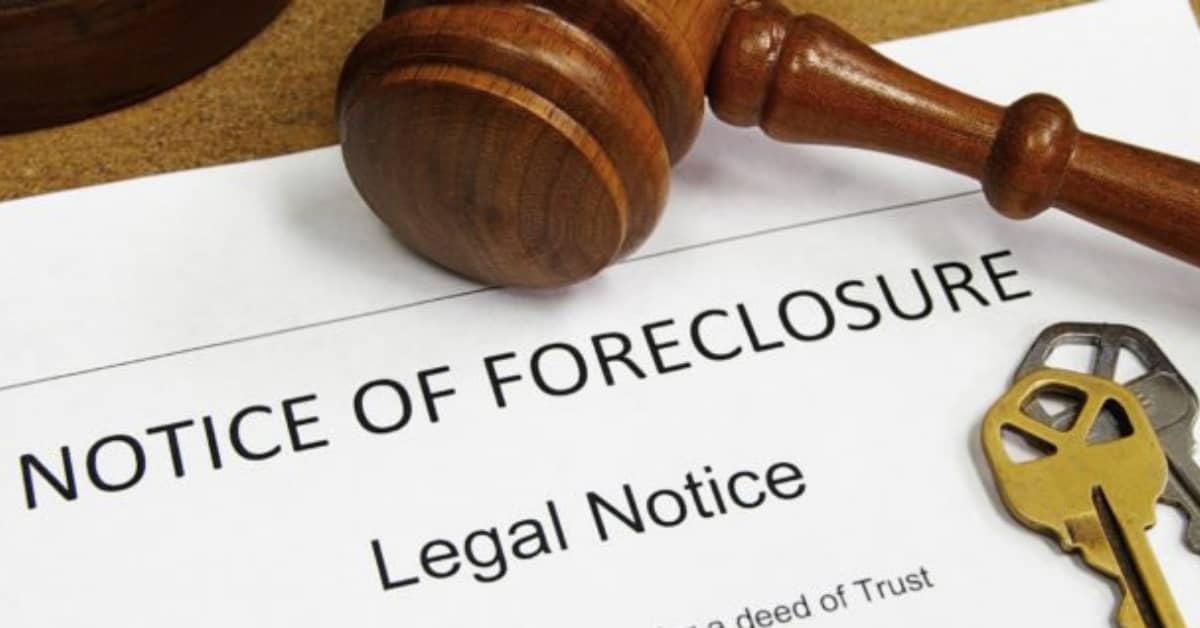
Before anything else, let’s get clear on what a foreclosure really is. A foreclosure occurs when a homeowner can no longer make their mortgage payments, and the lender takes back ownership of the home. The lender then tries to sell the home, usually at a discounted price, to recover their losses.

There are a few types of foreclosure properties:

  • Pre-foreclosures: Homeowners are behind on payments, but the home hasn’t been repossessed yet.
  • Auction properties: Homes sold at public auctions, often at the county courthouse.
  • REO (Real Estate Owned): These are bank-owned properties that didn’t sell at auction.

Each type comes with different pros, cons, and buying strategies. Understanding these categories can help you target the right kind of foreclosure that fits your needs and risk tolerance.


Why Orlando Is a Hot Spot for Foreclosures

Orlando isn’t just the theme park capital of the world—it’s also a hot market for real estate investors and savvy buyers. Why? The demand for homes is strong, but the market also sees cycles where some homeowners struggle to keep up with mortgage payments. That creates a steady stream of foreclosure opportunities.

Foreclosed homes in Orlando are often in suburban areas near schools, shopping centers, and major employers. Neighborhoods like Pine Hills, Azalea Park, and parts of East Orlando often feature foreclosures that can be rehabbed and turned into valuable investments or affordable dream homes.


How to Spot a Great Deal on a Foreclosed Property

Let’s be real: not every foreclosure is a great deal. Some properties are neglected, vandalized, or come with legal headaches. But with a keen eye and a good strategy, you can find diamonds in the rough.

Here’s what I recommend:

  1. Know Your Budget: This goes beyond just the sale price. Factor in repair costs, potential permits, property taxes, and closing costs.
  2. Look for “Hidden Potential”: The ugliest house on the block might have the highest upside if it’s structurally sound.
  3. Compare Sales in the Area: Look at the price per square foot of similar homes that have recently sold. This helps you determine whether the foreclosure is truly a bargain.
  4. Be Ready to Act Fast: The best deals don’t sit around. If you wait too long, another buyer or investor will snatch it up.

The Power of Working with a Realtor Who Knows Foreclosures

You wouldn’t go into a jungle without a guide, right? The same applies here. Foreclosures can be tricky, and you’ll want a realtor who understands the ins and outs of the process. That includes knowing which properties have clean titles, which ones might have liens, and how to deal with banks or auction procedures.

As a local realtor, one of my biggest advantages is access to . listings with foreclosure filters, insider connections with asset managers, and firsthand knowledge of the neighborhoods where these properties are located. I often know about deals before they hit public platforms, giving my clients a leg up on the competition.

Plus, I can help you navigate:

  • Bidding strategies
  • Inspection and appraisal tips
  • Making an offer that banks will actually accept
  • Securing financing or navigating cash deals

In short, having a knowledgeable realtor by your side is not just helpful—it’s essential.


Don’t Skip the Inspection (Even If the House Looks “Okay”)

This is one of the biggest rookie mistakes I see. Just because a home looks like it’s in decent shape doesn’t mean it’s structurally sound. Many foreclosures are sold “as-is,” meaning the bank won’t fix a thing. That could include mold, roof damage, plumbing issues, or even illegal additions.

Hire a licensed home inspector to check out the property before you buy. It might cost a few hundred bucks, but it could save you thousands in repairs—or help you walk away from a bad deal altogether.


Understand the Financing Side of Things

Foreclosures aren’t always easy to finance. Some lenders won’t approve a mortgage on a property that’s in poor condition. That’s why many foreclosure buyers use:

  • Cash: The fastest and simplest method, especially for auction properties.
  • Hard money loans: Short-term loans with high interest but fast approvals.
  • Renovation loans (like FHA 203k): These allow you to borrow money for both the purchase and repairs.

Talk to a lender who has experience with distressed properties. They’ll help you choose the best financing route for your situation.


Final Thoughts: Your Dream Deal Is Out There—If You Know Where to Look

Buying a foreclosure in Orlando can be an exciting journey, filled with potential for equity growth, rental income, or just a more affordable place to live. But it’s not without its bumps in the road.

Do your homework. Lean on a realtor who’s walked this path before. Stay alert and ready to move quickly when the right opportunity appears. If you follow these tips, you’ll be well on your way to scoring an incredible deal on a foreclosure home in the Sunshine State’s most vibrant city.

Want help finding the best deals? Let’s chat—I’d love to help you navigate the Orlando foreclosure market like a pro.

¡Mantengámonos en contacto!

Nuevo cliente potencial de formulario ORC

"*" indica los campos obligatorios

Este campo es para fines de validación y debe dejarse sin cambios.
Trastorno obsesivo-compulsivo*

Top Lenders for Short Sales and How to Work With Them

The 2025 Short Sale Landscape in Orlando

Navigating the Florida real estate market in 2025, especially in a vibrant city like Orlando, presents unique challenges and opportunities. As a seasoned short sale Realtor, I’ve witnessed firsthand the evolving dynamics of the housing market. With rising interest rates and fluctuating property values, many homeowners find themselves in situations where selling their homes for less than the owed mortgage—known as a short sale—becomes a viable option. Understanding the top lenders facilitating these transactions and how to effectively work with them is crucial for both homeowners and real estate professionals.


Understanding Short Sales: A Brief Overview

A short sale occurs when a homeowner sells their property for less than the outstanding mortgage balance, with the lender’s approval. This process can be a lifeline for homeowners facing financial hardship, offering an alternative to foreclosure. However, it’s essential to recognize that short sales are complex transactions involving multiple stakeholders, including lenders, borrowers, and potential buyers.


Top Lenders Facilitating Short Sales in 2025

In 2025, several lenders have established themselves as key players in the short sale arena. Their willingness to work with distressed homeowners and streamline processes has made them go-to institutions for short sales in Orlando.

1. Bank of America

Bank of America continues to be a significant player in the mortgage industry, offering various programs to assist homeowners in distress. Their streamlined short sale process and dedicated support teams have made them a preferred lender for many real estate professionals.

2. Wells Fargo

Wells Fargo has implemented efficient short sale procedures, focusing on quick decision-making and clear communication. Their commitment to working with homeowners to find mutually beneficial solutions has solidified their reputation in the short sale market.

3. JPMorgan Chase

JPMorgan Chase offers comprehensive resources for homeowners considering a short sale. Their proactive approach and willingness to negotiate terms have facilitated numerous successful transactions in the Orlando area.

4. Citibank

Citibank’s structured short sale programs and responsive support teams have made them a reliable choice for homeowners and realtors navigating complex short sale processes.

5. SunTrust (Now Truist)

Following the merger with BB&T, SunTrust, now operating as Truist, has continued to support homeowners through well-defined short sale procedures, emphasizing transparency and efficiency.


Effective Strategies for Working with Lenders on Short Sales

Successfully navigating a short sale requires a strategic approach and effective communication with lenders. Here are key strategies to ensure a smooth process:

1. Comprehensive Documentation

Lenders require detailed documentation to assess a short sale request. This includes:

  • A hardship letter explaining the homeowner’s financial situation.
  • Recent pay stubs and tax returns.
  • A comparative market analysis (CMA) to justify the proposed sale price.

Ensuring all documents are accurate and submitted promptly can expedite the approval process.

2. Clear Communication

Maintaining open lines of communication with the lender is vital. Regular updates and prompt responses to inquiries demonstrate professionalism and commitment to the process.

3. Understanding Lender Requirements

Each lender may have specific criteria and procedures for short sales. Familiarizing yourself with these requirements can prevent delays and facilitate smoother transactions.

4. Negotiation Skills

Effective negotiation is crucial in short sales. Presenting a well-substantiated offer and being prepared to discuss terms can lead to favorable outcomes for all parties involved.


Conclusion: Navigating Short Sales with Confidence

In the dynamic real estate landscape of 2025, short sales remain a critical option for homeowners facing financial challenges. By understanding the top lenders facilitating these transactions and employing effective strategies, real estate professionals can guide clients through the process with confidence and expertise.


Preguntas Frecuentes

Q1: What is the typical timeline for a short sale in 2025?

A: The timeline can vary, but with streamlined processes, many short sales are completed within 60 to 90 days, depending on lender responsiveness and documentation completeness.

Q2: Can a homeowner initiate a short sale without being delinquent on mortgage payments?

A: Yes, some lenders consider short sale requests from homeowners who are current on payments but facing imminent financial hardship.

Q3: How does a short sale impact a homeowner’s credit score?

A: While a short sale can negatively affect credit scores, it is generally less detrimental than a foreclosure.

Q4: Are there tax implications associated with a short sale?

A: Potentially. It’s advisable for homeowners to consult with a tax professional to understand any tax liabilities resulting from forgiven debt.

Experto en ventas cortas en Orlando

Q5: Can a homeowner purchase another home after a short sale?

A: Yes, but there may be a waiting period, typically ranging from 2 to 4 years, depending on the loan type and lender guidelines.

¡Mantengámonos en contacto!

Nuevo cliente potencial de formulario ORC

"*" indica los campos obligatorios

Este campo es para fines de validación y debe dejarse sin cambios.
Trastorno obsesivo-compulsivo*

How Can I Increase the Value of My Property before Selling?

Owning a property is one of the most significant investments you can make, and naturally, you want to maximize its value. Whether you’re planning to sell soon or just want to build equity over time, there are strategic ways to enhance your home’s worth. Here’s an Orlando Realtor’s perspective on how to boost your property’s value effectively. 🏡💰

1. Enhance Curb Appeal

First impressions matter! The exterior of your home sets the tone for potential buyers. Consider:

  • Freshly painting the front door 🎨
  • Installing modern outdoor lighting 💡
  • Maintaining a lush, green lawn 🌱
  • Adding seasonal flowers for color 🌷
  • Updating the mailbox and house numbers 🏠

2. Modernize the Kitchen

The kitchen is the heart of the home, and an updated one can significantly increase your property’s value. Upgrades may include:

  • Installing new countertops (quartz or granite are popular choices)
  • Upgrading to energy-efficient appliances
  • Replacing outdated cabinets or simply painting them
  • Adding a stylish backsplash

3. Upgrade Bathrooms

A clean, modern bathroom can be a major selling point. Improvements could involve:

  • Replacing old fixtures with sleek, contemporary ones
  • Installing new tiles or reglazing the bathtub
  • Adding better lighting and mirrors
  • Enhancing storage with stylish vanities

4. Improve Energy Efficiency

Today’s buyers appreciate energy-saving features. Consider:

  • Installing a smart thermostat 📱
  • Upgrading to energy-efficient windows
  • Adding solar panels ☀️
  • Improving insulation to cut down on heating and cooling costs

5. Increase Usable Living Space

More space equals more value! Some options include:

  • Converting an attic or basement into a livable area
  • Adding a deck or patio for outdoor entertainment 🍹
  • Creating a home office space (in demand post-pandemic!)

6. Smart Home Features

Tech-savvy homes are in! Adding smart technology can make your home stand out:

  • Smart locks and security systems 🔒
  • Voice-controlled lighting
  • Smart doorbells with cameras
  • Automated blinds

7. Fresh Paint & Flooring

Never underestimate the power of fresh paint and flooring. A fresh coat of neutral-colored paint can make a space feel brand new, and replacing old carpets with hardwood or vinyl flooring can significantly enhance appeal.

8. Boost Storage Options

Buyers love ample storage! Maximize storage potential by:

  • Installing custom closet systems
  • Adding shelving to garages and laundry rooms
  • Utilizing under-staircase storage

9. Improve Landscaping

A well-maintained yard adds both aesthetic appeal and functionality. Consider:

  • Planting trees for shade and beauty 🌲
  • Creating walkways with stone or pavers
  • Adding a fire pit or water feature

10. Regular Maintenance & Repairs

A well-maintained home holds its value better than one with neglected issues. Stay on top of:

  • Roof and gutter maintenance
  • HVAC servicing
  • Plumbing and electrical repairs
  • Fixing minor cosmetic damages

Pensamientos finales

Increasing your property’s value doesn’t always require a major renovation. Small, strategic updates can yield high returns and make your home more attractive to buyers. If you’re considering selling, working with a knowledgeable Realtor can help you determine which upgrades will bring the best ROI.

Preguntas Frecuentes

1. What is the most cost-effective way to increase property value? Fresh paint, landscaping, and minor kitchen/bathroom upgrades provide the best return on investment with minimal costs.

2. How much does a kitchen remodel increase home value? A minor kitchen remodel can yield an ROI of 70-80%, making it one of the best upgrades.

3. Do solar panels increase property value? Yes! Energy-efficient homes are attractive to buyers, and solar panels can boost resale value.

4. Is it worth renovating before selling? It depends on the home’s condition. Some minor updates can make a big difference, but a Realtor can guide you on what’s worth the investment.

5. How can I increase property value on a budget? Focus on DIY improvements like painting, deep cleaning, improving curb appeal, and decluttering.

Thinking of selling? Contact an experienced Orlando Realtor for personalized advice! 🏡💼

¡Mantengámonos en contacto!

Nuevo cliente potencial de formulario ORC

"*" indica los campos obligatorios

Este campo es para fines de validación y debe dejarse sin cambios.
Trastorno obsesivo-compulsivo*

Buying a Short Sale Property: Tips for First-Time Home Buyers

Buying your first home can be a whirlwind of emotions—excitement, anxiety, anticipation. But when you throw a short sale into the mix, it becomes an entirely different kind of journey. As an Agente inmobiliario en Orlando who’s been in the trenches of short sale transactions for over a decade, let me guide you through the ins and outs of buying a short sale property in 2025. Trust me—knowledge is your best ally in this game.

What Exactly Is a Short Sale Property?

Let’s start with the basics. A short sale happens when a homeowner sells their property for less than what’s owed on the mortgage. It’s often a last resort to avoid foreclosure, and the lender must approve the sale.

For you as a buyer, this can mean scoring a deal—but only if you know how to navigate the waters. Short sales can be unpredictable, time-consuming, and emotionally taxing, especially for first-time buyers. But they can also present unique opportunities if you’re properly prepared.


Why 2025 is a Good Year for Short Sale Opportunities

With ongoing economic fluctuations and changes in interest rates, 2025 is already shaping up to be a year where more distressed properties hit the market. Some homeowners are struggling with resets on adjustable-rate mortgages or job instability, pushing them to consider short sales. As a buyer, this puts you in a prime position—but only if you act smart and move strategically.


Tip #1: Work With a Short Sale Specialist (Like Me)

Let me be blunt: short sales in Orlando are not your typical real estate transaction. There’s a mountain of paperwork, negotiations with lenders, and a whole lot of waiting. That’s why working with an experienced short sale Realtor is non-negotiable.

You want someone who knows how to:

  • Properly value the property
  • Submit the short sale package to the bank
  • Communicate effectively with loss mitigation departments
  • Navigate multiple lien holders if they exist

Don’t just go with your cousin’s friend who just got their license—this isn’t the time for on-the-job learning.


Tip #2: Get Pre-Approved and Be Ready to Wait

Short sales can test your patience. Unlike traditional home sales, where you can close in 30 days, short sales can take three to six months, sometimes longer.

The bank will review the offer, order a BPO (broker price opinion), evaluate the homeowner’s hardship letter, and more. So, get pre-approved by a lender, have your finances in order, and don’t expect to move in next month.

Also, be ready to walk away if it drags on too long. Flexibility is key.


Tip #3: Understand That “As-Is” Really Means AS-IS

Here’s where many first-time buyers get burned. A short sale property is sold “as-is.” That means the seller won’t be fixing the leaky roof, updating the HVAC, or replacing moldy drywall.

Inspections are critical, even if the bank won’t negotiate repairs. You need to know exactly what you’re walking into. I always recommend budgeting for at least 10% in post-purchase repairs and updates, depending on the home’s condition.

A solid home inspector will be your best friend. Don’t skip this step.


Tip #4: Know the Lender Is in Charge

Even though you’re negotiating with the seller initially, it’s the lender who holds all the cards. They decide whether the sale price is acceptable. Sometimes they’ll counter. Other times, they’ll flat-out reject the offer—even if the seller accepts it.

It’s not personal. It’s just business. The bank wants to recover as much of its money as possible, and they’ve got internal guidelines and investor requirements to follow.

A Realtor who knows how to negotiate and package your offer can increase your chances of success. But even then, the bank has the final say.


Tip #5: Be Strategic With Your Offer

You might be tempted to lowball—after all, it’s a short sale, right? Not so fast. Lenders usually do their homework and know the market value. If your offer is too far below their appraised price, you could delay the process or get rejected.

A smart move? Make a strong, realistic offer based on recent comparable sales. If you’re serious about the property, show it.

Including things like:

  • A pre-approval letter
  • Proof of funds for the down payment
  • A flexible closing timeline

…can all make your offer stand out.


Bonus Tip: Don’t Skip Title and Legal Reviews

Short sale properties can have all sorts of legal baggage—second liens, unpaid taxes, HOA dues, or other encumbrances. Make sure your Realtor is working closely with a reputable title company or real estate attorney.

They’ll do a title search and make sure the home is free of any legal surprises before you close.


Final Thoughts: Is a Short Sale Worth It for First-Time Buyers?

Here’s the honest truth: buying a short sale is not for everyone. It’s slower, messier, and more uncertain than a traditional home purchase. But if you’re patient, financially prepared, and have the right team in your corner—it can be an incredible opportunity to get into a home you might not otherwise afford.

You just need to go in with your eyes wide open.

And hey, that’s where I come in. I’ve helped countless buyers navigate short sales and come out the other side with keys in hand and smiles on their faces. If you’re thinking of diving into the short sale market in 2025, let’s chat.

Because while the process might be “short” in name, the rewards can be long-lasting.


Want to talk about your options or see active short sale listings in Orlando your area? Reach out anytime—I’m here to help first-time buyers win in today’s complex market. 407-902-7750 or visit https://orlandorealtyconsultants.com/

¡Mantengámonos en contacto!

Nuevo cliente potencial de formulario ORC

"*" indica los campos obligatorios

Este campo es para fines de validación y debe dejarse sin cambios.
Trastorno obsesivo-compulsivo*