
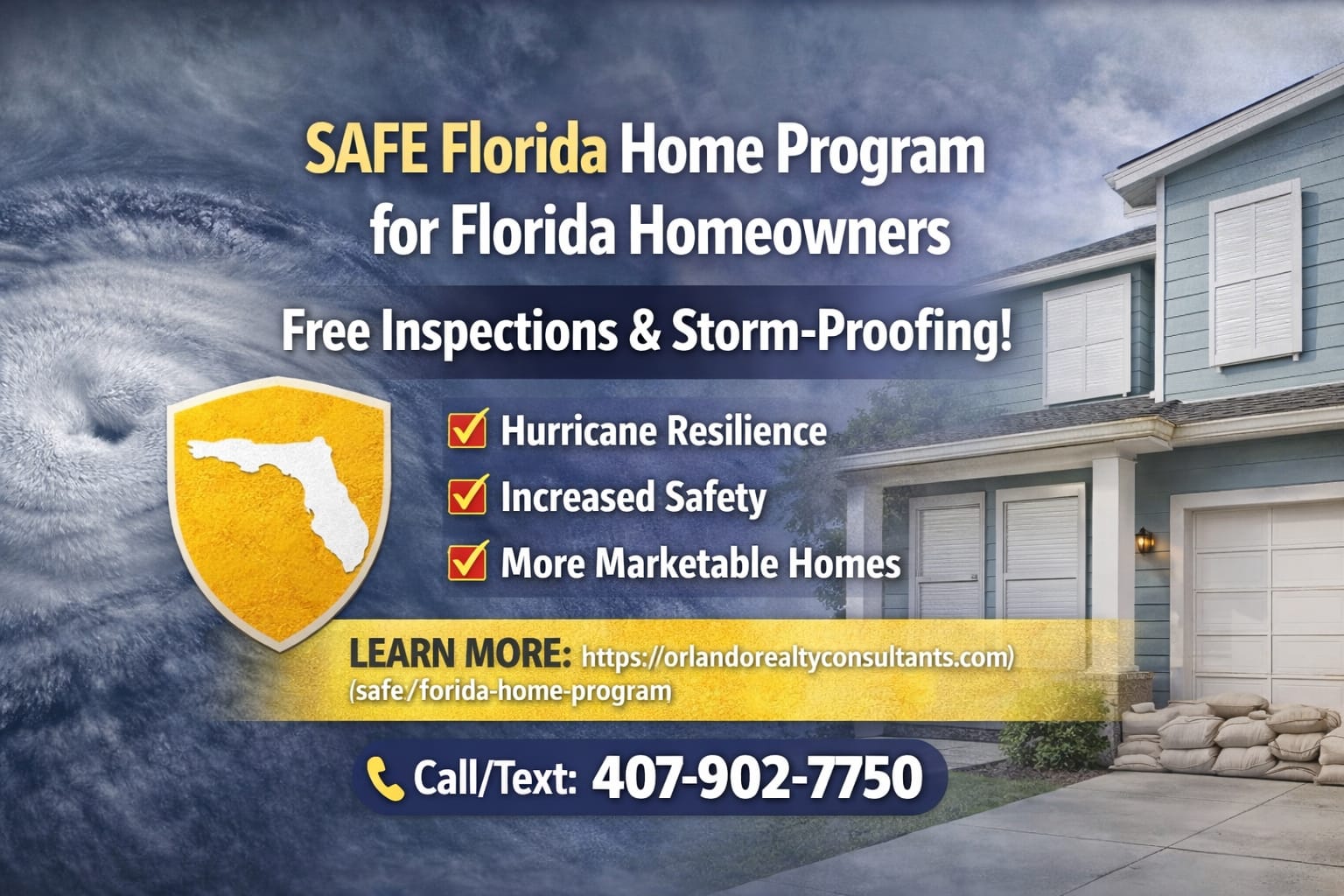
Programa Mi Hogar Seguro de Florida – Guía completa de Orlando

Actualizado para 2026: propietarios de viviendas en Orlando, FL: Descubre cómo el programa «My Safe Florida Home» puede ayudarte a reforzar tu casa contra los huracanes con inspecciones gratuitas y subvenciones de hasta $10,000 en fondos de contrapartida.

Quick Answer: El programa «My Safe Florida Home» es una iniciativa estatal que ofrece a los propietarios de viviendas de Florida que cumplan con los requisitos, incluidos los de Orlando, inspecciones gratuitas para la mitigación de daños por huracanes y hasta $10,000 en fondos de subvenciones complementarias para reforzar las viviendas contra los daños causados por las tormentas y, potencialmente, reducir las primas de seguro.

¿Qué es el programa Mi Hogar Seguro de Florida?

El programa My Safe Florida Home es administrado a través del Departamento de Servicios Financieros de Florida para ayudar a los propietarios de viviendas a evaluar y mejorar la resistencia de sus hogares contra los daños causados por el viento y los huracanes. Ofrece dos beneficios clave:

  • Inspecciones gratuitas de mitigación de vientos para identificar debilidades estructurales y posibles créditos de seguros.
  • Fondos equivalentes de hasta $10,000 para mejoras de mitigación que cumplan con los requisitos y que sean recomendadas en el informe de inspección. :contentReference[oaicite:0]{index=0}

Por qué es importante para los propietarios de viviendas en Orlando

Las casas en Orlando están tierra adentro, pero las grandes tormentas a menudo siguen produciendo fuertes vientos y granizo, y las mejoras de mitigación pueden marcar una verdadera diferencia en la prevención de daños y en los costos de seguros. Las características resistentes al viento, como ventanas de impacto, puertas de garaje reforzadas y mejores conexiones entre el techo y las paredes, son mejoras comunes.

Cómo funciona el programa: Paso a paso

Este es el camino práctico para participar:

  1. Solicitar una inspección a través del sitio web oficial del programa en https://mysafeflhome.com/. .
  2. Obtenga una inspección gratuita de mitigación de vientos que evalúa las características actuales de su hogar y recomienda mejoras de resistencia.
  3. Revise su informe de inspección y trabajar con un contratista con licencia para cotizar las mejoras elegibles.
  4. Enviar una solicitud de subvención con los detalles del proyecto y la información del contratista una vez que se realice la inspección.
  5. Completa el trabajo y solicitar la inspección final para calificar para el reembolso o el pago de la subvención.

¿Quién es elegible?

Los propietarios de viviendas deben cumplir con los criterios del programa, que por lo general incluyen:

  • Ser propietario y vivir en una casa unifamiliar construida en el terreno o en una casa adosada (townhouse).
  • Exención por residencia principal sobre la propiedad.
  • Vivienda asegurada por un monto de $700,000 o menos (con cambios recientes en los requisitos de elegibilidad). :contentReference[oaicite:5]{index=5}
  • Permiso de construcción emitido antes del 1 de enero de 2008 (para subvenciones equivalentes).

Mejoras comunes de mitigación de vientos cubiertas

  • Ventanas y puertas exteriores resistentes al impacto
  • Puertas de garaje reforzadas y barreras secundarias contra el agua
  • Correas para techos, grapas o refuerzo de la cubierta
  • Persianas o sistemas de protección para vanos

Beneficios de participar

BeneficioImpacto
Inspección gratuitaIdentifica riesgos y descuentos de seguros
Hasta $10 000 subvencionesAyuda a financiar las mejoras de mitigación
Ahorros potenciales en segurosPrimas más bajas gracias a los créditos por mitigación de vientos

Errores comunes y riesgos

  • Iniciar el trabajo antes de la aprobación de la subvención: no comience las mejoras antes de que su subvención sea aprobada.
  • Suponiendo que todas las viviendas califiquen —se pueden excluir los dúplex y algunas viviendas no construidas en el sitio—.
  • Demorarse demasiado: los fondos se asignan por orden de llegada y los programas pueden agotarse rápidamente.

Cómo postularse (Portal Oficial)

Empiece creando una cuenta y completando la solicitud de inspección de mitigación de vientos. Puede comenzar el proceso en https://mysafeflhome.com/. :contentReference[oaicite:9]{index=9}

Cómo funciona esto en Florida

El programa se reinició gracias a la acción legislativa estatal a partir de 2022 y se le han asignado cientos de millones para inspecciones y subsidios. Las solicitudes a menudo priorizan a los propietarios de viviendas de bajos ingresos y adultos mayores, especialmente en los ciclos de financiamiento principales.

Datos estatales y demografía

Para obtener información demográfica y de vivienda más amplia de Florida, la Investigación Económica y Demográfica de Florida la oficina publica datos que ayudan a contextualizar el riesgo de huracanes, las tendencias del valor de las viviendas y el movimiento de la población en el centro de Florida.

Cómo se relaciona esto con los bienes raíces en Orlando

Los vendedores y compradores de Orlando deben tener en cuenta los descuentos por mitigación y los informes de inspección en las tasaciones; las propiedades con características documentadas preparadas para huracanes pueden atraer mejores cotizaciones de seguros e interés por parte de los compradores, especialmente después de tormentas importantes o aumentos en las tarifas de los seguros. Consulte los datos de ventas locales a través de MLS para las tendencias en viviendas con mejoras de mitigación.

Conclusión y próximos pasos

El programa My Safe Florida Home es una oportunidad real para fortalecer su hogar en Orlando, ahorrar en seguros y tomar decisiones inteligentes a largo plazo. No espere a la temporada de tormentas: comience el proceso de inspección y solicitud con anticipación.

¿Listo para proteger su hogar en Orlando?

Si quieres ayuda para revisar los informes de inspección, entender qué mejoras tienen sentido en Orlando o navegar por los impactos del seguro, obtén más información sobre ORC y llamada 407-902-7750 para recibir orientación personalizada.

Preguntas Frecuentes

1. ¿Qué es el programa «My Safe Florida Home»?

Un programa estatal que ofrece inspecciones gratuitas para la mitigación de daños causados por huracanes y subvenciones de contrapartida de hasta $10,000 para ayudar a los propietarios de Florida a reforzar sus viviendas.

2. ¿Quiénes pueden solicitar las subvenciones?

Los propietarios con una inspección de mitigación de vientos y una propiedad construida en sitio con exención de vivienda principal por lo general califiquen; verifique los criterios de ingresos y antigüedad de construcción.

3. ¿Puedo comenzar las mejoras antes de postularme?

No, el trabajo realizado antes de la aprobación de la subvención por lo general no será reembolsado.

4. ¿Las mejoras de mitigación reducirán mi seguro?

A menudo sí: las aseguradoras ofrecen créditos por mitigación de vientos que pueden reducir su prima una vez documentados.

5. ¿Está disponible todo el año?

Las postulaciones se abren y cierran según el financiamiento; consulte el sitio oficial antes de postularse.

6. ¿Cuánto tiempo toma la inspección final?

Una vez finalizado el trabajo, la programación de la inspección final puede tardar varias semanas, según la demanda del programa.

7. ¿Tengo que buscar mi propio contratista?

Sí — el programa no asigna contratistas; los propietarios deben seleccionar a profesionales con licencia.

8. ¿Puedo usar la subvención para un techo nuevo?

Sí, si la inspección lo recomienda y cumple con los criterios de mitigación, pero se aplican límites a la subvención.

9. ¿Se pueden incluir las casas adosadas?

Las casas adosadas individuales pueden ser elegibles para inspecciones y ciertos subsidios según las reglas actuales.

10. ¿Qué tan pronto debo postularme?

Lo antes posible: los fondos son limitados y los programas populares suelen agotarse rápidamente.
¡Mantengámonos en contacto!

Nuevo cliente potencial de formulario ORC

"*" indica los campos obligatorios

Este campo es para fines de validación y debe dejarse sin cambios.
Trastorno obsesivo-compulsivo*

¿En peligro de ejecución hipotecaria en el centro de Florida?

Cómo evitar la ejecución hipotecaria en Orlando, Florida

Los propietarios de viviendas pueden evitar la ejecución hipotecaria actuando con rapidez y eligiendo la opción correcta, como una modificación de préstamo, planes de pago, vender antes de la subasta o una venta corta. En Orlando y el centro de Florida, el tiempo es fundamental. Cuanto antes responda a los avisos del prestamista y comprenda sus opciones locales, mayor control conservará.

¿Qué significa ejecución hipotecaria?

Foreclosure Ocurre cuando un prestamista inicia acciones legales para recuperar una propiedad tras el incumplimiento de los pagos de la hipoteca. En Florida, la ejecución hipotecaria es un proceso judicial, lo que significa que se lleva a cabo a través del sistema judicial. Esto genera tanto presión como oportunidades, siempre y cuando actúes con rapidez.

Por qué los propietarios de viviendas en Orlando caen en ejecución hipotecaria

  • Pérdida de empleo o reducción de ingresos
  • Gastos médicos o gastos inesperados
  • Aumento en los costos de seguros e impuestos sobre la propiedad
  • Divorcio o cambios importantes en la vida
  • Adjustable-rate mortgage increases

Foreclosure is rarely caused by one bad decision. It’s usually a slow buildup—and that means there are often multiple ways out.

How to Avoid Foreclosure: Your Main Options

1. Loan Modification

A loan modification permanently changes your mortgage terms. This may include a lower interest rate, extended loan term, or adding missed payments to the balance.

2. Repayment Plan or Forbearance

If your hardship is temporary, lenders may allow you to pause or spread out missed payments. These options work best when income is expected to recover.

3. Sell the Home Before Foreclosure

Selling before the foreclosure sale protects your credit far more than letting the process finish. This option works well when there is equity or when pricing is realistic.

4. Short Sale (When You Owe More Than the Home Is Worth)

A short sale allows the lender to accept less than the amount owed. This is where experience matters. I’ve handled hundreds of distressed transactions and understand how banks evaluate hardship, pricing, and approvals.

Lenders rely on a BPO or a Análisis Comparativo de Mercado to determine value—getting this wrong can kill a short sale.

As a Certified Distressed Property Expert and trusted Experto en short sales en Orlando, I know how to price, package, and negotiate these deals so they actually close.

Foreclosure vs Your Other Options (Quick Comparison)

Opción Impacto en el crédito Tiempo del proceso Control Level
Modificación del préstamo Low to Moderate 30 a 90 días Medium
Sell Before Foreclosure Baja 30–60 days Alta
Short Sale Moderada 60–120 days Medium
Foreclosure Severe 6–12 months None

How Foreclosure Works in Orlando and Central Florida

Florida is a judicial foreclosure state. That means lenders must file a lawsuit before taking your home. This process usually takes several months, sometimes longer, giving homeowners a critical window to act.

In Orlando, many homeowners wait too long because they assume nothing can be done after the court case starts. That’s simply not true. Sales and short sales can often still happen before the auction date.

Errores Comunes que Pueden Empeorar un Foreclosure

  • Ignoring lender letters or court notices
  • Waiting until the auction date to ask for help
  • Overpricing the home “just to try”
  • Working with agents who lack short sale experience
  • Assuming bankruptcy is the only solution

FAQs: How to Avoid Foreclosure

¿Puedo evitar la ejecución hipotecaria una vez que comienza el caso judicial?

Yes. In many Orlando cases, options still exist until the auction date.

¿Es mejor vender que la ejecución hipotecaria?

Almost always. Selling protects your credit and future buying power.

¿Cuánto tiempo dura una ejecución hipotecaria en Florida?

Typically 6–12 months, sometimes longer depending on court backlogs.

¿Un short sale arruinará mi crédito?

It impacts credit, but far less than a completed foreclosure.

Do I need cash to do a short sale?

No. Most short sales require no out-of-pocket payment.

Can I buy another home after foreclosure?

Yes, but waiting periods and loan terms are stricter.

Should I talk to my lender or a Realtor first?

Both—but start with someone who understands distressed options.

What if my home has no equity?

You may still avoid foreclosure through a short sale or modification.

Why Work With Orlando Realty Consultants?

Foreclosure is stressful—but bad advice makes it worse. Orlando Realty Consultants specializes in helping Central Florida homeowners navigate tough situations with clarity and strategy.

We don’t sugar-coat options. We explain what works, what doesn’t, and what protects you long-term.

Talk to a Real Foreclosure & Short Sale Expert

If you’re behind on payments or worried foreclosure may be coming, don’t wait. The earlier you act, the more options you keep.

Orlando Realty Consultants
Teléfono: 407-902-7750
📍 Área de servicio: Florida Central

Call today for a private, no-pressure conversation about how to avoid foreclosure and move forward.

¡Mantengámonos en contacto!

Nuevo cliente potencial de formulario ORC

"*" indica los campos obligatorios

Este campo es para fines de validación y debe dejarse sin cambios.
Trastorno obsesivo-compulsivo*

What Real Estate Agents Won’t Tell You About Buying Foreclosures

Buying a Foreclosure in Orlando: The 2026 Guide

If you’re researching buying a foreclosure in Orlando, you’re probably chasing the same thing every buyer is chasing: a deal. That can happen—but only if you understand how foreclosures actually work in Central Florida, what you can (and can’t) negotiate, and how to protect yourself from expensive surprises.

Quick Answer (Featured Snippet): Buying a foreclosure means purchasing a property where the lender (or auction winner) is selling after the owner defaulted. In Orlando, foreclosures are usually sold “as-is,” can involve title or repair risks, and often favor cash or strong financing. The smartest move is to verify condition, liens, and timelines before you commit.

What “Buying a Foreclosure” Actually Means

A foreclosure happens when a homeowner falls behind on their mortgage and the lender takes legal steps to recover the property. Once the process is far enough along, the home is sold—either at auction or later as a bank-owned (REO) listing. That “discount” you’re hoping for is basically compensation for extra risk, extra rules, and less seller cooperation.

In 2026, foreclosure inventory in Orlando still isn’t a giant bargain bin like 2010—but deals exist in pockets of the market. You’ll want to compare what you’re seeing against current local trends using Orlando Market Reports.

The 3 Main Ways to Buy a Foreclosure in Central Florida

Most buyers don’t realize there are multiple “foreclosure” paths. Where the home sits in the process changes everything: inspections, financing, title risk, and how fast you need to move.

Type Who You’re Buying From Ideal para Main Risks Financing Friendly?
Pre-Foreclosure Owner (before auction) Patient buyers who want inspections + traditional closing Short deadlines, payoff/approval complexity, deal can fall apart Usually yes (depends on condition + lender/short sale status)
Foreclosure Auction County/court auction process Experienced buyers/investors with cash + risk tolerance Limited access/inspection, occupancy, title/liens, deposit rules Often no (cash or very specific terms)
REO / Bank-Owned Lender/asset manager after auction Most everyday buyers who want a “normal-ish” transaction As-is, slower bank responses, repair/condition issues Sometimes (stronger if property meets loan standards)

How the Foreclosure Buying Process Works (Step-by-Step)

Big-picture, the steps look similar to a traditional purchase. The difference is the rules, timelines, and risk points are heavier. Here’s the practical roadmap I walk Orlando buyers through.

Step 1: Choose your lane (pre-foreclosure vs auction vs REO)

If you need an inspection, appraisal, and financing, you’re usually targeting REOs (and occasionally pre-foreclosures). If you want the deepest discounts and can handle uncertainty, that’s auction territory.

Step 2: Get fully underwritten (or as close as possible)

Foreclosure listings move fast when priced right. A casual pre-approval letter often isn’t enough. The more solid your financing file is, the more seriously you’ll be taken—especially if you’re competing with cash.

Step 3: Budget beyond the purchase price

Foreclosures are commonly sold “as-is,” and Orlando buyers routinely underestimate rehab costs. Your real budget should include:

  • Repairs and deferred maintenance (roof, HVAC, plumbing, electrical)
  • Utilities reactivation and inspections
  • Pest issues (termites are not rare in Florida)
  • Insurance surprises (older roofs can change the whole deal)
  • HOA/condo requirements and approvals

Step 4: Verify condition (and don’t play hero)

Even when a foreclosure looks “fine,” hidden issues are common—especially if a home sat vacant. If inspections are allowed, do them. If inspections are not allowed (common at auctions), assume you’ll find problems and price your offer accordingly.

Step 5: Protect yourself on title and liens

This is where buyers get burned. “Foreclosure” doesn’t automatically mean “clean title.” Depending on the situation, there can be unpaid property taxes, HOA/condo balances, code enforcement items, or other liens that become your headache if you don’t check properly.

Step 6: Make a strategic offer (and expect slow responses)

Banks don’t negotiate like people. They negotiate like committees. They may counter, request addenda, or take weeks to respond. The strongest offers usually include:

  • Proof of funds / strong lender letter
  • Clean terms (reasonable inspection period, realistic closing date)
  • Earnest money that shows you’re serious
  • Clear understanding of “as-is” and bank addenda

Step 7: Close with a plan for immediate repairs

Once you close, you own every problem—known and unknown. If you’re buying an Orlando foreclosure as a primary residence, have contractors lined up and cash reserves ready so you’re not stuck living in a construction zone longer than planned.

Financing a Foreclosure in 2026: What Actually Works

Financing is possible on many REO purchases, but it depends on condition. If the home can’t meet basic livability standards, lenders may say “no” even if you’re well-qualified.

Common financing routes

  • Conventional: Often the most flexible if the property is in decent shape.
  • FHA / VA: Possible, but the home must meet stricter property standards. Many foreclosures won’t qualify without repairs.
  • FHA 203(k) / renovation loans: Great on paper for fixer-uppers, but paperwork and contractor requirements are real. These work best when the deal timeline allows it (often easier on REOs than auctions).
  • Cash / hard money: Common for auctions and heavy rehabs. Higher risk, higher cost, but faster execution.

Real talk: if you’re trying to buy a distressed property in Orlando with minimal cash reserves, you’re stacking the deck against yourself. Foreclosures reward buyers who can absorb surprises.

Pros and Cons of Buying a Foreclosure

Ventajas

  • Potential discount compared to similar homes (varies by neighborhood and condition).
  • Less emotional negotiation in many REO situations—banks care about numbers and process.
  • Opportunity to add value through repairs and upgrades (especially for investors).

Contras

  • As-is condition with limited repair credits.
  • Unknown history (maintenance, permits, unreported damage).
  • Title and lien risk if you don’t do proper due diligence.
  • Competition from investors who are faster and often pay cash.
  • Longer, less predictable timelines with bank-owned transactions.

Common Mistakes Buyers Make (and How to Avoid Them)

  • Chasing the lowest price instead of the best total deal (price + repairs + time + risk).
  • Omisión de inspecciones when they’re available—or not pricing risk correctly when they aren’t.
  • Underestimating insurance hurdles (roof age and condition can derail closings in Florida).
  • Ignoring HOA/condo realities (approvals, special assessments, restrictions, unpaid balances).
  • Assuming “foreclosure = clean title” and not treating title work seriously.
  • Not planning for delays (bank response times, addenda, asset manager steps).
  • Trying to use FHA/VA on a property that can’t qualify and losing time (and sometimes money).

How It Works in Orlando: Local Reality Checks

Buying a foreclosure in Orlando isn’t the same as buying in a slower market. Central Florida has strong investor activity, and the best-priced bank-owned homes can attract multiple offers quickly—especially in popular areas near job centers, schools, and commuter corridors.

What Orlando buyers typically see in 2026

  • REO inventory comes in waves, not a steady stream. When good ones hit, they get attention.
  • “Livable condition” is everything if you’re financing. Cosmetic work is fine; major system failures are not.
  • Some “foreclosure” leads are really distressed/dated homes priced aggressively—still worth it, but not always a true foreclosure discount.
  • Neighborhood matters more than ever. A cheap foreclosure in a weak rental pocket can be a long-term regret.

Orlando-specific due diligence I recommend

  • Review property history and permits when possible (unpermitted work is a common Florida headache).
  • Confirm flood zone and insurance implications early.
  • Price out roof/HVAC/plumbing before you “fall in love.” Those are the big-ticket items that change the math fast.
  • Check HOA/condo documents and fees up front.

Practical Checklist: Before You Buy a Foreclosure

  • Financing: Strong pre-approval (or proof of funds) and reserves for repairs.
  • Comparable sales: Know the real market value, not just the list price.
  • Condition plan: Inspection (if allowed) + a repair budget with a cushion.
  • Title plan: Quality title work and a clean path to ownership.
  • Timeline: Assume delays. Don’t plan your life around a perfect 30-day closing.
  • Exit strategy: Are you living there, renting it, or flipping it? Each strategy changes the “right” deal.

FAQ: Buying a Foreclosure in Orlando

1) Are foreclosures really cheaper in Orlando?

Sometimes. The discount depends on condition, location, and how aggressively the asset is priced. Many “cheap” foreclosures aren’t cheap after repairs and insurance are added in.

2) Can I buy a foreclosure with an FHA loan?

Yes—if the home meets FHA property standards. Many foreclosures don’t, especially if there are roof, electrical, plumbing, or safety issues.

3) What’s the difference between an REO and a foreclosure auction?

At auction, you’re usually buying with limited information and more risk. REO (bank-owned) is typically listed for sale after auction and can allow inspections and financing, depending on condition.

4) Do foreclosures always sell “as-is”?

Most of the time, yes. Banks rarely make repairs. You should assume you’re responsible for fixes unless the contract explicitly says otherwise.

5) Can I inspect a foreclosure before I buy it?

Often on REO listings, yes. At auctions, frequently no. If you can inspect, do it. If you can’t, price your offer like you’re going to find problems—because you probably will.

6) What liens can come with a foreclosed property?

It varies, but buyers should worry about things like unpaid property taxes, HOA/condo balances, and municipal/code enforcement items. Proper title work is critical.

7) Why do banks take so long to respond to offers?

Because approvals can run through multiple layers (asset manager, servicer, investor guidelines). It’s normal for responses to be slower than a traditional sale.

8) Is buying a foreclosure a good idea for first-time buyers?

It can be, but it’s not beginner-friendly. The safest “first foreclosure” is usually a bank-owned home in decent condition where inspections and normal financing are allowed.

9) What should I budget for repairs on an Orlando foreclosure?

There’s no universal number, but you should plan for a meaningful cushion beyond your down payment and closing costs. Big systems (roof/HVAC/plumbing) can change your total cost quickly.

10) Should I work with an agent to buy a foreclosure?

Yes—especially in Orlando where competition is real and foreclosure contracts/addenda can be unforgiving. An experienced agent helps you avoid bad deals and move quickly on good ones.

Summary: The Smart Way to Buy a Foreclosure in 2026

Buying a foreclosure can be a strong strategy in Orlando—but only when the math works after repairs, insurance, title, and timeline risk. If you want a “simple” purchase, a foreclosure usually isn’t it. If you want a better deal and you’re willing to do the due diligence, it can absolutely pay off.

Talk to Orlando Realty Consultants Before You Make an Offer

If you’re serious about buying a foreclosure in Central Florida, don’t do it blind. The right guidance can save you from overpaying, inheriting hidden costs, or buying a property that can’t be financed.

Orlando Realty Consultants
Teléfono: 407-902-7750
Área de servicio: Central Florida

Want a realistic plan based on your budget and risk tolerance? Start with a quick call. We’ll talk through the best neighborhoods, the best path (REO vs auction vs pre-foreclosure), and what to watch for before you write an offer.

Agentes inmobiliarios de Orlando who tell it like it is—so you can buy smart.

Reference: National Association of Realtors (membership/industry resource) NAR


SCHEMA MARKUP

¡Mantengámonos en contacto!

Nuevo cliente potencial de formulario ORC

"*" indica los campos obligatorios

Este campo es para fines de validación y debe dejarse sin cambios.
Trastorno obsesivo-compulsivo*

10 Expert Tips for Keeping Your Yard Fresh and Lush This Summer

Ah, the summer season—the perfect time to bask in the sun, enjoy outdoor activities, and showcase your beautiful yard. However, maintaining a fresh and vibrant yard during the summer months can be a daunting task. If you are thinking about listing your home during the summer months, there are several challenges to overcome. Fear not! In this blog, we’ll provide you with 10 expert tips to help you keep your yard looking fresh and inviting all summer long.

  1. Water Smartly – Efficient watering is key to maintaining a healthy yard. Water your lawn early in the morning or late in the evening to minimize water loss due to evaporation. Use a sprinkler system or soaker hoses to ensure even coverage. Avoid overwatering, as it can lead to shallow root growth and other issues. Consider using a smart irrigation system that adjusts watering based on weather conditions and soil moisture levels.
  2. Mow with Care – Regular mowing is essential for a well-maintained yard. However, mowing too short can stress your grass and make it more susceptible to drought and weeds. Set your mower blades to a higher setting to allow the grass to shade its own roots and retain moisture. Remember to sharpen the mower blades regularly for clean cuts and to prevent the tearing of the grass blades.
  3. Weed Control – Weeds can quickly invade your yard and steal nutrients from your plants. Stay on top of weed control by manually removing them or using herbicides specifically designed for your lawn type. Applying a pre-emergent herbicide in early spring can help prevent weed growth. Mulching your garden beds can also reduce weed growth by blocking sunlight and preventing weed seeds from germinating.
  4. Fertilize Wisely – Proper fertilization is crucial for maintaining a lush green lawn. Choose a slow-release, balanced fertilizer and apply it according to the manufacturer’s instructions. Over-fertilization can cause excessive growth, leading to more frequent mowing and increased water requirements. Alternatively, consider using organic fertilizers to promote long-term soil health and reduce environmental impact.
  5. Prune and Trim – Regular pruning and trimming not only improve the aesthetics of your yard but also promote healthy growth. Trim overhanging branches to allow sunlight to reach your lawn and plants. Remove dead or diseased branches to prevent the spread of pests and diseases. Proper pruning encourages air circulation, reducing the risk of fungal infections.
  6. Aerate the Soil – Compacted soil can impede water absorption and nutrient uptake by the roots. Aerating your lawn in the early summer months can alleviate compaction and improve overall soil health. Use a core aerator to remove small plugs of soil and allow air, water, and nutrients to penetrate the root zone. Aeration also promotes stronger root growth, leading to a healthier and more resilient lawn.
  7. Protect Against Pests – Insects and pests can wreak havoc on your yard during the summer. Regularly inspect your plants for signs of infestation, such as holes in leaves or wilting. Use natural pest control methods whenever possible, such as introducing beneficial insects or using organic insecticides. If necessary, consult a professional for targeted pest control measures to protect your yard without harming beneficial wildlife.
  8. Provide Adequate Shade – Summer heat can be intense, causing stress to your plants and lawn. Strategically plant trees and shrubs to provide shade and reduce temperature fluctuations. Focus on shading windows and outdoor living areas to keep your home cool and comfortable. Additionally, using shade cloth or umbrellas in areas with potted plants can help prevent sunburn and dehydration.
  9. Maintain a Clean Yard – Regular maintenance goes a long way in keeping your yard fresh and inviting. Remove fallen leaves, twigs, and debris to prevent them from smothering your lawn and blocking sunlight. Trim back overgrown plants and remove spent blooms to promote continuous flowering. Keep walkways and patios clean by regularly sweeping away dirt and debris.
  10. Enjoy Your Outdoor Space – Lastly, remember to enjoy your yard and make the most of your outdoor space. Add comfortable seating areas, outdoor lighting, and decorative elements to create a welcoming ambiance. Host barbecues, garden parties, or simply relax and unwind in the tranquility of your well-maintained yard.

With these 10 expert tips, you’ll be well-equipped to maintain a fresh and inviting yard throughout the summer. By watering wisely, mowing properly, controlling weeds, fertilizing appropriately, and taking care of pests, you can ensure a lush and vibrant outdoor space. Remember, regular maintenance, such as pruning, aerating, and providing shade, will keep your yard healthy and thriving. So, embrace the summer season and create a beautiful oasis right in your own backyard.

¡Mantengámonos en contacto!

Nuevo cliente potencial de formulario ORC

"*" indica los campos obligatorios

Este campo es para fines de validación y debe dejarse sin cambios.
Trastorno obsesivo-compulsivo*

The Importance of Homeowner’s Insurance!

Homeowner’s insurance is the most important protection for your most valuable asset – your home.

However, the cost of homeowner’s insurance can be a significant expense for many homeowners. The cost varies depending on several factors, such as the value of your home, your location, and your insurance history.

Location

One of the most significant factors that can impact the cost of homeowner’s insurance is the location of your home. If you live in an area that is prone to natural disasters, such as hurricanes or floods, your insurance rates may be higher. This is because the risk of damage to your home is higher in these areas, which means the insurance company is taking on a greater risk by insuring your property.

Flood insurance is an important protection for homeowners in areas that are at risk of flooding. Homeowner’s insurance typically does not cover flood damage, which means you need to purchase a separate flood insurance policy if you want this coverage.

Flood insurance can be purchased through the National Flood Insurance Program (NFIP) or through private insurance companies. The cost of flood insurance can vary depending on the risk of flooding in your area, the value of your home, and other factors.

If you live in a flood-prone area, it is important to consider purchasing flood insurance to protect your home and belongings. You can access this information on the FEMA flood map.

Age

Another factor that can impact the cost of homeowners insurance is the age and condition of your home. If your home is older or has not been well-maintained, the insurance company may consider it a higher risk and charge you a higher premium. Similarly, if your home has certain features that make it more susceptible to damage, such as a swimming pool or a wood-burning stove, your rates may be higher.

History

Your insurance history can also impact the cost of your homeowner’s insurance. If you have a history of filing claims, insurance companies may view you as a higher risk and charge you higher premiums. Similarly, if you have a poor credit score, insurance companies may consider you a higher risk and charge you more for coverage.

While the cost of homeowners insurance can be a significant expense, it is important to have this protection for your home. Without insurance, you could be at risk of losing everything in the event of a disaster or accident.

To keep your rates as low as possible, consider taking steps to reduce your risk, such as installing a security system or doing home repairs. You can also shop around for insurance quotes to find the best rate for your needs.

Fraudulent Claims

Many of my clients express frustration with the high rates and wonder why they are so much higher than in other states. The truth is, that one of the major reasons for the high rates in FL is excessive fraudulent claims.

Fraudulent claims have been a significant issue in Florida for years, particularly when it comes to property insurance claims. According to the National Insurance Crime Bureau, Florida consistently ranks as one of the top states for insurance fraud. This type of fraud can take many forms, from staged accidents to falsified damage claims.

Fraudulent claims not only drive up the cost of insurance but also have other negative effects on the real estate market. For example, insurance companies may be hesitant to provide coverage in areas known for fraud, making it more difficult to sell homes in those areas.

Natural Disasters

One of the primary reasons that Florida is particularly susceptible to insurance fraud is the prevalence of natural disasters like hurricanes. When a hurricane hits, it can cause widespread damage to homes and businesses, making it easy for dishonest individuals to submit false claims. This type of fraud can drive up the cost of insurance for everyone in the state, even those who have never filed a claim.

In addition to natural disasters, there are other factors that make Florida a target for insurance fraud. For example, the state has a large population of seniors, who are often targeted by unscrupulous individuals looking to take advantage of their vulnerability. There are also many people in Florida who are struggling financially, and some may be tempted to file fraudulent claims to collect insurance money.

Additionally, some insurers may require higher deductibles or refuse to cover certain types of damage altogether, which can make it harder for homeowners to recover from disasters.

Solution

So, what can be done to address the issue of fraudulent claims in Florida? One approach is increasing penalties for those caught committing insurance fraud. The state already has strong laws in place to address insurance fraud, but enforcement can be challenging. By increasing the penalties for those who are caught, it may be possible to deter some would-be fraudsters.

Another approach is to educate homeowners about the dangers of insurance fraud and how to avoid it. Many people may not realize that filing a false insurance claim is a serious crime that can have significant consequences. By raising awareness about the issue, we may be able to prevent some instances of fraud from occurring in the first place.

Insurance companies can also take steps to address the issue of fraud. For example, they can invest in technology that can help detect fraudulent claims more quickly and accurately. They can also work with law enforcement agencies to identify and prosecute those who are committing fraud.

As a Real Estate Broker, I believe it is important to educate my clients about the issue of insurance fraud and how it can impact the cost of homeowner’s insurance in Florida. I also believe it is important to work with reputable insurers who have a strong track record of combating fraud.

In conclusion, by working together, we can help protect homeowners and keep insurance rates as affordable as possible.

¡Mantengámonos en contacto!

Nuevo cliente potencial de formulario ORC

"*" indica los campos obligatorios

Este campo es para fines de validación y debe dejarse sin cambios.
Trastorno obsesivo-compulsivo*