
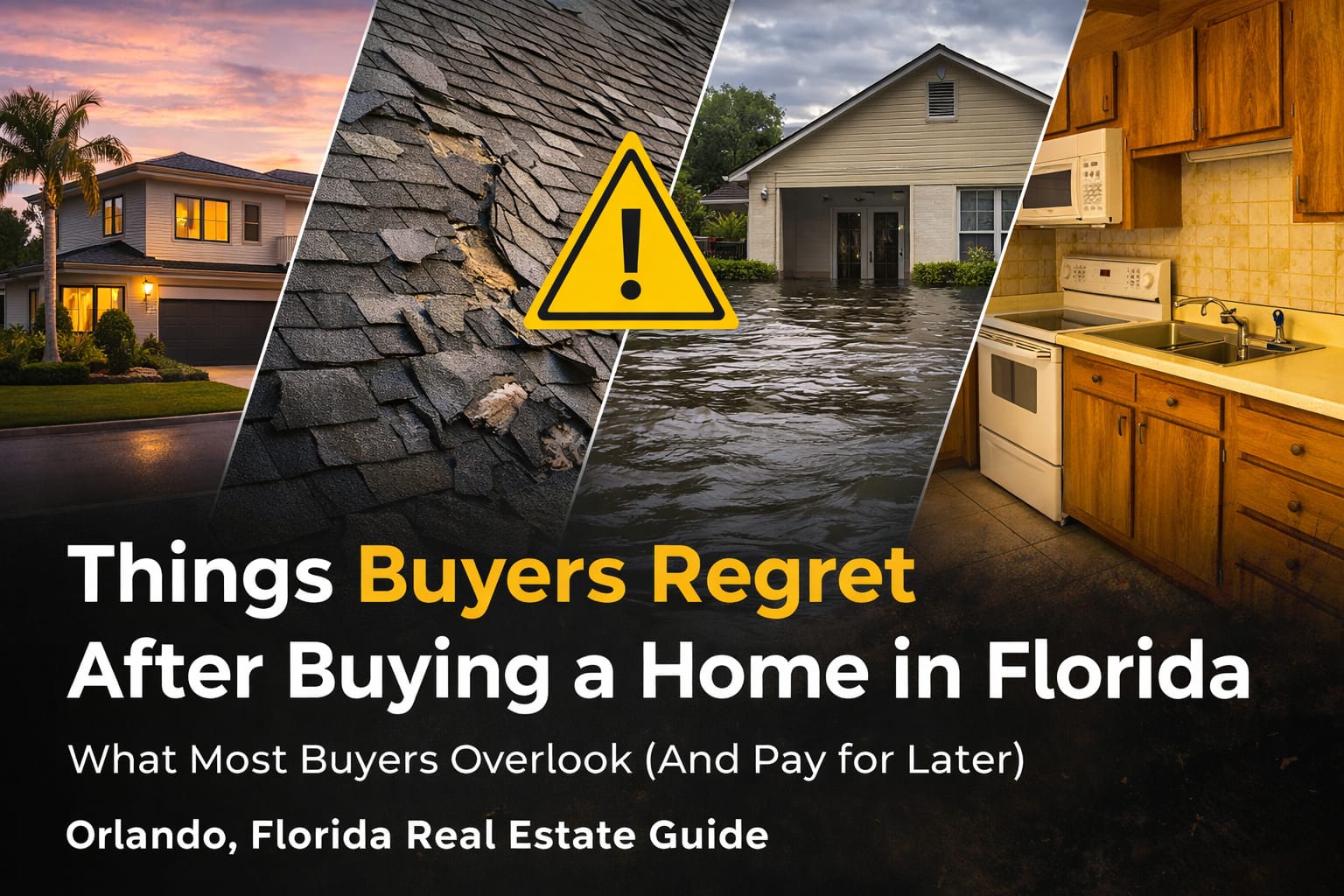
Renting vs Buying in Orlando: Which Is Smarter in 2026?

Renting vs Buying

If you’re renting in Orlando or Kissimmee and wondering whether buying a home finally makes sense, you’re not alone. Rising rents, changing interest rates, and shifting home prices have a lot of people rethinking their next move.

This guide breaks down the real numbers — not hype — so you can decide what’s smarter for you in 2026.

If you want a personalized rent-vs-buy breakdown, start here:

hogar


The Short Answer

Buying usually makes more sense if you plan to stay put for 3–5+ years and can qualify for a loan. Renting can still work short-term, but long-term costs often favor ownership in Central Florida.

Cost of Renting in Orlando

Orlando rents have increased significantly over the last few years.

  • Monthly rent payments that increase annually
  • No equity built over time
  • Limited control over rent increases or lease renewals

Renting offers flexibility, but you’re paying someone else’s mortgage.

Cost of Buying a Home

Buying comes with upfront costs, but those costs often stabilize over time.

  • Down payment (as low as 3–3.5% for many buyers)
  • Gastos de cierre
  • Monthly mortgage, taxes, and insurance

Not sure what upfront cash looks like? Start here: how much money you need to buy a house in Orlando

Monthly Payment Comparison

In many Orlando neighborhoods, monthly mortgage payments are now comparable to — or sometimes lower than — rent for similar homes.

Unlike rent, part of your mortgage payment builds equity.

Long-Term Wealth & Equity

When you buy a home:

  • You build equity with each payment
  • You benefit from appreciation over time
  • Your housing cost becomes more predictable

Renting provides convenience, but it doesn’t build long-term wealth.

Orlando Market Outlook for 2026

In 2026, Orlando continues to see strong demand driven by population growth, employment, and lifestyle appeal.

While price growth has moderated, long-term fundamentals remain strong — especially for buyers planning to stay several years.

When Buying Makes Sense

  • You plan to stay in Orlando or Kissimmee long term
  • You can qualify for a mortgage
  • You want payment stability
  • You want to build equity

If credit is your concern, start here: Cómo mejorar tu historial crediticio para comprar una casa

When Renting Makes Sense

  • You expect to move within 1–2 years
  • You’re working on credit or savings
  • You want maximum flexibility

Renting can be a smart short-term step — especially with a clear plan to buy.

If you’re at the beginning of the journey, see: pasos para comprar una casa por primera vez


Preguntas Frecuentes

Is renting cheaper than buying in Orlando?

Short term, sometimes. Long term, buying often wins when equity and appreciation are factored in.

Should I wait for prices or rates to drop?

Trying to time the market is risky. Many buyers do better focusing on affordability and long-term plans.

How do I know which option is right for me?

A personalized rent vs buy analysis makes the decision much clearer.

Want a real comparison based on your numbers? Let’s run it:

hogar

¡Mantengámonos en contacto!

Nuevo cliente potencial de formulario ORC

"*" indica los campos obligatorios

Este campo es para fines de validación y debe dejarse sin cambios.
Trastorno obsesivo-compulsivo*

Su guía de venta corta en el centro de Florida: Cómo ayudo a los propietarios a seguir adelante

La guía completa de venta corta en Orlando para propietarios

Facing financial hardship, behind on payments, or worried about losing your home? This short sale guide is written specifically for Orlando and Central Florida homeowners who need real answers, not sales fluff.

Quick Answer: What Is a Short Sale?

A short sale is when a homeowner sells their property for less than the total amount owed on the mortgage, with lender approval. It allows distressed homeowners to avoid foreclosure, reduce financial damage, and exit an unaffordable situation more responsibly.

What This Short Sale Guide Covers

  • How short sales work in Florida
  • Who qualifies and who doesn’t
  • The real pros and cons (no sugar-coating)
  • Step-by-step Orlando short sale process
  • Common mistakes that delay or kill approvals
  • How local experience changes outcomes

How a Short Sale Works (Beginner-Friendly Explanation)

In a short sale, the lender agrees to accept less than the full loan balance because the alternative—ejecución hipotecaria—is usually more expensive and time-consuming for them.

The lender reviews your financial hardship, property value, and market conditions before deciding whether to approve the sale.

Key Players in a Short Sale

  • Homeowner (seller)
  • Lender or loan servicer
  • Buyer
  • Experienced short sale Realtor

Short Sale vs Foreclosure (Quick Comparison)

Factor Short Sale Ejecución hipotecaria
Credit Impact Less severe Severe, long-lasting
Control Over Sale Seller maintains control Lender controls process
Public Record No foreclosure judgment Foreclosure recorded
Relocation Flexibility More options Very limited

Who Qualifies for a Short Sale in Florida?

Not every homeowner qualifies. Lenders look for:

  • Documented financial hardship
  • Property value below mortgage balance
  • Inability to sustain payments long-term
  • Market-based pricing supported by a BPO or Análisis Comparativo de Mercado

The Orlando Short Sale Process (Step-by-Step)

  1. Evaluate hardship and mortgage situation
  2. Price the home correctly for lender approval
  3. Submit full short sale package to lender
  4. Negotiate terms and deficiencies
  5. Secure written lender approval
  6. Close the sale

Common Short Sale Mistakes (That Cost Time or Kill Deals)

  • Overpricing the home
  • Missing or outdated financial documents
  • Using an agent without short sale experience
  • Ignoring lender timelines
  • Waiting until foreclosure is imminent

How Short Sales Work Differently in Orlando

Central Florida short sales come with unique challenges:

  • Multiple-lien properties
  • HOA and condo association approvals
  • Investor-heavy buyer pools
  • Rapid market shifts affecting lender values

Local knowledge matters. What works in another state often fails here.

My Experience With Short Sales in Central Florida

I’ve helped homeowners across Orlando and Central Florida navigate complex short sale situations—many involving multiple lenders, aggressive timelines, and high financial stakes.

Como un Certified Distressed Property Expert, I understand lender behavior, valuation disputes, and how to protect sellers from unnecessary liability.

If you’re looking for an Experto en ventas cortas en Orlando, experience is not optional—it’s critical.

Ventajas y desventajas de una venta corta

Ventajas

  • Avoid foreclosure
  • Less credit damage
  • More control over timing

Contras

  • Lender approval required
  • Longer timelines
  • Not guaranteed

Frequently Asked Questions About Short Sales

¿Cuánto tiempo toma un short sale en Orlando?

Typically 60–120 days, depending on lender responsiveness and document completeness.

¿Debaré dinero después de una venta corta?

It depends on lender approval terms and deficiency waivers.

¿Puedo comprar otra casa después de una venta corta?

Yes, often sooner than after foreclosure.

Do I need to be behind on payments?

Not always, but hardship must be documented.

¿Una venta corta detiene la ejecución hipotecaria?

In many cases, yes—when handled correctly and early.

Can investors buy short sale homes?

Yes, but lender approval governs all offers.

¿Una venta corta afectará mi crédito?

Yes, but significantly less than foreclosure.

Is a short sale better than loan modification?

Sometimes. It depends on long-term affordability.

Next Steps: Talk to a Real Orlando Short Sale Professional

If you’re overwhelmed, uncertain, or running out of time, the worst move is doing nothing.

Orlando Realty Consultants
Sirviendo al centro de Florida
Call: 407-902-7750

Let’s review your situation honestly and figure out the smartest path forward.

¡Mantengámonos en contacto!

Nuevo cliente potencial de formulario ORC

"*" indica los campos obligatorios

Este campo es para fines de validación y debe dejarse sin cambios.
Trastorno obsesivo-compulsivo*

Kia Center en Orlando

Kia Center in Orlando: Complete Guide for Visitors & Locals

Respuesta rápida: The Kia Center is a major indoor arena in downtown Orlando, Florida (home of the Orlando Magic) located at 400 W Church St. It hosts NBA games, concerts, and events year-round. Plan ahead for parking, arrive early for security, and consider nearby neighborhoods like Downtown, Thornton Park, and Lake Eola if you want to live close to the action. Se habla español.

If you searched “kia center,” you’re usually trying to figure out one of three things: (1) what it is and where it is, (2) how to get in and out without a headache, or (3) what it’s like living near it. This guide covers all three with a local Orlando perspective.

What Is the Kia Center?

The Kia Center is Orlando’s downtown sports and entertainment arena and the home venue for the Orlando Magic. It was previously known as the Amway Center and was renamed Kia Center in late 2023. For official venue details (events, policies, directions), use the arena’s site.

  • Address: 400 W Church Street, Orlando, FL 32801
  • Typical event types: NBA games, concerts, family shows, touring events

Kia Center Quick Facts

Topic What to Know Local Tip
Location Downtown Orlando near I-4 and the Church Street corridor Build extra time if I-4 is backed up or multiple downtown events overlap.
Parking Multiple garages/lots near the arena Prepaid parking (when offered) is usually worth it on big nights.
Rideshare Designated pickup/drop-off area Follow the venue’s recommended pickup spot to avoid post-event chaos.
Bag Policy Strict “no bags” with limited exceptions Bring a small clutch only; medical/parent bags are exceptions and screened.
Timing Doors often open about an hour before event time Arrive early if you want less line time and easier parking.

Key Concepts People Expect When Searching “Kia Center”

Events and Tickets

The Kia Center hosts NBA games, concerts, and major touring events. The official event calendar is the fastest way to confirm schedules and entry details for your specific date.

The Name Change (Amway Center → Kia Center)

Same building—new name. The arena was renamed from Amway Center to Kia Center in December 2023. If you see older directions or signage online, that’s why.

Downtown Logistics (Parking, Entry, and Timing)

Most “bad experiences” aren’t inside the arena—they’re the last mile: traffic, parking, security lines, and trying to leave at the exact same time as thousands of other people.

Before You Go: Practical Checklist

  • Check your event time and aim to arrive 60–90 minutes early for big shows or games.
  • Travel light. The Kia Center has a strict bag policy (small clutch only; limited exceptions).
  • Choose a plan: drive + garage, rideshare, or transit if you’re nearby.
  • Tickets ready: have your mobile tickets open and brightness up before you hit the gate.
  • Meetup plan: pick a post-event meetup spot in case your group gets separated.
  • Exit plan: garages can bottleneck after major events—expect a short wait.

Parking, Directions, and Getting There

Driving and Parking

There are multiple garages and lots around the arena. Your best move is to decide your parking approach before you arrive (prepaid if offered, garage location, walking route). Downtown traffic can stack up fast when there are multiple events.

Rideshare

Rideshare can be smoother than driving on high-attendance nights—if you use the venue’s designated pickup/drop-off guidance. If you get picked up at a random corner, you’ll waste time and annoy your driver.

Public Transit

If you’re staying downtown or close by, transit can reduce the parking hassle. Just make sure you still plan extra time—especially for late events.

Bag Policy and Entry Rules

The Kia Center’s bag rules are strict. In plain English: don’t bring a bag unless you meet a listed exception. The most common mistake is showing up with a normal purse or backpack and having to walk it back to the car (or worse, throw it away).

  • Usually allowed: small clutch (size limits apply)
  • Exceptions: medical/parent bags (screened)
  • Usually not allowed: backpacks, large purses, and most bags

Pros and Cons of Events at Kia Center

Ventajas

  • Prime location: downtown Orlando, easy to pair with dining and nightlife.
  • Big-event energy: NBA games and concerts bring a real city vibe.
  • Walkable options: if you’re staying downtown, you can often skip the car entirely.

Contras

  • Traffic/parking surges: congestion before and after major events is real.
  • Strict policies: bag rules and screening can slow entry if you’re not prepared.
  • Downtown pricing: food, drinks, and convenient parking can cost more on event nights.

Common Mistakes (and How to Avoid Them)

  • Arriving last-minute: security + scanning + walking time adds up fast.
  • Ignoring the bag policy: this is the #1 avoidable issue.
  • No meeting point: set one before the final buzzer so you’re not wandering downtown.
  • Underestimating downtown event stacking: if another venue is busy, everything slows down.

How It Works in Orlando: Living Near the Kia Center

If you love walkability, city views, and being able to hit a game or concert without planning your whole night around traffic, living near the Kia Center can be a great fit. If you want quiet streets and easy parking every day, it may not be your lane.

Nearby Areas Buyers Commonly Consider

  • Downtown Orlando: condos, high-rises, amenities, and true walk-to-everything convenience.
  • Thornton Park: dining, charm, and a neighborhood feel near downtown.
  • Lake Eola area: popular for walking, skyline views, and community events.
  • South Eola: strong condo corridor with proximity to downtown core.

Real Talk: What to Watch for in Downtown Condos

  • HOA fees: what they cover (and what they don’t).
  • Rental restrictions: limits on short-term or long-term leasing.
  • Reserves & special assessments: big-ticket repairs can get expensive fast.
  • Parking assignments: deeded vs. unassigned vs. rented spaces.

If you’re shopping downtown: We help you compare buildings, review the HOA situation, and avoid the “looks great on a tour” traps that can bite later.

Helpful Links (Non-Competitor, Authoritative Sources)

FAQs About the Kia Center

¿Es el Kia Center lo mismo que el Amway Center?

Sí. Es la misma arena del centro de Orlando, solo que fue rebautizada como Kia Center en diciembre de 2023.

¿Dónde está ubicado el Kia Center?

400 W Church Street, Orlando, FL 32801 (centro de Orlando).

What is the Kia Center used for?

NBA games (Orlando Magic), concerts, family shows, and major touring events.

What’s the Kia Center bag policy?

It’s strict: bags are generally not allowed. Small clutches are typically permitted, and medical/parent bags may be exceptions (screened).

When should I arrive before an event?

For big events, arrive 60–90 minutes early to reduce stress with parking, walking, and entry lines.

Is there rideshare pickup and drop-off?

Yes. Use the venue’s recommended rideshare area so you’re not stuck trying to find your driver in traffic.

What’s the easiest parking strategy?

Decide ahead of time. If prepaid parking is available, it’s often worth it. If not, pick a garage, plan your walking route, and arrive early.

What neighborhoods are closest if I want to live near Kia Center?

Downtown Orlando, Thornton Park, and the Lake Eola area are common choices for walkability and quick access.

Is living downtown Orlando a good fit for everyone?

No. It’s great for walkability and lifestyle, but you’ll deal with more noise, more rules (especially condos), and more event-night traffic.

Can Orlando Realty Consultants help me buy near downtown?

Yes. We help buyers compare buildings, evaluate HOA risks, and find the best fit for your lifestyle and budget. Se habla español.

Summary & Next Steps

The Kia Center is a downtown Orlando landmark for NBA games and major events. The best visit comes down to planning: arrive early, follow the bag rules, and choose a parking or rideshare strategy before you hit downtown. If you’re thinking about living nearby, focus on condo rules, HOA health, and parking—those details matter.

Call Orlando Realty Consultants

Thinking about buying or selling near downtown Orlando? We serve Florida Central and help clients make smart moves with clear guidance (no fluff).

  • Business Name: Orlando Realty Consultants
  • Teléfono: 407-902-7750
  • Área de servicio: Florida Central
  • Se habla español

Call now: 407-902-7750  |  Contact us

¡Mantengámonos en contacto!

Nuevo cliente potencial de formulario ORC

"*" indica los campos obligatorios

Este campo es para fines de validación y debe dejarse sin cambios.
Trastorno obsesivo-compulsivo*

Por qué la experiencia importa al vender una casa en preejecución hipotecaria en Orlando, FL

Por qué la experiencia importa en una venta corta

Experience matters in a short sale because lenders, timelines, pricing, documentation, and negotiations are unforgiving. An experienced short sale agent knows how banks think, how to avoid costly mistakes, and how to keep a deal from collapsing—especially in competitive markets like Orlando.

What Does “Experience” Really Mean in a Short Sale?

A short sale is not a normal home sale. You are asking a lender to accept less than what is owed, and that means strict rules, zero margin for error, and constant scrutiny. Experience means knowing how to:

  • Price the home correctly from day one
  • Navigate lender timelines and escalation paths
  • Prepare complete hardship and financial packages
  • Prevent unnecessary delays and denials
  • Protect the seller from legal and financial fallout

This is especially critical in Orlando, where values, investor activity, and lender expectations vary neighborhood by neighborhood.

Why Inexperienced Agents Struggle With Short Sales

Many agents claim they “do short sales,” but most have little to no real-world experience closing them. Short sales fail when agents:

  • Overprice the home and lose lender approval
  • Miss lender deadlines or submit incomplete packages
  • Don’t understand how lender valuations work
  • Fail to manage buyers during long approval timelines

Banks rely heavily on tools like a BPO and internal valuation models. If your agent doesn’t know how to challenge or support these values, the deal dies.

Key Skills an Experienced Short Sale Agent Brings

Accurate Pricing From the Start

Short sales live or die on pricing. An experienced agent understands how lender pricing differs from retail pricing and uses a proper Análisis Comparativo de Mercado aligned with lender logic.

Understanding Lender Valuations

Banks may order a BPO or an Tasación. Knowing how to respond when values come in high is critical.

Documentation & Hardship Strategy

Lenders don’t approve short sales without proof of financial hardship. Experience means knowing what to say, what not to say, and how to structure documentation properly.

Short Sale vs Foreclosure: Why Experience Protects You

Short Sale Ejecución hipotecaria
Seller maintains more control Bank controls the outcome
Less long-term credit damage Severe credit impact
Possible relocation assistance No relocation assistance
Private sale process Public record and auction

Once a property goes into ejecución hipotecaria, options shrink fast. Experience means knowing when time is running out and how to act before it’s too late.

How Short Sales Actually Work in Orlando

Orlando short sales face unique challenges:

  • Investor-heavy neighborhoods with aggressive pricing
  • HOA and condo association approval hurdles
  • Multiple-lien properties common in Central Florida
  • Servicers outsourcing decisions to third parties

An experienced Orlando short sale agent understands how local market data, buyer demand, and lender expectations intersect.

Why My Experience Makes a Difference

I’ve spent years handling distressed properties across Central Florida. I’m not learning on your home. I’ve worked directly with lenders, negotiators, and servicers and understand how to keep files moving.

I also hold the Certified Distressed Property Expert designation, which focuses specifically on short sales and foreclosure alternatives.

If you’re serious about avoiding foreclosure and maximizing approval chances, working with an Experto en ventas cortas en Orlando importa.

Common Short Sale Mistakes I Help Sellers Avoid

  • Esperar demasiado tiempo para actuar
  • Trusting agents without real short sale experience
  • Accepting unrealistic pricing advice
  • Ignoring HOA or second lien issues
  • Letting buyers walk due to poor communication

Preguntas frecuentes

¿Por qué importa la experiencia en una venta corta?

Because lenders are strict and mistakes cause denials. Experience prevents costly errors.

Can any real estate agent handle a short sale?

No. Most agents lack the training and lender experience required.

¿Cuánto tiempo toma un short sale en Orlando?

Typically 3–6 months, depending on lender response times.

¿Debaré dinero después de una venta corta?

Sometimes. An experienced agent helps negotiate deficiency waivers.

¿Es una venta corta mejor que una ejecución hipotecaria?

In most cases, yes—less credit damage and more control.

Do banks always approve short sales?

No. Approval depends on pricing, hardship, and documentation.

Can I sell if I’m already behind on payments?

Yes. Many short sales start after missed payments.

What if my home has multiple liens?

Multiple liens complicate deals—experience is critical here.

Do I pay the agent in a short sale?

No. Commissions are typically paid by the lender.

Next Steps: Talk to an Experienced Orlando Short Sale Agent

If you’re facing pre-foreclosure or financial hardship, guessing is not an option. Experience matters—and it can be the difference between approval and foreclosure.

Orlando Realty Consultants
Sirviendo al centro de Florida
Llamar 407-902-7750 for a confidential consultation.

¡Mantengámonos en contacto!

Nuevo cliente potencial de formulario ORC

"*" indica los campos obligatorios

Este campo es para fines de validación y debe dejarse sin cambios.
Trastorno obsesivo-compulsivo*

¿Qué es un leaseback?

¿Qué es un leaseback? (Acuerdo de alquiler posterior) Explicado para Orlando

Respuesta rápida: A leaseback (often called a rent-back) is an agreement where a home seller stays in the property after closing and pays the new owner rent for a short, defined period. It can make an offer more attractive or prevent the seller from moving twice, but it must be written carefully to address rent, deposits, repairs, insurance, and a firm move-out date.

In Orlando and across Central Florida, you’ll hear a few terms used interchangeably: leaseback, rent-back, seller post-closing occupancy, and sometimes post-settlement occupancy. In plain English, it’s the same idea: the seller becomes a short-term tenant, and the buyer becomes a short-term landlord—immediately after the sale closes.

One important nuance: “leaseback” can also describe a longer-term sale-leaseback structure used in commercial real estate and corporate finance. Most homebuyers searching “what is a leaseback” are really asking about the short-term residential rent-back after closing—so that’s what this guide focuses on, with a quick comparison to the commercial version.

What Is a Leaseback in Real Estate?

A leaseback agreement is a written contract that allows the seller to keep living in the home for a limited time after the buyer closes. The seller pays rent (sometimes daily), and the agreement spells out rules like:

  • How long the seller can stay (start date and end date)
  • How much rent is paid, and when
  • Security deposit/escrow holdback for damage
  • Utilities, lawn/pool care, and maintenance responsibilities
  • What happens if something breaks
  • Insurance requirements and liability
  • Penalties if the seller doesn’t move out on time

Many lenders prefer (and sometimes effectively require) that owner-occupant buyers take possession within about 60 days, so residential leasebacks are often structured as short-term arrangements. (This “under 60 days” expectation shows up repeatedly in mainstream lender education and consumer guidance.)

Leaseback vs. Rent-Back vs. Sale-Leaseback

Here’s a simple way to keep the terminology straight:

Term Most Common Meaning Typical Length Most Common Use Case
Rent-back Seller stays after closing and pays buyer rent Days to ~60 days Seller needs time to move or close on next home
Leaseback (residential) Often used as a synonym for rent-back Days to ~60 days Same as rent-back; term varies by region
Sale-leaseback (commercial) Owner sells property, then leases it back long-term Years Business unlocks capital but keeps using the building

If you’re a typical Orlando home buyer/seller, you’re almost always dealing with the first two rows.

How a Leaseback Works (Step-by-Step)

  1. Negotiate leaseback terms during the offer phase. This is where you decide how long the seller stays and what it costs.
  2. Put it in writing as part of the contract package. It should be signed before or at closing—no handshake deals.
  3. Collect funds at closing (recommended). Rent, deposits, and any holdback should be documented and handled cleanly.
  4. Close the sale. Ownership transfers to the buyer.
  5. Leaseback period begins immediately after closing. Seller occupies as a tenant under the agreed rules.
  6. Final walkthrough and move-out. Buyer verifies condition, keys are delivered, and deposits/holdbacks are released per the agreement.

Key Leaseback Terms You Should Decide Up Front

1) Length of stay (and a hard end date)

Make the move-out date crystal clear. If the seller needs “flexibility,” define what that means (and what it costs). Avoid open-ended extensions.

2) Rent amount (daily vs. monthly)

Many rent-backs are priced daily. In Orlando, a practical approach is to start with the buyer’s daily carrying costs (principal/interest, taxes, insurance, HOA) and sanity-check against market rents.

3) Security deposit or escrow holdback

This is where people get sloppy—and it’s a mistake. A meaningful deposit/holdback helps cover damage, overstay, or surprise repairs. Decide:

  • Amount and where it’s held
  • What it can be used for
  • When it’s released

4) Repairs, maintenance, and utilities

Spell out who handles:

  • Minor repairs (light fixtures, clogged drains, etc.)
  • Major repairs (AC, roof leaks, plumbing issues)
  • Lawn care/pool service
  • Utilities and internet

5) Insurance and liability (don’t guess here)

During a leaseback, ownership changes but occupancy doesn’t. That’s exactly when insurance confusion happens. The buyer should speak with their insurer before closing, and the seller should confirm what coverage applies during the occupancy period. Also consider requiring renter’s insurance from the seller/occupant.

6) Walkthroughs and condition standards

Define what “broom clean” means, whether move-out includes professional cleaning, and when the buyer can do a final walkthrough.

7) Overstay penalties (this protects the buyer)

If the seller stays past the agreed date, the buyer’s options can get ugly fast. A strong agreement typically includes daily penalties for overstaying and a clear path to enforcement if needed.

Practical Leaseback Checklist (Orlando Buyers & Sellers)

  • Move-out date in writing (no “we’ll see” language)
  • Rent amount and due date (daily rate is often simplest)
  • Deposit/holdback sized to the risk
  • Utilities responsibility clearly assigned
  • Maintenance rules (lawn, pool, AC filters, etc.)
  • Insurance confirmed for both parties before closing
  • No early move-in by buyer unless explicitly allowed
  • Final walkthrough scheduled near move-out
  • Keys/garage remotes delivery method defined
  • Overstay penalties and remedies written plainly

Pros and Cons of a Leaseback

Pros for sellers

  • Avoid moving twice (hotel/storage costs add up fast)
  • More time to close on the next home or finish a build
  • Can accept a strong offer without perfect timing

Pros for buyers

  • Stronger offer in competitive situations (flexible possession can win)
  • Potential rent income during the leaseback period
  • Smoother closing if the seller needs a short buffer

Cons (and why people regret leasebacks)

  • Buyer takes on landlord-like risk immediately after closing
  • Damage or wear-and-tear disputes can get personal fast
  • Insurance gray areas if not handled correctly
  • Overstay risk (and the time/cost of enforcing move-out)
  • Lender/occupancy constraints if the buyer is financing as a primary residence

Common Leaseback Mistakes (Tell-It-Like-It-Is)

  • Not charging enough rent. “Free rent-back” sounds nice until you’re paying a mortgage you can’t live in.
  • Skipping the deposit/holdback. If something goes wrong, your leverage disappears.
  • Vague repair language. “Seller will maintain the home” is not specific enough.
  • No penalties for late move-out. Hope is not a strategy.
  • Not confirming insurance. This is where small issues turn into big claims and finger-pointing.
  • Forgetting the lender’s occupancy expectations. Especially for owner-occupied loans, long leasebacks can create financing headaches.

What Does a Leaseback Cost in Orlando?

There’s no single “Orlando standard,” but most leasebacks price rent using one of these methods:

  • Buyer’s daily carrying cost (PITI + HOA) as a baseline
  • Market rent comps (similar homes renting in the area)
  • Hybrid approach (carrying cost minimum + market check)

In practice, the rent number matters less than the structure: deposit/holdback, clear responsibilities, and real consequences for overstaying.

How It Works in Orlando (Local Context + Examples)

Leasebacks show up in Central Florida for a few predictable reasons:

  • School calendar timing: Sellers want kids to finish a semester before moving (common in Orange/Seminole/Osceola County moves).
  • New construction delays: Builds get pushed—permits, inspections, labor, materials—so sellers need a bridge plan.
  • Out-of-state relocation: Sellers moving for work want the sale closed, but need time to coordinate movers and housing.
  • Strong seller leverage: When demand is high, sellers ask for post-closing occupancy as part of the deal.

Orlando example (seller needs 21 days)

A seller closes on their Orlando home but their next purchase closes three weeks later. A 21-day rent-back avoids temporary housing. The agreement should include: daily rent, deposit/holdback, utilities responsibility, and a penalty if the seller stays beyond day 21.

Orlando example (buyer is relocating and flexible)

A buyer moving to Orlando in 45 days can offer a rent-back to beat competing offers—as long as the buyer’s lender and insurance are aligned with the plan, and the agreement includes strong protections.

When a Leaseback Is (and Isn’t) a Good Idea

A leaseback can make sense when:

  • The seller’s timeline is short and clearly defined
  • Both parties agree on rent, deposits, and responsibilities in writing
  • The buyer’s financing/occupancy plan supports it

A leaseback is usually a bad idea when:

  • The seller can’t commit to a firm move-out date
  • The buyer must occupy immediately (or the lender requires it)
  • The property condition is already borderline (repairs deferred, poor maintenance)
  • Either party is trying to “wing it” without clear paperwork

Authoritative Resources (Non-Competitor Links)

FAQs: What Is a Leaseback?

1) Is a leaseback the same as a rent-back?

In most residential home sales, yes. People often use “leaseback” and “rent-back” to mean the seller stays after closing and pays the buyer rent for a short time.

2) How long can a leaseback last?

Many residential leasebacks are structured for a short period and are commonly kept under about 60 days to avoid lender and occupancy complications.

3) Who pays utilities during a leaseback?

It depends on the agreement. Typically, the seller/occupant pays utilities during the leaseback, but it must be spelled out clearly.

4) Should a buyer require a security deposit?

Yes, in most cases. A deposit or escrow holdback helps cover damage, extra days of occupancy, or unpaid rent. Skipping it is a common and expensive mistake.

5) What happens if the seller won’t move out on time?

The agreement should include daily penalties and clear remedies. If a seller refuses to leave, the buyer may have to use legal eviction processes—so prevention through strong terms is key.

6) Can a leaseback affect the buyer’s mortgage?

Potentially. Owner-occupant loans generally expect the borrower to occupy within a short window. A long leaseback can trigger lender concerns, so the buyer should disclose the plan to the lender.

7) Who is responsible if something breaks during the leaseback?

That’s negotiable, but it must be written. Some agreements make the seller responsible for minor issues and the buyer responsible for major systems—others handle it differently.

8) Can the buyer enter the home during the leaseback?

Not automatically. Once the seller is a tenant, entry should follow the agreement and applicable Florida landlord-tenant rules (notice requirements, emergencies, etc.).

9) Is “free rent-back” a good idea?

Rarely. If the buyer allows free occupancy, it should still be documented, time-limited, and protected by a deposit/holdback and penalties for overstaying.

10) What’s the safest way to structure a leaseback in Orlando?

Keep it short, put everything in writing, collect meaningful deposits/holdbacks, confirm insurance, define responsibilities, and include real consequences for late move-out.

Bottom Line

A leaseback can be a smart tool in Orlando real estate when it’s structured correctly: clear dates, clear money, clear responsibilities, and clear consequences. When it’s vague or “friendly,” it’s where deals turn stressful.

Talk to Orlando Realty Consultants

If you’re considering a leaseback (rent-back) as a buyer or seller in Central Florida, we’ll help you structure it to protect your timeline and your money.

Orlando Realty Consultants
Call or text: 407-902-7750
Service Area: Central Florida
Se Habla Español

¡Mantengámonos en contacto!

Nuevo cliente potencial de formulario ORC

"*" indica los campos obligatorios

Este campo es para fines de validación y debe dejarse sin cambios.
Trastorno obsesivo-compulsivo*