
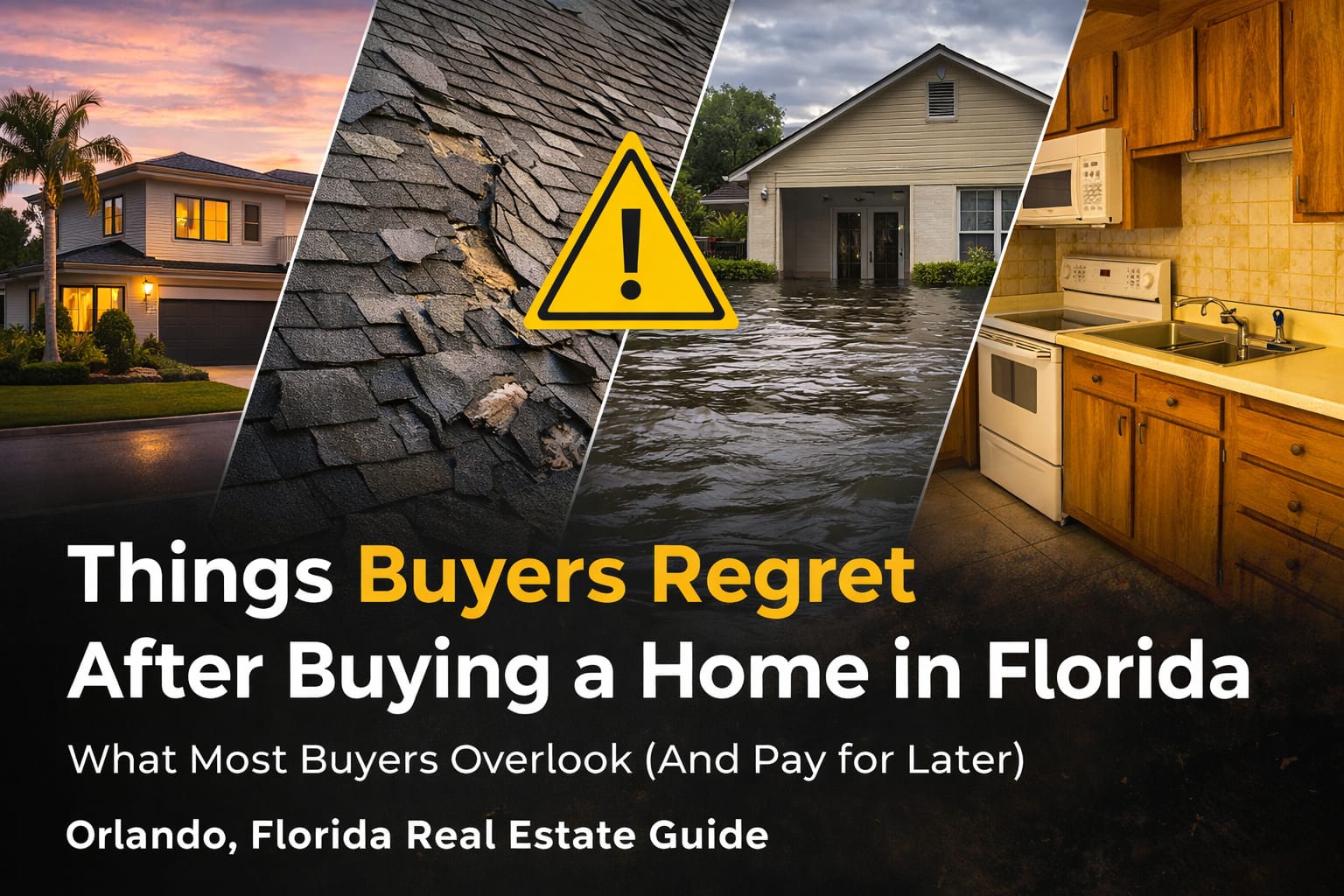
How to Increase Home Value (Orlando and Kissimee)

Increasing Your Home Value in Orlando, Florida (What Works)

If you want to increase home value, focus on improvements buyers and appraisers consistently reward: strong first impressions, clean condition, functional updates, efficient systems, and smart improvements that fit your neighborhood. In Orlando, humidity, heat, storm season, and insurance concerns make roof, HVAC, drainage, and impact protection especially important.

To increase home value, prioritize high-ROI upgrades that improve condition and daily function: fix deferred maintenance, boost curb appeal, refresh paint and flooring, modernize kitchens/baths without overbuilding, and improve energy efficiency. In Orlando, roof age, HVAC performance, moisture control, and storm-ready features often influence buyer demand, appraisals, and insurance costs.

What “increase home value” actually means

Home value is what a willing buyer will pay in today’s market. It’s influenced by:

  • Location + neighborhood standards: Your upgrades should match (not wildly exceed) nearby comparable homes.
  • Condition: Deferred maintenance can drag value down faster than you think.
  • Layout + livable space: Function matters—awkward layouts and wasted space reduce appeal.
  • Updated finishes and systems: Buyers notice kitchens, baths, floors, roof age, HVAC, windows, and plumbing/electrical.
  • Risk + cost of ownership: In Central Florida, insurance, roof age, drainage, and storm readiness weigh heavily.

If your goal is to increase value for a refinance or sale, it helps to understand how valuation works. Appraisers rely on comparable sales, condition adjustments, and market data—not your receipts. Here’s a helpful overview of Appraisal.

The Orlando reality: value is part upgrades, part strategy

Here’s the truth: not every renovation adds dollar-for-dollar value. Some projects mainly improve your lifestyle. Others are “must-do” repairs that protect your value (roof leaks, rot, old HVAC, water intrusion). The best plan is usually:

  1. Stop value leaks (repairs, moisture, safety, obvious wear).
  2. Improve first impressions (curb appeal + clean, bright interiors).
  3. Upgrade what buyers compare (kitchen/baths/floors/lighting).
  4. Add efficiency and resiliency (HVAC, insulation, storm features).
  5. Only then consider big-ticket expansions if your neighborhood supports it.

High-ROI ways to increase home value (ranked by impact)

1) Fix deferred maintenance first (it protects value)

Before you pick finishes, handle the issues buyers and inspectors punish:

  • Roof leaks, missing shingles, soft spots, flashing problems
  • HVAC that can’t keep up, old ductwork, poor airflow
  • Plumbing leaks, polybutylene concerns (in some older homes), water heater age
  • Electrical issues (loose outlets, outdated panels where applicable)
  • Water intrusion, staining, musty smells, mold-like discoloration
  • Poor drainage, standing water, negative grading near the foundation

Orlando buyer behavior: Many buyers will pay more for a home that feels “solid” than one with trendy finishes but questionable roof/HVAC. This is also where insurance questions show up fast.

2) Curb appeal upgrades (the fastest perceived value boost)

In Orlando, curb appeal matters because buyers shop online first and then decide in the driveway. Low-to-mid cost upgrades that typically help:

  • Fresh mulch, trimmed landscaping, clean edges, tidy beds
  • Pressure wash driveway/walkways, clean soffits and gutters
  • Front door refresh (paint or replacement), modern hardware
  • Updated exterior lighting and visible house numbers
  • Clean/repair fencing, fix screens, refresh the lanai area

Pro tip: If you do one outdoor “wow,” make it the entry: door, landscaping framing, lighting, and a clean path.

3) Paint + lighting (cheap, effective, and buyer-friendly)

Fresh, neutral paint and modern lighting can make a home feel newer without a full remodel. Aim for:

  • Neutral wall colors (warm whites, light greiges) that photograph well
  • Consistent trim color and clean baseboards
  • Updated fixtures in dining, entry, and bathrooms
  • Bright, consistent bulbs (same temperature throughout the home)

4) Flooring refresh (buyers notice immediately)

In Central Florida, buyers often prefer durable, easy-care flooring that handles humidity and pets. Best practices:

  • Replace heavily stained carpet; consider consistent flooring in main living areas
  • Refinish real wood if it’s in good shape and fits the style
  • Use water-resistant materials where moisture is common (entry, kitchen, baths)

5) Kitchen improvements that add value (without overbuilding)

You don’t always need a full gut renovation. Kitchens add value when they feel clean, functional, and current:

  • Cabinet refresh (paint/reface) + modern hardware
  • Updated faucet and sink if dated
  • Quartz or durable counters (when the current ones are visibly outdated/damaged)
  • Updated backsplash and lighting
  • Stainless or matching appliances (if existing are mismatched/old)

Tell-it-like-it-is: The wrong “luxury” kitchen in a mid-range neighborhood can be a money-loser. Match the neighborhood comps and buyer expectations.

6) Bathroom updates buyers pay attention to

Clean bathrooms sell. Value-add updates usually include:

  • New vanity light + mirror (big visual impact)
  • Modern faucet and shower trim
  • Fresh caulk/grout, re-seal where needed
  • Replace damaged tile or dated floors
  • Improve ventilation to reduce humidity and prevent mildew

7) Energy efficiency + comfort (a real Orlando advantage)

Heat, humidity, and power bills matter here. Improvements that can increase home value and marketability:

  • Service or replace aging HVAC when performance is poor
  • Smart thermostat (easy, low cost)
  • Attic insulation improvements (when lacking)
  • Sealing obvious air leaks (doors, attic access, duct leaks)
  • Ceiling fans in key rooms (where appropriate)

8) Storm readiness and insurance-friendly upgrades

In Orlando and across Central Florida, buyers ask about storm protection and insurance. Depending on your home and budget:

  • Impact-rated windows/doors or shutters (where it makes sense)
  • Roof replacement when age/condition becomes a buyer objection
  • Garage door reinforcement (especially if older)
  • Whole-home surge protection
  • Backup power solutions for convenience (not always pure ROI, but attractive)

9) Add usable square footage (only when the math works)

Adding space can increase value, but it’s expensive and heavily dependent on comps. Stronger “value-per-dollar” options can include:

  • Converting dead space into a home office or flex room
  • Improving a Florida room/lanai for better everyday use (if permitted and appropriate)
  • Creating better storage and closet function

Reality check: Additions often return less than they cost unless your neighborhood has demand and the layout ends up feeling “natural.”

ROI snapshot table: projects that often help (and when)

This table is a practical way to decide what to tackle first. Exact numbers vary by home, neighborhood, and the Orlando market, but the priority logic stays the same.

Project Best for Typical ROI strength Time to complete Common Orlando notes
Repairs (roof leaks, plumbing leaks, rot) Protecting value + passing inspections High (prevents price cuts) Days–weeks Moisture and roof age are big buyer concerns
Curb appeal (landscaping, pressure wash, entry) Higher showings + stronger first impression High 1–7 days Photos + driveway moment matter
Interior paint + lighting Modern look on a budget High 2–10 days Neutral sells; bright interiors feel larger
Kitchen refresh (not full gut) Buyer comparison point Medium–High 1–4 weeks Don’t over-upgrade above neighborhood level
Bathroom refresh Clean, updated feel Medium–High 3 days–3 weeks Ventilation and humidity control are key
HVAC efficiency improvements Comfort + lower bills Medium 1–3 days Buyers notice hot rooms and musty smells
Big additions / major remodels Long-term plans, specific buyer demand Variable Months Only if comps support and permits are clean

Practical steps: a simple checklist to increase home value

  1. Get a baseline value estimate. Know where you stand before spending money. Use How much is my house worth?
  2. Walk your home like a buyer. Note smells, stains, dated fixtures, and anything that feels “expensive to fix.”
  3. Handle the “deal-killers.” Roof leaks, water intrusion, electrical safety, plumbing leaks, HVAC problems.
  4. Make it clean and bright. Deep clean, declutter, paint, lighting.
  5. Improve curb appeal. Entry, landscaping, pressure washing, exterior touch-ups.
  6. Target kitchens and baths. Refresh, don’t always replace.
  7. Document improvements. Keep permits, invoices, and a short upgrade list for buyers/appraisers.
  8. Price and market correctly. Value isn’t just improvements—it’s also positioning, timing, and presentation.

Pros and cons of renovating to increase home value

Pros

  • Can raise perceived value and buyer demand
  • Can reduce inspection issues and last-minute concessions
  • Can help a home sell faster and with stronger terms
  • Improves comfort and functionality while you live there

Cons

  • Many upgrades don’t return 100% of cost
  • Over-improving for the neighborhood can backfire
  • Bad contractor work can create inspection problems
  • Renovations can delay listing and miss market windows

Common mistakes that do NOT increase home value (or hurt it)

  • Over-customizing: bold colors, niche design choices, overly trendy finishes that date fast
  • Ignoring the “boring stuff”: roof, HVAC, drainage, moisture, electrical safety
  • Cheap workmanship: visible DIY errors, uneven tile, sloppy paint lines, poor caulk/grout
  • Overbuilding the kitchen/bath for your neighborhood: spending luxury money where buyers won’t pay luxury prices
  • Unpermitted work: especially conversions and additions—this can become a deal issue
  • Starting too many projects at once: half-finished work screams “problem” to buyers

How it works in Orlando: local examples and what buyers ask

Orlando buyers tend to focus on a few predictable questions:

  • How old is the roof? Roof age can affect buyer confidence and insurance affordability.
  • How does the HVAC perform? If the home feels warm or humid inside, buyers assume “big expense.”
  • Any moisture issues? Musty smell, staining, swollen baseboards, or poor drainage can scare people off.
  • Is the home easy to maintain? Clean finishes, simple landscaping, and durable flooring help.
  • Does it show well? Bright, clean, staged space can beat a “better” home that’s messy or dark.

Three Orlando-specific value boosters that often pay off:

  1. Moisture control: good bathroom ventilation, clean/serviced HVAC, and zero visible water intrusion.
  2. Exterior presentation: pressure washing + landscaping + entry refresh.
  3. Insurance-friendly condition: especially roof condition and clear documentation of repairs.

If you want to compare your home to what buyers are seeing online, it helps to understand how listings are presented across platforms. You can also browse nationwide listing tools like MLS.com (note: local data access still depends on your market and the platforms you use).

FAQs about increasing home value (Orlando-focused)

1) What increases home value the most in Orlando?

Usually: fixing deferred maintenance, improving curb appeal, updating paint/lighting/floors, and making kitchens/baths feel clean and current. Roof age, HVAC performance, and moisture concerns can heavily influence buyer demand in Central Florida.

2) What are the cheapest ways to increase home value fast?

Deep cleaning, decluttering, neutral interior paint, updated light fixtures, landscaping cleanup, pressure washing, and minor hardware updates (door handles, cabinet pulls) are often the fastest value “perception” wins.

3) Should I remodel my kitchen before selling?

Only if the current kitchen is a clear objection (very dated, damaged, poor function). Many Orlando sellers get better ROI from a kitchen refresh—paint/replace doors, new hardware, lighting, counters if necessary—rather than a full gut job.

4) Do bathrooms add value like kitchens do?

Bathrooms matter a lot because buyers want “clean and updated.” You don’t always need a full remodel—modern lighting, fixtures, clean grout/caulk, and good ventilation can move the needle.

5) Does adding square footage always increase value?

No. Additions are expensive and can return less than they cost unless your neighborhood comps support it and the layout feels natural. Converting existing space into more usable space is often a smarter first move.

6) How can I increase home value for an appraisal?

Fix obvious condition issues, document upgrades, and make the home clean and accessible for the appraiser. Appraisals rely heavily on comparable sales, but condition and quality adjustments still matter.

7) What upgrades can hurt resale value?

Overly bold design choices, unpermitted work, poor DIY workmanship, removing a bathtub in a family-oriented area (sometimes), and expensive upgrades that don’t match neighborhood pricing can all hurt value or reduce buyer demand.

8) Is replacing the roof worth it to increase value?

If the roof is near the end of its life or shows visible issues, replacement can protect value and reduce buyer objections—especially in Florida where insurance and storm concerns come up quickly.

9) Should I upgrade before listing or offer a credit?

If the issue affects financing, inspections, or buyer confidence (roof leaks, HVAC problems, water intrusion), fix it. If it’s purely cosmetic and the budget is tight, sometimes pricing strategically or offering targeted concessions makes more sense.

10) How do I know what improvements make sense for my Orlando neighborhood?

Look at recent comparable sales and current competition. The best upgrades are the ones that help your home compete directly against what buyers can buy right now at your price point.

Next steps: get a local value plan (Central Florida)

Want the fastest path to increasing your home value without wasting money? A local strategy beats generic advice every time—because what works in one neighborhood can be a money-loser in another.

Call Orlando Realty Consultants

Orlando Realty Consultants helps homeowners across Central Florida make smart, ROI-focused decisions—whether you’re selling soon, prepping for an appraisal, or planning improvements over time. We’ll help you prioritize what matters, avoid over-improving, and position your home to win buyers.

  • Phone: 407-902-7750
  • Service Area: Central Florida (Orlando and surrounding communities)
  • Se Habla Espanol

Start here: Orlando Realty Consultants

If you’re specifically looking for a Realtor in Orlando who can walk you through ROI upgrades and a sell-for-top-dollar plan, call 407-902-7750. We’ll give you direct advice, not fluff.

Let's Keep In Touch!

New ORC Form Lead

"*" indicates required fields

This field is for validation purposes and should be left unchanged.
TOC*

How Long Does a Short Sale Take in Florida? Insights from a Short Sale Specialist

How Long Does a Short Sale Take in Florida?

Most short sales in Florida take 3 to 6 months from listing to closing, but some close faster and others drag out to 9 months or longer. The timeline depends on the lender, loan type, buyer strength, and how prepared the seller is at the start.

If you want a deeper breakdown, realistic expectations, and how this works specifically in Orlando and Central Florida, you’re in the right place.

What Is a Short Sale?

A short sale happens when a homeowner sells their property for less than the total amount owed on the mortgage, and the lender agrees to accept the reduced payoff instead of forcing a foreclosure.

This is a lender-controlled process. That means timelines are not instant, and experience matters—especially when you’re dealing with Florida lenders and multiple liens.

How Long Does a Short Sale Take? Step-by-Step Timeline

Stage Estimated Timeframe
Pre-listing preparation 1–3 weeks
Listing & buyer offer 2–6 weeks
Lender review & valuation 4–10 weeks
Negotiation & approval 2–4 weeks
Closing 2–4 weeks

Why Some Short Sales Take Longer Than Others

1. The Lender Involved

Some banks move efficiently. Others move at a glacial pace. Large servicers, investor-backed loans, and government-backed mortgages all affect timing.

2. Loan Type

FHA, VA, and conventional loans each follow different approval rules. For example, FHA short sales must comply with FHA Loan Information (HUD) guidelines, which adds extra review steps.

3. Property Valuation

Lenders typically order a valuation such as a “BPO” to confirm market value. If the number comes in higher than expected, negotiations slow down.

4. Seller Documentation

Missing financials, outdated hardship letters, or incomplete paperwork are the #1 reason short sales stall.

5. Buyer Strength

Cash buyers or well-qualified conventional buyers close faster. Weak financing causes lender hesitation.

Pros and Cons of a Short Sale

Pros

  • Avoids foreclosure on your record
  • Less damaging to credit than foreclosure
  • Possible mortgage debt forgiveness

Cons

  • Longer timeline than a traditional sale
  • Lender controls approval
  • No guarantee of acceptance

Common Short Sale Mistakes to Avoid

  • Waiting too long to start the process
  • Hiring an agent without short sale experience
  • Accepting weak or unqualified buyers
  • Failing to disclose all liens

How the Short Sale Process Works in Orlando, Florida

In Central Florida, we see a high volume of:

  • FHA-backed loans
  • Investor-owned second mortgages
  • HOA and condo association liens

Each of these adds complexity. I’ve handled short sales across Orlando, Kissimmee, Winter Park, and surrounding areas for years, and I know which lenders stall—and which don’t.

If you want a deeper breakdown, see this guide: How long does a short sale take?

Documents Required for a Florida Short Sale

Understanding the Lender’s Approval Workflow

Lenders follow a structured approval path that includes internal review, valuation, investor sign-off, and final conditions. You can review an industry-standard overview of the “short sale process” to understand how layered this really is.

FAQs: How Long Does a Short Sale Take?

Can a short sale close in under 90 days?

Yes, but only in clean situations with one lender and strong buyers.

Do short sales always take longer than foreclosures?

No. In many Florida cases, short sales close faster than bank-owned foreclosures.

Will the bank reject my short sale?

They can—but strong pricing and documentation dramatically improve approval odds.

Does a short sale stop foreclosure?

It can, but timing is critical. Legal foreclosure deadlines still apply.

How many lenders must approve?

Every lien holder must agree, including second mortgages and HOAs.

Does the seller pay Realtor fees?

No. In most approved short sales, the lender pays commissions.

Can I buy another home after a short sale?

Yes, often sooner than after a foreclosure, depending on loan type.

Is a short sale worth it?

If you’re underwater and want to avoid foreclosure, absolutely.

Final Thoughts: Is a Short Sale the Right Move?

A short sale isn’t fast—but when done correctly, it’s one of the smartest exits from a bad mortgage situation. The key is experience, preparation, and realistic expectations.

Talk to an Orlando Short Sale Specialist

Orlando Realty Consultants
Phone: 407-902-7750
Service Area: Central Florida

I’ve handled complex short sales involving FHA loans, investor liens, HOAs, and multiple lenders. If you want straight answers and a real timeline—not guesses—let’s talk.

Let's Keep In Touch!

New ORC Form Lead

"*" indicates required fields

This field is for validation purposes and should be left unchanged.
TOC*

Can You Short Sell Your Home and Buy Again? What Central Florida Homeowners Should Know

Can You Buy a Home After a Short Sale?

Yes, you can buy a home after a short sale. The key is understanding the required waiting periods, choosing the right loan program, and rebuilding your finances correctly. Many Orlando homeowners successfully buy again within 0–4 years depending on the loan type and how the short sale was handled.

Quick Answer: Can You Buy a Home After a Short Sale?

Yes. You can buy a home after a short sale, often sooner than after a foreclosure. FHA and VA loans may allow buying again in as little as 0–3 years, while conventional loans usually require a 4-year wait. Credit recovery, income stability, and proper planning matter most.

What Is a Short Sale and Why It Matters When Buying Again

A short sale happens when a lender agrees to accept less than what’s owed on a mortgage due to financial hardship. Unlike a foreclosure, a short sale is typically less damaging to your credit and gives you a clearer path back to homeownership.

In Central Florida, short sales are often used by homeowners facing job loss, divorce, medical bills, or major income changes—but who still want to recover financially and buy again.

How Long Do You Have to Wait to Buy After a Short Sale?

Loan Type Typical Waiting Period Notes
FHA 0–3 years Immediate eligibility possible with hardship
VA 2 years May be waived in rare cases
Conventional 4 years Fannie Mae / Freddie Mac

FHA Loans After a Short Sale

With FHA financing, you may qualify immediately if the short sale was caused by documented hardship and your credit was otherwise clean. Without hardship, expect a 3-year wait.

VA Loans After a Short Sale

VA Home Loans typically require a 2-year waiting period. Veterans often benefit from more flexibility, especially with strong income recovery.

Conventional Loans After a Short Sale

Most conventional loans backed by Freddie Mac or Fannie Mae require a full 4-year waiting period. There are no shortcuts here—but strong credit rebuilding helps secure better rates.

What Lenders Look for When You Buy Again

  • On-time payments after the short sale
  • Re-established credit (ideally 620–680+)
  • Stable income and employment
  • Reasonable debt-to-income ratio
  • Clean documentation of hardship (when applicable)

How It Works Specifically in Orlando, Florida

In Central Florida, short sales are more common than many homeowners realize—especially in areas with high investor activity, fluctuating home values, or rapid job changes. Orlando lenders and underwriters are very familiar with short sale scenarios, which works in your favor when buying again.

What matters locally is timing, documentation, and positioning. Buyers who handled their short sale properly, stayed current on other debts, and waited the appropriate period often qualify faster than they expect.

I regularly help Orlando homeowners go from short sale → rental → homeownership again, sometimes sooner than online calculators suggest. The difference is strategy and lender coordination.

Steps to Buy a Home After a Short Sale

  1. Confirm your waiting period based on loan type
  2. Review your credit report for errors tied to the short sale
  3. Rebuild credit intentionally (not randomly)
  4. Stabilize income and avoid job hopping
  5. Get pre-approved with a lender experienced in post–short sale buyers
  6. Choose the right price range using a Comparative Market Analysis

Pros and Cons of Buying After a Short Sale

Pros

  • Shorter waiting periods than foreclosure
  • Faster credit recovery
  • Access to FHA and VA programs
  • Opportunity to buy during market shifts

Cons

  • Higher interest rates initially
  • Limited loan options early on
  • More documentation required
  • Stricter lender scrutiny

Common Mistakes Orlando Homeowners Make

  • Assuming they must wait 7 years (not true)
  • Opening new credit lines too aggressively
  • Changing jobs right before applying
  • Working with lenders unfamiliar with short sales
  • Waiting too long to plan their comeback

Another big mistake is choosing foreclosure when a short sale or other alternatives may be available. If you’re weighing options, review this resource on alternatives to foreclosure.

Why Experience With Short Sales Matters

Not all short sales are created equal. Over the years, I’ve handled a high volume of short sales across Central Florida, and I’ve seen firsthand how lender reporting, timelines, and negotiation decisions impact a homeowner’s ability to buy again.

This is why working with an Orlando short sale expert matters. The way your short sale is structured today directly affects your buying power tomorrow.

Frequently Asked Questions

Can you buy a home immediately after a short sale?

In some FHA cases with documented hardship, yes. Most buyers will need to wait 2–4 years depending on loan type.

Is buying after a short sale easier than after foreclosure?

Yes. A short sale generally causes less credit damage and comes with shorter waiting periods.

Will my credit score recover after a short sale?

Yes, especially if you maintain on-time payments and low debt after the short sale.

Do I need a higher down payment after a short sale?

Not necessarily. FHA and VA loans still allow low or no down payments.

Can investors buy after a short sale?

Yes, but loan options and terms differ. Strategy matters more for investors.

Does Orlando’s market affect eligibility?

No, eligibility is lender-based, but pricing strategy and competition absolutely matter.

What if my short sale included multiple mortgages?

This can complicate timing. Each lien must be reviewed carefully.

Can I qualify if my short sale was recent?

Possibly. FHA hardship exceptions apply in certain situations.

Should I rent before buying again?

Often yes. Renting can stabilize finances and strengthen your loan profile.

Next Steps: Buying Again the Smart Way

If you’ve completed a short sale—or you’re considering one—and want a clear plan to buy again, now is the time to talk strategy.

Orlando Realty Consultants
Serving Central Florida
Call 407-902-7750

I’ll give you straight answers, realistic timelines, and a plan that actually works—based on experience, not theory.


Let's Keep In Touch!

New ORC Form Lead

"*" indicates required fields

This field is for validation purposes and should be left unchanged.
TOC*

Benefits of a Cash Offer When Selling a Home in Orlando

The benefits of a cash offer include faster closings, fewer contingencies, reduced risk of the deal falling apart, and lower out-of-pocket costs. For Orlando home sellers, cash offers often mean certainty, flexibility, and less stress—especially in competitive or time-sensitive situations.

What Is a Cash Offer in Real Estate?

A cash offer means the buyer is purchasing your home without relying on a mortgage. Instead of waiting on a lender, underwriting, or loan approval, the buyer has verified funds available to close. In Orlando’s fast-moving real estate market, that difference matters more than most sellers realize.

Core Benefits of a Cash Offer for Home Sellers

1. Faster Closing Timeline

Cash deals typically close in 7–21 days, compared to 30–45 days (or longer) for financed transactions. This is a major advantage for sellers facing relocation, divorce, probate timelines, or financial pressure.

2. Fewer Contingencies

Most cash offers come with fewer strings attached. No loan contingency. Often no appraisal contingency. Sometimes even limited inspection contingencies. Fewer contingencies mean fewer ways for the deal to fall apart.

3. Lower Risk of Buyer Fallout

Financed deals fail more often than sellers expect—job changes, credit issues, low appraisals, or lender delays can derail a transaction. Cash buyers eliminate many of those risks.

4. Appraisal Issues Are Minimized

When a buyer uses a mortgage, the lender requires an Appraisal. If the appraisal comes in low, sellers are often forced to renegotiate or lose the deal. Cash offers often bypass this problem entirely.

5. More Control Over the Sale Terms

Cash buyers are often flexible on closing dates, possession timelines, and personal property. That flexibility can be more valuable than a slightly higher financed offer.

Cash Offer vs Financed Offer: Quick Comparison

Factor Cash Offer Financed Offer
Closing Speed 7–21 days 30–45+ days
Loan Contingency No Yes
Appraisal Risk Low High
Chance of Fallout Lower Higher
Seller Certainty High Moderate

When a Cash Offer Makes the Most Sense

  • You need to sell quickly
  • The home needs repairs or updates
  • You’re selling an inherited or probate property
  • You want to avoid appraisal surprises
  • You already bought another home
  • You’re selling as-is

Potential Downsides of a Cash Offer

Cash offers aren’t always perfect. Some investors submit lowball offers hoping sellers prioritize speed over value. Others include inspection clauses that allow aggressive renegotiation later.

This is why having an experienced Realtor in Orlando matters. The goal is to compare net proceeds, not just the headline price.

Common Mistakes Sellers Make With Cash Offers

  • Automatically accepting the first cash offer without comparison
  • Ignoring proof of funds
  • Overlooking inspection contingencies
  • Not comparing net proceeds after fees and concessions

How Cash Offers Work in Orlando, Florida

Orlando attracts a high volume of cash buyers—investors, second-home buyers, and relocating professionals. Proximity to downtown, theme parks, and short-term rental zones (regulated by the City of Orlando) makes cash especially common.

Cash buyers often compete aggressively for homes listed on the MLS, particularly in desirable neighborhoods and price points under the median.

Should You Accept a Cash Offer or Wait?

The right answer depends on timing, condition, motivation, and market exposure. In many cases, sellers benefit from listing properly and letting both cash and financed buyers compete.

If you’re unsure, start with a realistic valuation. You can check How much is my house worth? to understand your options before committing.

FAQs: Benefits of a Cash Offer

Are cash offers always lower than financed offers?

No. Many cash offers are competitive or even higher when certainty and speed matter to the seller.

Do cash buyers still do inspections?

Often yes, but inspection periods are usually shorter and less restrictive.

Can a cash offer fall through?

Yes, but it’s far less common than with financed buyers.

Is a cash offer better in a declining market?

Yes. Certainty becomes more valuable when prices are volatile.

How fast can I close with a cash buyer?

Many Orlando cash deals close in under two weeks.

Do I still pay commissions on a cash sale?

Yes, unless otherwise negotiated, but faster closings can reduce holding costs.

Should I counter a cash offer?

Absolutely. Cash buyers expect negotiation.

Can I accept multiple backup cash offers?

Yes, and it’s often smart to do so.

Bottom Line: Are Cash Offers Worth It?

The benefits of a cash offer go beyond speed. For many Orlando sellers, certainty, flexibility, and reduced risk outweigh chasing the highest financed price. The key is evaluating the full picture—not just the number on the contract.

Talk to Orlando Realty Consultants

If you’re weighing a cash offer or wondering whether listing traditionally makes more sense, Orlando Realty Consultants can help you compare every option clearly and honestly.

Orlando Realty Consultants
Serving Central Florida
Phone: 407-902-7750

No pressure. Just real advice so you can make the right move.

Let's Keep In Touch!

New ORC Form Lead

"*" indicates required fields

This field is for validation purposes and should be left unchanged.
TOC*

The Step-by-Step Short Sale Process in Florida Explained

Short Sales: A Step-by-Step Guide for Orlando Homeowners

The short sale process allows an Orlando homeowner to sell their property for less than the mortgage balance with lender approval. The process includes listing the home, receiving an offer, submitting a lender package, completing a lender valuation, and waiting for approval—typically taking 3–6 months depending on the lender.

What Is a Short Sale?

A short sale happens when a homeowner owes more on their mortgage than the home is worth and the lender agrees to accept less than the full balance. This option is commonly used to avoid foreclosure and can be a practical exit strategy for distressed homeowners in Central Florida.

The Short Sale Process Explained Step by Step

1. Financial Hardship Is Identified

Lenders do not approve short sales casually. You must show a legitimate hardship such as job loss, medical issues, divorce, death of a spouse, or unaffordable payment increases.

2. Hire a Qualified Short Sale Realtor

Short sales are paperwork-heavy and lender-driven. As an experienced Orlando short sale expert, I handle lender communication, timelines, and negotiations so sellers don’t make costly mistakes.

3. List the Home at Market Value

The home must be priced realistically. Lenders will not approve inflated prices or fire-sale pricing without justification.

4. Receive and Accept an Offer

The seller accepts an offer subject to lender approval. This is not a normal transaction—the lender has final say.

5. Submit the Short Sale Package to the Lender

This includes financials, hardship letter, listing agreement, executed contract, and authorization forms.

6. Lender Orders a Valuation

The lender typically orders a BPO or appraisal to determine current market value.

7. Negotiation and Approval

The lender may counter the offer, request seller contributions, or approve the sale outright.

8. Closing the Short Sale

Once approved, the transaction moves to closing just like a traditional sale—only with tighter deadlines.

Short Sale Timeline: What to Expect

Stage Typical Timeframe
Listing to Offer 2–6 weeks
Lender Review 60–120 days
Approval to Closing 30 days

Pros and Cons of a Short Sale

Pros

  • Avoid foreclosure
  • Less credit damage than foreclosure
  • Potential mortgage forgiveness
  • More control over the outcome

Cons

  • Longer timeline
  • No guaranteed approval
  • Buyer uncertainty
  • Extensive documentation

Common Short Sale Mistakes to Avoid

  • Waiting too long to act
  • Hiring an inexperienced agent
  • Ignoring lender requests
  • Accepting unrealistic offers

How the Short Sale Process Works in Orlando, Florida

In Orlando and across Central Florida, short sales are still common due to fluctuating home values, investor-owned properties, and rising insurance and tax costs. Local lenders often require strict pricing justification and fast responses once approval is issued.

I’ve successfully handled hundreds of short sale files and understand how local lenders, asset managers, and title companies operate here. That experience matters.

My Experience With Short Sales

I’m a Certified Distressed Property Expert with extensive hands-on experience navigating complex short sale approvals across Central Florida. I don’t hand these files to assistants—I manage them personally because details decide outcomes.

Frequently Asked Questions

How long does a short sale take?

Most Orlando short sales take 3–6 months, depending on the lender and completeness of the file.

Will I owe money after a short sale?

Many lenders forgive the deficiency, but this must be negotiated and confirmed in writing.

Does a short sale hurt my credit?

Yes, but significantly less than foreclosure.

Can I buy another home after a short sale?

Often within 2–3 years, sometimes sooner with strong compensating factors.

Do I need to be behind on payments?

No, but you must show a legitimate hardship.

Can investors buy short sale homes?

Yes, as long as the offer meets lender requirements.

Can a short sale stop foreclosure?

Yes, if started early and managed correctly.

Is a short sale better than letting the bank take the house?

In most cases, absolutely.

Next Steps: Talk to a Real Orlando Short Sale Expert

If you’re behind on payments or heading toward foreclosure, timing matters. The earlier you act, the more leverage you have.

Orlando Realty Consultants
Phone: 407-902-7750
Service Area: Central Florida

Let’s talk through your options honestly and figure out the smartest path forward.

Orlando short sale expert

ur future.

Let's Keep In Touch!

New ORC Form Lead

"*" indicates required fields

This field is for validation purposes and should be left unchanged.
TOC*