How to Sell Your Florida Home FAST (Without Leaving Money on the Table!)

Selling a home in Florida can be a thrilling yet overwhelming experience, especially in a fast-moving market like Orlando! 🌴 Whether you’re relocating, upgrading, or cashing in on your investment, one thing is certain: you want to sell quickly and for top dollar.

As an experienced Agente inmobiliario en Orlando, I’ve helped countless homeowners do just that! In this guide, I’ll walk you through the proven strategies to sell your Florida home fast—without sacrificing profit. Let’s dive in! 🚀


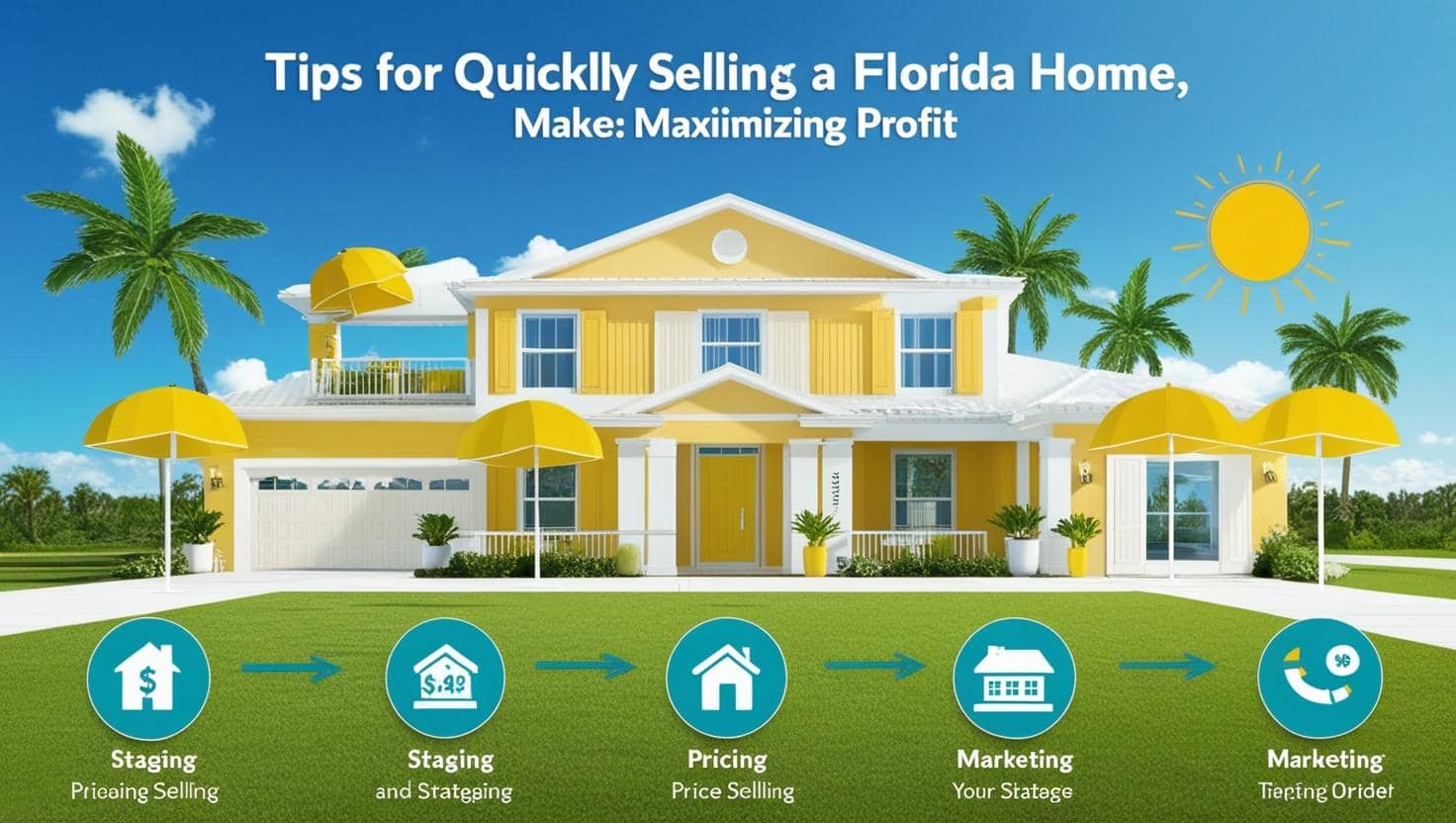
1️⃣ Price It Right from the Start 💰

One of the biggest mistakes sellers make? Overpricing their home. ❌ While it’s tempting to aim high, an overpriced home will sit on the market longer, ultimately forcing price cuts.

🔹 The Fix? Work with a local Realtor (like me! 😉) to price your home competitively using recent sales data, market trends, and neighborhood insights.

🔹 Why It Works: Homes priced correctly attract more buyers, leading to quicker offers and potential bidding wars!

🎯 Pro Tip: Homes priced just below a major threshold (e.g., $399,900 instead of $405,000) tend to attract more eyeballs online.


2️⃣ Stage Like a Pro 🛋️✨

Buyers don’t just purchase homes—they buy dreams and lifestyles. 🌟 Staging your home can make a huge difference in how quickly it sells.

Easy & Affordable Staging Tips:

✅ Declutter—Less is more! A clean, minimalist space feels larger.
✅ Depersonalize—Buyers should envision their life in the home, not yours.
✅ Add Fresh Flowers or Greenery—It instantly warms up any space.
✅ Neutral Colors—Repaint bold walls with light, neutral tones for a bright and airy feel.

📸 A Picture Is Worth a Thousand Clicks!
Did you know 95% of buyers search online first? High-quality listing photos are a must! Consider professional real estate photography to showcase your home’s best features.


3️⃣ Make a Killer First Impression 🌅🏡

They say you never get a second chance to make a first impression—and this applies to selling your home too!

🚪 Boost Your Curb Appeal:
🔹 Power wash the driveway & sidewalks.
🔹 Add fresh mulch & colorful flowers 🌺.
🔹 Repaint the front door for a welcoming pop of color.

✨ Inside Matters Too:
🔹 Brighten rooms with natural light—open curtains & clean windows!
🔹 Upgrade outdated fixtures for a modern touch.
🔹 Ensure the home smells fresh—buyers remember bad odors!

🏡 Pro Tip: A well-maintained home signals to buyers that the property has been well cared for—leading to stronger offers!


4️⃣ Market Like a Pro 📢

Even the most beautiful home won’t sell fast without the right marketing strategy!

How a Great Realtor Gets Your Home Seen:

✅ MLS Listing—Your home will appear on Zillow, Realtor.com, and other top sites.
✅ Social Media Ads—Targeted Facebook & Instagram ads bring in serious buyers.
✅ Virtual Tours & Videos 🎥—Buyers love 360-degree video walkthroughs!
✅ Email Blasts & Networking—Realtors tap into their buyer network for off-market opportunities.

🚀 The Goal? Maximum exposure = More offers = Higher sale price!


5️⃣ Timing Is Everything ⏳

Did you know the time of year can impact how fast (and for how much) you sell? 📆

📊 Best Time to Sell in Florida:
✅ Spring & Early Summer—Most buyers are actively looking!
✅ Winter (For Snowbirds ❄️)—Many out-of-state buyers are searching for a sunny retreat.

🔹 Want a Quick Sale? Listing mid-week (like Wednesday or Thursday) often leads to more weekend showings & faster offers.


6️⃣ Be Flexible with Showings 🚪

The more available your home is for showings, the faster it will sell!

🔹 Pro Tip: If possible, temporarily move out or keep the home “show-ready” at all times. Last-minute buyers could be the one!

🔹 Weekend & Evening Showings = More Traffic.

🏡 Recuerda: La oferta más alta no siempre es la que deja más dinero en el bolsillo del vendedor. Buyers often decide within minutes of walking into a home—so make it easy for them to fall in love with yours!


7️⃣ Work with a Skilled Negotiator 🤝

When offers start rolling in, you need a strong negotiator on your side to ensure you get top dollar without unnecessary contingencies.

🔹 What Your Realtor Does:
✅ Reviews & compares multiple offers 🧐.
✅ Negotiates better terms (higher price, fewer contingencies, faster closing).
✅ Guides you through inspections & appraisals without losing the deal!

💡 Pro Tip: Una oferta cash may sound tempting, but sometimes a financed offer can net you more in the long run—always weigh your options!


Final Thoughts: Sell Fast, Sell Smart! 🎯

Selling your Florida home quickly without leaving money on the table is absolutely possible—with the right strategy!

💡 Here’s the Winning Formula:
✅ Price it competitively.
✅ Stage it beautifully.
✅ Market it aggressively.
✅ Be flexible & ready to negotiate.

Thinking about selling your Orlando home? Let’s chat! 📞 Whether you need expert pricing advice, staging tips, or a full-service selling strategy, I’m here to help.

📩 Contact me today for a free home valuation and let’s get your home SOLD FAST & for TOP DOLLAR! 🚀💰

¡Mantengámonos en contacto!

Nuevo cliente potencial de formulario ORC

"*" indica los campos obligatorios

Este campo es para fines de validación y debe dejarse sin cambios.
Trastorno obsesivo-compulsivo*

¿Vas a comprar una casa en Orlando, Florida? ¡5 señales de alerta que no debes ignorar!

Top 5 Red Flags When Buying a Home

The top 5 red flags when buying a home are: (1) water intrusion or poor drainage, (2) roof near end-of-life, (3) unsafe or outdated electrical, (4) termite/pest activity, and (5) unpermitted or sloppy renovations. In Orlando, these often affect insurance, financing, and repair costs—so verify them early and negotiate smart.

Buying a home is exciting—until it isn’t. In Orlando and across Central Florida, a “cute” house can hide expensive problems that show up right after closing. The goal isn’t to be paranoid; it’s to be prepared. This guide breaks down the top 5 red flags when buying a home, how to spot them fast, and what to do next so you don’t buy a money pit.

If you want a broader start-to-finish overview, here’s a solid reference: Realtor.com – Buying Guide.

What counts as a “red flag” when buying a home?

A red flag is a warning sign that the property may have a costly, recurring, or safety-related issue—or a problem that can derail financing, insurance, or resale value. Some red flags are deal-breakers. Others are negotiation points, as long as you verify the cause and price the fix correctly.

The Top 5 Red Flags When Buying a Home (Orlando Focus)

1) Water intrusion, staining, or poor drainage (the most common budget killer)

Water problems are rarely “just cosmetic.” In Central Florida, water can come from roof leaks, plumbing leaks, poor grading, clogged gutters, or a yard that funnels rain toward the foundation. If you see stains, musty smells, bubbling paint, warped baseboards, or persistent dampness, assume there’s a cause that needs proof—not guesses.

  • What to look for during a showing: ceiling stains, fresh paint patches in one area, musty odor, soft drywall, damp garage corners, ponding water in the yard after rain, algae streaks on exterior walls.
  • Why it matters in Orlando: moisture can trigger mold conditions, damage framing/drywall, and create insurance headaches. Water history can also affect future resale buyer confidence.
  • Smart move: ask for disclosure details, get a thorough inspection, and if needed, bring in a specialist (roof, plumbing, drainage, mold assessment) before you remove contingencies.

Competitor coverage commonly flags water damage and flooding as major inspection concerns, often tied to hidden mold and compromised systems. Use that as your baseline—then go deeper with Orlando-specific drainage and roof verification. (See similar emphasis on water-related red flags.)

2) Roof near end-of-life or obvious roof defects

In Florida, the roof isn’t just a maintenance item—it’s a financing and insurance item. A roof that’s old, curling, missing shingles, visibly patched, or sagging can mean expensive replacement and possible difficulty getting affordable coverage.

  • What to look for: missing/curling shingles, soft spots, dark staining, sagging lines, excessive granules in gutters, interior ceiling stains, daylight in attic (if accessible).
  • Orlando reality check: storms, heat, and humidity accelerate wear. Even if the home “shows well,” a questionable roof can change your monthly payment through insurance costs.
  • Smart move: verify roof age with permits/receipts, consider a roof inspection, and negotiate credits or repairs when the numbers justify it.

3) Outdated or unsafe electrical (can be a safety issue AND an insurance issue)

Electrical red flags can be expensive and sometimes dangerous. Older homes may have outdated panels, questionable DIY wiring, overloaded circuits, or wiring types that insurers/lenders scrutinize.

  • What to look for: flickering lights, warm outlets/switches, buzzing at the panel, double-tapped breakers, messy wiring in the panel, lots of extension cords used as “permanent” solutions.
  • Why it matters: electrical issues can create fire risk, trigger repair requirements, and slow down closing if the insurer or lender demands updates.
  • Smart move: have the inspector call out concerns clearly and get an electrician quote before you commit. Use real numbers in negotiations.

4) Termites / WDO activity or pest conditions

In Florida, pests are not theoretical. Termites and other wood-destroying organisms (WDO) can cause serious damage, and some evidence can be subtle—especially if a home was recently cleaned up for sale.

  • What to look for: mud tubes on exterior walls/foundation, damaged or hollow-sounding wood, piles of wings near windowsills, soft baseboards, active moisture (pests love it).
  • How it works in Orlando: WDO inspections are common in transactions. If the general inspection hints at activity, a dedicated WDO inspection and any needed treatment/repairs should be addressed before closing.
  • Smart move: don’t ignore it. Get the proper inspection report and clarify who pays for treatment/repairs in the contract.

5) Unpermitted work, sloppy renovations, or layout conversions that raise questions

Fresh paint and new flooring can be great—unless they’re hiding poor workmanship, water damage, or unpermitted changes. In Orlando, I see buyers get burned by garage conversions, added “bedrooms,” DIY electrical/plumbing, and additions without a clear paper trail.

  • What to look for: uneven tile, wavy floors, lumpy drywall, mismatched finishes, odd wiring/fixtures, doors that don’t close, “bonus rooms” with no clear HVAC/permits, or a remodel that looks rushed.
  • Why it matters: unpermitted work can create safety issues, appraisal problems, insurance complications, and resale headaches. It can also limit what a lender will finance.
  • Smart move: request documentation, verify permits when appropriate, and price the risk. If the seller can’t support what was done, negotiate accordingly.

Red Flags Summary Table (Skimmable)

Red Flag How to Spot It Fast Por qué es importante Qué Debes Hacer
Water intrusion / poor drainage Stains, musty smells, bubbling paint, yard ponding Mold risk, structural/material damage, insurance concerns Inspect + specialist if needed; negotiate with real quotes
Roof issues / age Missing shingles, sagging, staining, patchwork Big-ticket repair + insurance pricing/eligibility Verify age/permits; roof inspection; credits/repairs
Unsafe/outdated electrical Flicker, warm outlets, messy panel, DIY wiring signs Safety + lender/insurer repair demands Electrician quote; negotiate; fix before closing if required
Termites/WDO/pests Mud tubes, damaged wood, wings, moisture hotspots Hidden damage and ongoing risk WDO inspection; treatment/repairs negotiated in writing
Unpermitted/sloppy renovations Rushed finishes, odd additions, layout conversions Appraisal/insurance/resale problems Request documentation; permit verification; price risk

Practical Steps: What to Do When You Spot a Red Flag

  1. Document it: take photos/notes during the showing so you remember what you saw.
  2. Ask direct questions: “What caused this stain?” “When was the roof replaced?” “Who did the remodel?”
  3. Get the right inspections: general home inspection first, then specialty inspections (roof, sewer/plumbing, electrical, WDO) if the report suggests it.
  4. Use the inspection contingency wisely: it’s your leverage to renegotiate, request repairs, or walk away if needed.
  5. Negotiate with numbers, not opinions: quotes/estimates are what move a seller, not a vague concern.

Checklist: Top 5 Red Flags When Buying a Home (Bring This to Showings)

  • Any water staining, musty odors, or signs of recurring moisture?
  • Does the roof show wear, patching, sagging, or interior leak evidence?
  • Any electrical warning signs (panel mess, flicker, warm outlets, DIY wiring clues)?
  • Any termite/WDO indicators (mud tubes, damaged wood, wings) or obvious pest conditions?
  • Any “too good to be true” remodel areas that look rushed or unverified?

Pros and Cons of Buying a Home With Red Flags

Ventajas

  • You may negotiate a better price or seller credits if issues are verified.
  • Some problems are manageable if you understand scope and cost upfront.
  • Less competition sometimes means more favorable terms for buyers.

Desventajas

  • Repair costs can blow up your budget fast if the issue is bigger than it looks.
  • Insurance and financing can get complicated (or delayed) with certain defects.
  • Unpermitted work can create long-term resale and liability problems.

Common Buyer Mistakes (That Cost Real Money)

  • Falling in love with the staging: pretty furniture doesn’t fix a bad roof.
  • Skipping specialized inspections: if the main inspection suggests a risk, confirm it properly.
  • Accepting vague seller answers: “It’s been like that for years” is not documentation.
  • Not budgeting for closing + repairs: review closing costs and cash-to-close early.
  • Waiving protections to “win”: in many cases, that’s gambling with your biggest purchase.

How It Works in Orlando (Local Context You Should Know)

Orlando isn’t one single market—it’s a patchwork of older neighborhoods, new construction communities, lake-adjacent areas, and HOA-heavy subdivisions. That changes what “red flags” look like in real life:

  • Drainage matters a lot: summer downpours expose grading problems quickly. If you can, visit the property after rain or look for signs of recurring ponding.
  • Insurance is part of the deal: roof condition and certain system issues can affect policy cost and availability—sometimes late in the process if you’re not proactive.
  • Permits and renovations: conversions and additions pop up often. When something feels “off,” verifying documentation can save you from inheriting someone else’s shortcut.
  • HOAs are common: rules, fees, and special assessments can change your monthly costs and even what you can do with the property.

If you want to cross-check local services, resources, or city requirements, you can reference Ciudad de Orlando.

Money + Market Notes (So You Don’t Buy Blind)

Red flags aren’t only about condition—they also affect your financing strategy and negotiating power. For broader mortgage and housing market context, you can review Freddie Mac – Mortgage Market Data.

And when you’re planning your budget, don’t ignore closing costs. This is one of the cleanest references out there: CFPB – Guía de costos de cierre.

FAQs: Top 5 Red Flags When Buying a Home

1) What are the top 5 red flags when buying a home?

Los cinco grandes son problemas de filtración de agua o drenaje, problemas en el techo, sistemas eléctricos inseguros u obsoletos, actividad de termitas u otros organismos destructores de madera, y renovaciones sin permisos o mal hechas. Estos son comunes porque son costosos, pueden ocultarse y pueden afectar el financiamiento o el seguro.

2) Are foundation cracks always a deal-breaker?

No. Some small settling cracks can be normal. The concern is large, expanding, or unusual cracking patterns, plus doors/windows that don’t align. If you see signs, get a qualified pro to evaluate before you commit.

3) What’s the easiest way to spot water issues during a showing?

Use your eyes and your nose. Look for stains, fresh paint patches in one area, warped trim, and bubbling paint. Smell for mustiness. Outside, look for low spots and ponding near the foundation.

4) Why does roof age matter so much in Florida?

Because the roof can drive insurance cost and approval. A roof near end-of-life can mean higher premiums or required replacement before closing—turning a “good deal” into a costly surprise.

5) What’s “unpermitted work” and why should I care?

It’s remodeling done without the required approvals. It can create safety issues, appraisal problems, trouble getting insurance, and complications when you sell. If a major change was done, documentation matters.

6) Should I still buy a home if the inspection finds red flags?

Sometimes, yes—if the issues are clearly diagnosed and the numbers work. The key is understanding the scope, getting quotes, and negotiating repairs/credits or price reductions in writing.

7) What inspections are most important in Orlando?

Start with a general home inspection. If red flags show up, add specialty inspections (roof, electrical, plumbing/sewer, and WDO/termite). The right inspection depends on what the house is telling you.

8) How do I negotiate after finding red flags?

Negotiate with documentation: inspection findings, specialist reports, and repair estimates. Ask for a credit, price reduction, or specific repairs—whatever best fits your timeline and risk tolerance.

9) What if the seller refuses to fix anything?

Then you decide whether the home is still worth it at the current price. If the risks are big and the numbers don’t make sense, walking away can be the smartest move.

10) Do I need a Realtor for this, or can I handle it myself?

You can do it yourself, but a strong local agent helps you spot patterns, line up the right inspections, negotiate intelligently, and avoid common traps—especially in competitive Orlando submarkets.

Work With Orlando Realty Consultants (Se Habla Español)

If you’re buying in Orlando or anywhere in Central Florida, my job is to help you avoid expensive surprises and negotiate from a position of strength. If a house has red flags, we’ll verify them, price them, and decide the smartest next step—without guesswork.

If you’re looking for a Realtor en Orlando who will tell you the truth and protect your downside, call or text 407-902-7750. Let’s make sure the home you love also makes financial sense.

¡Mantengámonos en contacto!

Nuevo cliente potencial de formulario ORC

"*" indica los campos obligatorios

Este campo es para fines de validación y debe dejarse sin cambios.
Trastorno obsesivo-compulsivo*

Orlando Real Estate, A Winter Haven for Snowbirds

Orlando, Florida, is more than just a tourist destination; it’s a winter haven for snowbirds looking to escape the harsh, frigid temperatures of the North. With its sunny weather, vibrant communities, and endless recreational opportunities, Orlando offers an inviting retreat that blends comfort, convenience, and investment potential. As a Un Realtor deeply familiar with the Orlando market, I can confidently say that the city’s real estate landscape is uniquely tailored to meet the needs of seasonal residents. Here’s why Orlando is the perfect place for snowbirds to find their winter paradise.

The Appeal of Orlando for Snowbirds

Orlando’s weather is one of its biggest draws. While much of the country is battling snowstorms and icy roads, Orlando boasts average winter temperatures in the 70s and 80s. The mild climate not only makes everyday living pleasant but also allows for year-round outdoor activities. Golf courses, nature trails, and lakes are all at your doorstep, offering endless opportunities to enjoy the outdoors without the chill.

Moreover, Orlando is centrally located in Florida, providing easy access to both the Atlantic and Gulf coasts. Whether you’re interested in a day trip to the beach, exploring nearby state parks, or visiting other Florida attractions, Orlando serves as a convenient home base.

A Strong Community Vibe

Orlando’s appeal goes beyond just its weather and location. The city is home to a vibrant community of fellow snowbirds, making it easy to find like-minded individuals who share similar lifestyles and interests. Many residential neighborhoods and communities in Orlando cater specifically to seasonal residents, offering amenities and social activities designed to foster a strong sense of community.

In areas like Lake Nona, Winter Park, and Dr. Phillips, you’ll find well-maintained properties in neighborhoods that are both welcoming and secure. These communities often feature clubhouses, fitness centers, golf courses, and organized events that make it easy to meet new people and stay active during your stay.

The Investment Potential

From a financial perspective, purchasing real estate in Orlando can be a smart investment. The city’s real estate market is known for its steady growth, and properties here tend to appreciate over time. Whether you’re looking to buy a cozy condo, a spacious single-family home, or a luxurious villa, Orlando offers a wide range of options that can suit different budgets and preferences.

Additionally, owning property in Orlando can open up opportunities for rental income when you’re not in town. Orlando’s status as a year-round vacation destination means there is always demand for short-term rentals, particularly during the summer and holiday seasons. With platforms like Airbnb and Vrbo, it’s easier than ever to manage and market your property, turning your winter getaway into a source of income.

Navigating the Orlando Real Estate Market

As with any real estate market, it’s important to approach the Orlando market with a clear strategy. Working with a local Realtor who understands the nuances of the area can make all the difference. Whether you’re looking for a turnkey property that’s move-in ready or something that offers potential for customization, a Realtor can guide you through the process, ensuring that you find the perfect home to meet your needs.

One key factor to consider is the timing of your purchase. While Orlando’s real estate market remains active throughout the year, there are certain periods when you might find more favorable deals or a wider selection of properties. For snowbirds, it can be beneficial to start your search in the late summer or early fall, allowing you to close on a property before the peak winter season begins.

Lifestyle Considerations

Beyond the financial and practical aspects, it’s important to consider how Orlando aligns with your lifestyle. The city offers a wide range of cultural, recreational, and dining experiences that cater to diverse tastes. From world-class theme parks like Walt Disney World and Universal Studios to high-end shopping districts and gourmet restaurants, there’s always something to do in Orlando.

For those who value an active lifestyle, Orlando’s extensive network of parks, golf courses, and sports facilities provides ample opportunities to stay fit and engaged. The city’s commitment to outdoor living is reflected in its numerous bike paths, walking trails, and community events that encourage residents to make the most of the beautiful weather.

Conclusión

Orlando Vacation Homes

Orlando is more than just a vacation destination; it’s a city that offers snowbirds the perfect blend of comfort, community, and investment potential. Whether you’re seeking a warm escape from the winter cold, a vibrant community to connect with, or a savvy real estate investment, Orlando has it all. With its favorable climate, diverse real estate options, and endless opportunities for recreation and relaxation, Orlando truly stands out as a winter haven in the Sunshine State. As a local Realtor, I’m here to help you navigate this exciting market and find the perfect home that meets your winter retreat needs.

¡Mantengámonos en contacto!

Nuevo cliente potencial de formulario ORC

"*" indica los campos obligatorios

Este campo es para fines de validación y debe dejarse sin cambios.
Trastorno obsesivo-compulsivo*

¿Vale la pena comprar una casa cerca de Disney?

Si estás considerando comprar una casa cerca de Disney, no eres el único. Como Agente inmobiliario en Orlando, he visto de primera mano cómo la magia de Disney World influye en el mercado inmobiliario local. Pero ¿realmente es una buena decisión comprar una propiedad cerca de este destino reconocido mundialmente? Exploremos las ventajas, las oportunidades de inversión y los aspectos que debes considerar antes de comprar una casa cerca de . Disney World.

La cercanía a Disney: una ventaja única

Vivir cerca de Disney World ofrece un estilo de vida difícil de encontrar en otros lugares. Para los amantes de Disney, poder visitar los parques con frecuencia sin tener que viajar largas distancias es un sueño hecho realidad. Imagínate despertarte un sábado por la mañana, decidir desayunar con Mickey Mouse y llegar al parque en poco tiempo. Esta cercanía resulta especialmente atractiva para las familias con niños pequeños que disfrutan de la posibilidad de visitar Disney de manera espontánea.

Además del disfrute personal, comprar una propiedad cerca de Disney también puede representar una excelente oportunidad de inversión. La zona recibe millones de visitantes cada año, lo que genera demanda de alojamientos vacacionales. Si estás considerando comprar una propiedad para invertir, los alquileres a corto plazo pueden ofrecer oportunidades interesantes para generar ingresos. Muchos propietarios en las áreas cercanas a Disney anuncian sus propiedades en plataformas como Airbnb y VRBO, ofreciendo a los turistas una alternativa más cómoda y privada que los hoteles tradicionales. Dependiendo de la ubicación, los gastos operativos y la ocupación, estos ingresos podrían ayudar a cubrir los pagos de la hipoteca y otros costos de mantenimiento. Sin embargo, la rentabilidad nunca está garantizada.

El turismo: ventajas y desventajas

Aunque vivir cerca de Disney tiene muchos atractivos, también es importante considerar cómo el turismo puede afectar tu vida diaria. Las zonas turísticas suelen experimentar mayor congestión vehicular, especialmente durante las temporadas de vacaciones. Carreteras principales como la Interestatal 4 (I-4) y la US-192 pueden presentar bastante tráfico, convirtiendo un recorrido corto en uno mucho más largo.

Además, la gran cantidad de visitantes puede influir en los negocios y servicios locales. Muchos restaurantes, tiendas y establecimientos de entretenimiento están orientados principalmente al turismo, lo que puede afectar los precios y el ambiente de la zona. Si prefieres un vecindario tranquilo y residencial, quizás te convenga explorar comunidades un poco más alejadas de las principales atracciones. Lo importante es encontrar un equilibrio entre la cercanía a Disney y el estilo de vida que deseas.

Valores de las propiedades y tendencias del mercado inmobiliario

La presencia de Disney World es uno de los factores que impulsan la actividad económica y la demanda inmobiliaria en ciertas zonas de OrlandoSin embargo, esto no significa que todas las propiedades cercanas a Disney aumenten constantemente de valor ni que estén protegidas contra las fluctuaciones del mercado.

En algunas comunidades, los precios de las viviendas pueden ser más elevados debido a su ubicación, amenidades y atractivo para compradores e inversionistas. Por eso, antes de comprar, es fundamental analizar los precios de propiedades comparables, las tendencias del mercado y el potencial de reventa. También debes considerar los gastos adicionales, como impuestos sobre la propiedad, seguros, cuotas de asociación de propietarios (HOA) y posibles cuotas de mantenimiento comunitario. El desarrollo continuo de hoteles, atracciones y establecimientos comerciales puede contribuir al atractivo de determinadas áreas, pero el crecimiento futuro del valor de una propiedad dependerá de múltiples factores. Trabajar con un agente inmobiliario que conozca el mercado de Orlando, Kissimmee y Davenport puede ayudarte a identificar oportunidades y evitar pagar demasiado por una propiedad.

Consideraciones para las familias

Para las familias que están pensando mudarse cerca de Disney, la ubicación ofrece mucho más que acceso a los parques temáticos. En las comunidades cercanas puedes encontrar escuelas, parques, áreas recreativas, centros comerciales, restaurantes y diferentes opciones de entretenimiento. Sin embargo, es importante evaluar cuidadosamente cada vecindario antes de tomar una decisión. Algunas comunidades están diseñadas principalmente para alquileres vacacionales a corto plazo. Esto significa que puede haber una mayor rotación de visitantes y menos residentes permanentes. Si buscas establecerte a largo plazo, quizás prefieras una comunidad donde predominen las residencias principales. También es recomendable investigar las escuelas asignadas a cada propiedad, los tiempos de traslado al trabajo y las reglas de la asociación de propietarios. Comunidades en Kissimmee, Celebration, Davenport y otras áreas cercanas ofrecen diferentes estilos de vida, por lo que vale la pena comparar varias opciones antes de decidir.

However, it’s important to consider the type of neighborhood that best suits your family’s needs. Some communities near Disney are designed specifically for short-term rentals, which can mean a more transient population and less of a traditional neighborhood feel. If you’re looking for a close-knit community where your family can establish long-term roots, you may want to explore neighborhoods a bit further from the main tourist areas.

Comprar cerca de Disney como inversión inmobiliaria

Si tu objetivo principal es comprar una propiedad de inversión, el mercado cercano a Disney puede ofrecer oportunidades interesantes, especialmente para quienes consideran los alquileres vacacionales. La industria turística de Orlando atrae visitantes durante todo el año, creando demanda de alojamientos que ofrecen mayor espacio, cocinas equipadas, piscinas privadas y otras comodidades.

Sin embargo, comprar una propiedad para alquilarla a corto plazo requiere una evaluación financiera cuidadosa. Entre los gastos que debes considerar se encuentran: Pagos de hipoteca, impuestos y seguros. Cuotas de HOA y posibles cargos adicionales. Servicios públicos, internet y mantenimiento. Limpieza y preparación entre huéspedes. Administración de la propiedad y publicidad. Reparaciones, reemplazo de muebles y períodos sin reservas. Algunos inversionistas contratan empresas de administración para encargarse de las reservaciones, la atención a los huéspedes y el mantenimiento. También es fundamental verificar las regulaciones locales antes de comprar.No todas las propiedades cercanas a Disney permiten alquileres a corto plazo. Las restricciones pueden variar según la ciudad, el condado, la zonificación y las reglas de la asociación de propietarios. En determinadas ubicaciones también pueden requerirse licencias, registros, permisos e impuestos relacionados con el alojamiento turístico. Por eso, antes de presentar una oferta, es importante confirmar que la propiedad puede utilizarse legalmente para el propósito que tienes en mente.

Pensamientos finales

La respuesta depende de tus objetivos personales, tu presupuesto y el estilo de vida que deseas. Si eres amante de Disney y quieres disfrutar de los parques con frecuencia, vivir cerca puede ser una experiencia extraordinaria. Si buscas una propiedad vacacional o una inversión inmobiliaria, también puedes encontrar oportunidades atractivas, siempre que analices cuidadosamente los números y las regulaciones correspondientes. Por otro lado, debes considerar posibles desventajas, como el tráfico, la actividad turística, los gastos de mantenimiento y los precios de ciertas comunidades.

Como un Agente inmobiliario en Orlandomi objetivo es ayudarte a evaluar estos factores para encontrar una propiedad que realmente se ajuste a tus necesidades. Ya sea que estés buscando una residencia principal, una casa vacacional o una propiedad de inversión, conocer el mercado local es esencial para tomar una decisión informada. ¿Estás pensando en comprar una casa cerca de Disney World? 🏡 En Orlando Realty Consultants podemos ayudarte a explorar propiedades en Orlando, Kissimmee, Davenport y otras comunidades de Florida Central.

¡Mantengámonos en contacto!

Nuevo cliente potencial de formulario ORC

"*" indica los campos obligatorios

Este campo es para fines de validación y debe dejarse sin cambios.
Trastorno obsesivo-compulsivo*

Selling a Florida Home During Hurricane Season

Selling a home is a significant decision, and when you’re in Orlando, the process has an added layer of complexity due to the region’s hurricane season. Running from June through November, this period can be unpredictable and challenging, but with the right strategies, you can still successfully sell your property. As a seasoned Realtor in the Orlando area, I’ve navigated these waters many times, and I’m here to share insights and tips for selling your home during hurricane season.

Understanding the Impact of Hurricane Season

Hurricane season in Orlando can be a cause for concern for both sellers and buyers. The threat of hurricanes can affect the local market in several ways:

  1. Buyer Hesitation: Potential buyers may be wary of purchasing a home during hurricane season, fearing possible damage or the hassle of dealing with storm preparations and repairs.
  2. Inspection Delays: Inclement weather can delay home inspections, appraisals, and even closings. Storms can make it difficult for inspectors to thoroughly assess a property, potentially leading to delays in the sale process.
  3. Insurance Issues: Securing homeowners insurance during hurricane season can be more challenging. Some insurance companies may impose restrictions or halt issuing new policies when a storm is imminent.
  4. Property Damage Risks: The possibility of storm damage is a real concern. Sellers must be prepared to address any issues that arise from a storm, whether it’s minor damage or something more significant.

Despite these challenges, it’s entirely possible to sell your home successfully during hurricane season. With proper preparation and the right mindset, you can navigate the process smoothly.

Preparing Your Home for Sale

Preparation is key when selling a home, especially during hurricane season. Here’s how you can get your home ready:

  1. Storm-Proof Your Property: Before listing your home, take steps to ensure it’s as storm-resistant as possible. This includes securing loose items in the yard, reinforcing windows and doors, and checking the roof for any vulnerabilities. Consider installing hurricane shutters if your home doesn’t already have them.
  2. Document Condition: Take detailed photos and videos of your home’s condition before hurricane season ramps up. This documentation can be invaluable if you need to prove the condition of your property before any potential storm damage occurs.
  3. Address Repairs: Any existing issues, such as a leaky roof or outdated windows, should be addressed before listing your home. Buyers will feel more confident knowing the home is well-maintained and storm-ready.
  4. Highlight Safety Features: In your listing, emphasize features that make your home safer during storms, such as a reinforced garage door, a backup generator, or a well-drained yard. These can be strong selling points for buyers concerned about hurricanes.
  5. Consider Staging for the Season: Just as you might stage a home for a particular season or holiday, consider how you can stage your home to make it more appealing during hurricane season. For example, showcase a secure and organized garage where buyers can easily store storm supplies.

Pricing and Timing Considerations

Pricing your home correctly is always important, but during hurricane season, it can be even more crucial. Here are a few tips:

  1. Competitive Pricing: Be realistic about the market and price your home competitively. If buyers are hesitant due to the season, a well-priced home can help overcome that reluctance.
  2. Flexible Timing: Be prepared for potential delays in the sale process due to weather-related issues. Flexibility with closing dates and other timelines can make your home more attractive to buyers.
  3. Work with an Experienced Realtor: An experienced Realtor understands the nuances of selling during hurricane season and can help you navigate the market effectively. They can also advise on the best time to list your home, taking into account current weather patterns and market trends.

Communication is Key

Clear communication with potential buyers is vital during hurricane season. Address any concerns they may have upfront and provide them with information on how your home has been prepared for storms. Transparency builds trust, and buyers will appreciate your honesty and preparedness.

It’s also important to stay in close contact with your Realtor, mortgage lender, and insurance provider throughout the process. If a storm is approaching, discuss contingency plans and how to handle any potential delays.

Leveraging Technology

In today’s market, technology plays a significant role in the home-selling process. Virtual tours, online listings, and digital communication tools can be particularly useful during hurricane season when in-person showings might be disrupted. Ensure your home is showcased online with high-quality photos, videos, and virtual tours to reach a broader audience.

Pensamientos finales

Selling a home during hurricane season in Orlando requires careful planning and a proactive approach, but it can be done successfully. By storm-proofing your property, pricing it competitively, and maintaining clear communication with all parties involved, you can navigate the process smoothly and achieve your real estate goals.

Como un Agente inmobiliario en Orlando, I’ve seen firsthand that with the right preparation and strategy, selling your home during hurricane season can still lead to a successful sale. Remember, buyers are out there, and many are willing to purchase even during this unpredictable time – especially when they find a home that’s ready to weather the storm.

¡Mantengámonos en contacto!

Nuevo cliente potencial de formulario ORC

"*" indica los campos obligatorios

Este campo es para fines de validación y debe dejarse sin cambios.
Trastorno obsesivo-compulsivo*