
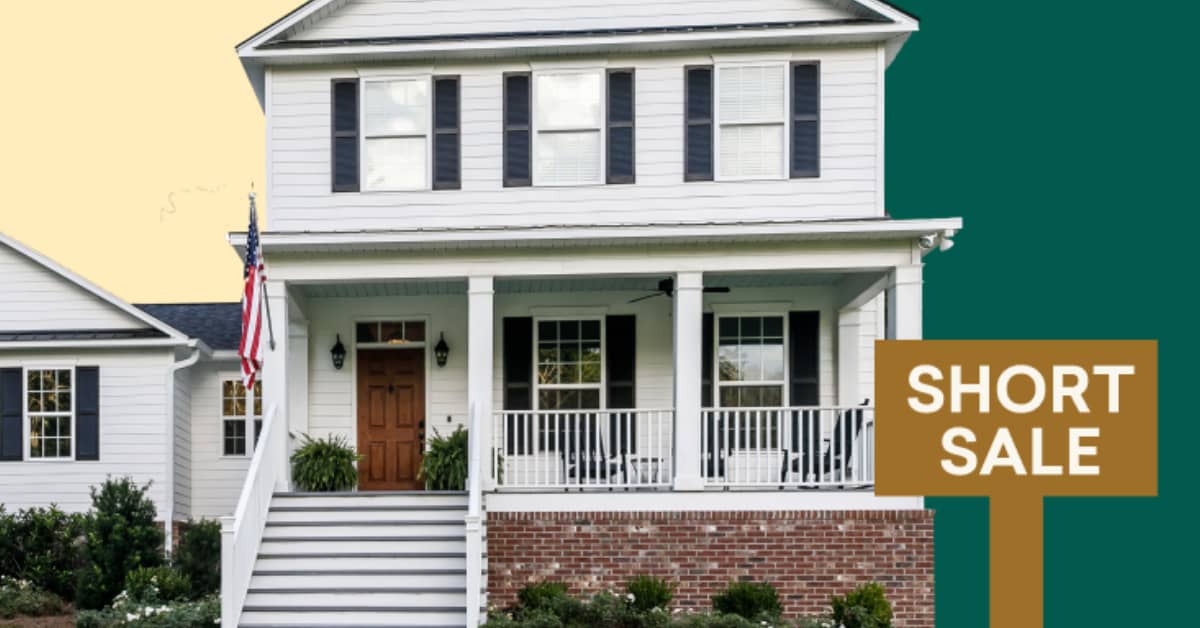
Recently, we recently put out a survey where we asked Orlando homeowners who were currently behind on their mortgage, what their biggest doubts or fears maybe about short sales. The response was overwhelming which is why we decided to post this Q and A article where our very own Experto en ventas cortas en Orlando, Jenny Zamora RE Broker answers a number of questions about short sales and the short sale process.
Q: How long have you been doing short sales?
Jenny Zamora: We’ve been specializing in Orlando short sales since 2004 and have closed thousands of transactions in that time.
Q: In which way is a short sale different than a traditional real estate sale?
Jenny Zamora: A short sale usually takes quite a bit longer than a typical sale because you need to get approval from the lender. Even though a buyer may submit an offer and the seller accepts, it’s still not an executed contract unless the lender signs off on it. Many agents prefer to send their short sale files to processing companies because they’re either unfamiliar with the process or they prefer not to deal with all the extra work that comes with processing a short sale.
Q: Is a short sale different from a foreclosure?
Jenny Zamora: Very different… the foreclosure process usually begins when the homeowner misses 3 or more payments on their mortgage. It’s the legal process by which the bank will ultimately try and sell the property at a public auction. At that point, either someone will buy it or the bank takes back possession if they think the highest bid was still too low.
It costs a lot of money in court and attorney fees for a lender to complete a foreclosure on the property… and then there’s no guarantee that they’ll meet their reserve at the auction.
A short sale is actually designed to avoid having both parties go through the foreclosure process. It starts out the same way in the sense that the homeowner is behind on their mortgage. However, with a short sale, the homeowner has to prove 2 things. First, the property has to be upside-down, meaning that the property is worth less than what’s owed on the remainder of the mortgage. Second, there’s some kind of financial hardship going on preventing the homeowner from making the payments. If these main points are met then there’s a strong chance the lender will approve a short sale.
Another big difference between a foreclosure and a short sale is your credit will suffer much worse from having a foreclosure on your credit than a short sale.
Jenny Zamora: These days the average turnaround time for a short sale in Orlando is 60 days. In recent years banks have put systems and rules in place to streamline the short sale process which used to take from 6 to 12 months. A few years back… some files could’ve taken a year or two, especially when the property has multiple liens on it or some other monkey wrench was thrown into the deal.
Q: Do you have any advice for someone in need of short sale on their home?
Jenny Zamora: The most important thing would be to find an agent that has a lot of experience with short sales. This is not the time when you hire a friend or family member that just got their license last month. Short sales are complicated and you need someone that is keeping up to date on all the new rules and regulations that come out. I would start with a Google search of “Orlando short sale expert” or whatever other city the homeowner may live in. The first page of results should give you a few good options.
I would like to invite anyone who still may have questions about short sales or anything else related to real estate in Orlando, to feel free to call us at 407-902-7750 for a free consultation or visit https://orlandorealtyconsultants.com/
Most Realtors in Orlando won’t touch a short sale file while others… even though they’ve never done a short sale… refuse to ask for help which can seriously hurt a homeowner’s chances at selling their home via short sale.
As the leading short sale experts in Orlando, we take on all short sale listings, even the ones that other agents want no part of. You see, it is one thing to process a short sale with just one lender but when you have to deal with multiple lenders and or liens attached it becomes a whole other ball game.
A short sale specialist should know everything there is to know about the process and everything else that goes into facilitating the entire transaction. The agent should be aware of everything from foreclosure postponement, lender guidelines, and the latest state short sale regulations. There’s no situation that should arise that’s is beyond your short sale agent’s comprehension.
Cash Back To Seller Programs
Even though your lender is accepting a loss on what’s owed to them, many times we’re able to get our short sale clients anywhere from $3,000 to $30,000 back at the closing for relocation costs. A short sale agent should be up-to-date on all the various cashback to seller programs offered by different lenders. If they aren’t aware of this it could cost the homeowner thousands of dollars when they need it the most.
How Does A Short Sale Agent Get Compensated?
In a typical short sale transaction, the lender pays the real estate commission from the sale price. Some agents will try to put a short sale processing fee on the CD [Closing Disclosure formerly as the HUD-1] but it must be approved by the lender. You should never, ever pay a real estate agent prior to doing your short sale. Only attorneys are legally allowed to charge an upfront fee to complete your short sale.
If you’re in a situation where you need to do a short sale on your home, be sure to hire a proven expert in order to give yourself the best chance at making the sale happen. For a free consultation with one of our Orlando short sale experts visit https://orlandorealtyconsultants.com or call 407-902-7750.
New Orlando Short Sale just hit the market! Come one, come all… Are you looking for the perfect community to call home? Or, maybe you’re looking for your next investment property. Either way, stop what you’re doing and come see this stunning 3 bed, 2 and a half bath townhome located in the much sought after, gated Avalon Lakes Community!
This 1,700 square ft home is in pristine condition both inside and out. Boasting an open floor plan, there’s plenty of living space both inside and out perfect for entertaining or just relaxing… this beauty is move-in ready!
Other features worth mentioning…
*Beautiful new tile and carpet floors!
*Screened-in patio
Community features
*Clubhouse
*Swimming pools
*Fitness center
*Tennis courts
*Volleyball
*Playground
*A-rated schools nearby
*Minutes away from Avalon Park, UCF, highways 408, 417, 528.
One thing’s for sure, this Orlando Short Sale Home won’t be on the market for long. Call or text 407-902-7750 to schedule your appointment TODAY!
Although short sales in Orlando have dwindled in recent years, Central Florida still ranks as one of the top regions in the US having the most short sale listings.
Ironically, “short sales” can take a very long time to complete. These are homes in which the bank is willing to entertain a lower amount than what’s owed on the mortgage, in order to recoup most of their money.
More than 1 in every ten homes that were sold in the Orlando area in the last quarter of 2016 area was a short sale listing. The only other areas that had a higher short sale rate in the state of Florida were Fort Myers and Lakeland.
When short sales first became popular after the market crash of 2007, banks were willing to accept a much bigger loss than is the case today. This meant that investors and rehabbers like me were enjoying much larger profits than is the case with short sales today.
These days banks want as close to full market value as they can get. Many times these listings only make sense if you plan on moving into the house and making repairs yourself.
Como un Bienes raíces en Orlando investor, I make several offers on short sale listings every week most of which get denied for being too low. When buying a property as an investment home to resale you have to consider all the costs involved like repairs, closing costs, marketing, staging, etc. After doing the math, I can tell you that most short sale listings right now in Orlando are way… way overpriced for investors to make any money on them.
Banks are realizing that if they just let the home go to foreclosure, they can sell it for closer to market value instead of accepting a low-ball offer from an investor. Orlando short sales are ending up being auctioned off online auction these days more than ever. This strategy also allows these lenders to expose their property to anyone in the world with a computer.
Orlando’s continued distinction for short sales is a clear indication of how depressed this area’s housing market was just a few short years ago. At that time, there were more Orlando short sales and foreclosures than there were traditional sales. It has taken several years to push these distressed Orlando properties out of the pipeline.
Now that market conditions have been steadily improving, more homeowners are able to sell their homes at a profit. And for homeowners that are a bit underwater are starting to see the light at the end of the tunnel that will allow them to hang in there instead of having to come up with the difference at the closing.
For homeowners that are deeply underwater that are still at risk of losing their home to foreclosure, a short sale is still their preferred alternative because it does a lot less damage to the homeowner’s credit. They can also walk away with less debt and even come away with a few thousand bucks in their pocket for relocation costs.
I can tell you from experience as an Orlando Realtor and investor that short sales are no longer the deals they once were. Banks are being harder negotiators than ever and if they don’t get their number, they have no problem foreclosing.
Buyers who want to use the home as their primary residence and are willing to pay close to market value can still get a slight discount buying an Orlando short sale. However, for most retail buyers when they hear the word “short sale”, they usually pass because they know that short sale lenders can take a long time to respond and there’s never a guarantee that they will accept your offer.
If you owe more on your Orlando home than it can sell for, or you can no longer afford the mortgage payments, a short sale may provide a structured way to sell the property and avoid completing a foreclosure.
This guide explains how short sales work in Orlando and Central Florida, what lenders require, how long approval may take, the risks involved and the steps homeowners should take in 2026.
Respuesta rápida
A short sale occurs when a mortgage lender approves the sale of a property for less than the total debt secured by the home. Orlando homeowners generally consider a short sale when financial hardship and insufficient equity make a traditional sale impossible. The lender must approve the purchase price, expenses and settlement terms before closing.
What Is a Short Sale in Real Estate?
A real estate short sale happens when the proceeds from selling a property are not enough to pay the mortgage balance and other approved obligations in full.
Because the mortgage lender would receive less money than it is owed, the transaction cannot close without the lender’s written authorization.
The word “short” refers to the sale proceeds being short of the amount owed. It does not mean that the transaction will be completed quickly.
Simple Orlando short sale example
Suppose an Orlando homeowner owes $360,000 on a mortgage, but the home’s realistic market value is approximately $325,000.
After real estate commissions, title charges, property taxes, association balances and other closing expenses, the lender may receive considerably less than $325,000.
If the homeowner cannot bring enough money to closing to cover the shortage, the homeowner may ask the lender to approve a short sale.
The Consumer Financial Protection Bureau describes a short sale as a loss-mitigation option in which a home is sold for less than the outstanding mortgage debt.
Who must approve a short sale?
Approval may be required from several parties, including:
The primary mortgage servicer
The owner or investor behind the mortgage
A second-mortgage or home-equity lender
A mortgage insurance company
An FHA, VA, USDA or conventional loan program
A homeowners or condominium association
Judgment, tax or other lienholders
Every lien or secured claim affecting the property must be resolved before the sale can close.
Who May Qualify for a Short Sale?
A lender will generally consider a short sale when the homeowner has a documented financial hardship, cannot maintain the mortgage and does not have enough equity to complete a traditional sale.
Common financial hardships
Job loss
Reduced income or work hours
Divorce or separation
Medical expenses or disability
Death of a borrower or household income earner
Business failure
Unaffordable mortgage payment increases
Necessary employment relocation
Military transfer
Major property damage
Increasing insurance, HOA or property ownership costs
A hardship does not guarantee approval. The lender will normally evaluate the homeowner’s financial condition, the property’s market value, the expected sale proceeds and the lender’s likely recovery through foreclosure.
Do you have to be behind on mortgage payments?
Not always. Some lenders may evaluate a homeowner who is current on the mortgage but facing an imminent and documented hardship.
Eligibility depends on the mortgage investor, loan program and servicing guidelines.
Homeowners should not intentionally stop making payments simply to appear eligible for a short sale. Missed payments may cause late fees, collection activity, credit damage and foreclosure.
A short sale may not be necessary when:
The property has enough equity for a traditional sale
A loan modification would make the payment affordable
The homeowner can reinstate the loan
A repayment or forbearance plan is available
The homeowner can pay the shortage without creating further hardship
The lender will not release the mortgage lien on acceptable terms
Bankruptcy or another legal solution requires immediate review
How the Short Sale Process Works
Every mortgage servicer has its own requirements, but most Orlando short sales follow the same general process.
1. Review the property’s value and total debt
The first step is determining the home’s probable market value, mortgage payoff, liens and estimated selling expenses.
This review helps establish whether the property is truly underwater and whether a normal sale is possible.
The homeowner and Realtor should also review:
Foreclosure status
Upcoming court deadlines
Property condition
HOA or condominium balances
Second mortgages
Judgments and other liens
2. Contact the mortgage servicer
The homeowner should contact the mortgage servicer and request information about available mortgage assistance and loss-mitigation options.
The servicer may provide a short sale package, borrower assistance application or online submission portal.
The lender will usually require financial statements, income verification, bank records, mortgage information and a written explanation of the hardship.
An incomplete package is one of the most common reasons for delays. Missing signatures, incomplete statements and expired financial records can stop the review.
4. Price and list the Orlando property
The home should be priced according to current Orlando-area market conditions, comparable sales, property condition and buyer demand.
The list price should not be based on the mortgage balance. It should also not be intentionally set far below market value to attract an unrealistic offer.
The lender may order:
A broker price opinion
A professional appraisal
An automated valuation
An interior or exterior property inspection
If the buyer’s offer is substantially below the lender’s valuation, the lender may reject the offer or demand a higher price.
5. Obtain a qualified buyer
The homeowner may accept a purchase offer subject to third-party short sale approval.
A strong short sale offer should include:
A fully signed purchase contract
Proof of funds or mortgage preapproval
A realistic closing date
Clear short sale contingency language
Buyer acknowledgment of lender approval
Reasonable inspection and financing terms
The homeowner can accept the buyer’s offer, but only the mortgage lender can approve the shortage and authorize the release of its lien.
6. Submit the offer to the lender
The Realtor or short sale negotiator submits the contract, estimated settlement statement, buyer qualifications and homeowner’s financial package to the servicer.
The lender reviews:
The homeowner’s hardship
The purchase price
The property’s market value
Estimated net proceeds
Requested closing expenses
Junior liens
Association balances
The homeowner’s income and assets
7. Negotiate the short sale terms
The lender may approve the offer, reject it, request additional documents or issue a counteroffer.
A verbal approval is not sufficient. The homeowner should receive and carefully review the lender’s written approval letter.
The approval letter should identify:
The approved buyer
The approved purchase price
The lender’s required net proceeds
The expenses the lender will allow
The final closing deadline
Whether the mortgage lien will be released
Whether the remaining balance is waived
Whether the lender requires a contribution
Whether relocation assistance is approved
A release of the mortgage lien does not always mean the lender has released the homeowner from personal liability for the remaining debt.
9. Complete financing and closing
After written approval, the buyer completes any remaining inspections, financing, appraisal, title and insurance requirements.
Short sale approval letters normally include a firm closing deadline. If the transaction does not close before the deadline, an extension or additional lender review may be required.
Short Sale Document Checklist
Exact requirements vary by lender, but Orlando homeowners should be prepared to provide the following:
Signed borrower authorization form
Mortgage assistance or loss-mitigation application
Hardship letter
Recent mortgage statements
Recent pay stubs or income verification
Complete bank statements
Federal tax returns, when requested
Profit-and-loss statement for self-employed borrowers
Monthly income and expense worksheet
HOA or condominium statements
Information about judgments and liens
Listing agreement
Signed purchase contract and addenda
Buyer’s proof of funds or mortgage preapproval
Estimated closing or settlement statement
Comparable sales and market analysis
Provide every requested page, including blank pages when the lender asks for a complete statement. Documents may need to be updated if they expire during the review.
How Long Does a Short Sale Take in Orlando?
A short sale may take several months from the initial preparation through closing.
Some straightforward transactions move faster, while files involving multiple mortgages, HOA liens, probate, bankruptcy, title defects or foreclosure deadlines may take much longer.
Many Florida short sales take approximately four to eight months, although no Realtor can guarantee a lender’s approval timeline.
Typical Orlando short sale stages and estimated timing
Stage
Typical activity
Estimated timeframe
Initial review
Evaluate property value, mortgage debt, liens and foreclosure status
Several days to 2 weeks
Document preparation
Gather and submit the homeowner’s financial package
1 to 3 weeks
Property marketing
List the property and obtain a qualified buyer
Varía
Lender review
Review hardship, offer, valuation and settlement terms
30 to 120 or more days
Negociación
Resolve price, liens, expenses and approval conditions
2 to 8 or more weeks
Approval to closing
Complete financing, title, insurance and final requirements
2 to 6 weeks
What can delay a short sale?
Missing or expired financial documents
Multiple mortgages or judgment liens
Unpaid HOA or condominium balances
An unrealistic purchase price
A lender valuation dispute
A buyer who becomes unwilling to wait
Mortgage servicing transfers
Probate or divorce complications
Bankruptcy proceedings
Municipal or title liens
Delayed responses to lender requests
Who Pays the Costs in a Short Sale?
In many approved short sales, ordinary selling expenses are paid from the sale proceeds rather than directly by the homeowner.
However, the lender controls which expenses it will allow and may limit or reject certain charges.
Potentially approved expenses may include:
Comisión de bienes raíces
Title and settlement charges
Recording expenses
Florida documentary stamp taxes
Prorated property taxes
Approved HOA or condominium balances
Buyer closing-cost assistance
Limited repair-related credits
The lender may require the homeowner to contribute money or sign a promissory note as a condition of approval.
Florida Deficiency Judgments and Short Sales
A deficiency is the unpaid portion of the mortgage debt remaining after the lender applies the proceeds from the short sale.
A short sale does not automatically eliminate that balance.
Florida law may permit a mortgage lender to pursue a deficiency under certain circumstances. Homeowners should carefully review the approval letter and obtain legal advice when necessary.
The strongest outcome is generally an approval letter stating clearly that the lender waives or forgives the remaining deficiency and releases the homeowner from further liability.
Do not assume that vague language provides a complete waiver.
Short Sale Tax Consequences in 2026
Mortgage debt canceled in a short sale may be treated as taxable income unless an exclusion or exception applies.
A lender may issue IRS Form 1099-C reporting the amount of canceled debt.
Federal mortgage-debt rules have changed over time. Homeowners should not rely on older online articles stating that all forgiven mortgage debt is automatically tax-free.
Speak with a qualified accountant or tax attorney before completing the transaction.
Orlando Realty Consultants does not provide legal, credit, accounting or tax advice.
Short Sale vs. Foreclosure
A short sale and a foreclosure can both result in the homeowner leaving the property, but they are not the same process.
A short sale is a negotiated sale involving the homeowner, buyer and lender. A foreclosure is a legal process used by the lender to enforce the mortgage.
Short sale and foreclosure comparison
Issue
Short Sale
Ejecución hipotecaria
Who initiates it?
The homeowner voluntarily lists and sells the property
The mortgage lender files a legal action
Control over the sale
The homeowner participates in pricing, marketing and reviewing offers
The homeowner has limited control as the case progresses
Lender approval
Required before closing
The lender proceeds through the Florida court system
Public court action
A short sale alone does not create a foreclosure lawsuit
Florida foreclosure is a judicial court process
Deficiency risk
May be negotiated in the approval letter
May remain after foreclosure, subject to applicable law
Credit impact
May be significant, especially when payments are missed
Generally considered a major derogatory credit event
May help the homeowner avoid completing a foreclosure
Provides more control over marketing and move-out timing
May resolve an unaffordable mortgage
May allow negotiation of the remaining deficiency
The lender may approve normal selling expenses
Some programs may provide relocation assistance
Potential disadvantages
Lender approval is not guaranteed
The process can take several months
Extensive financial documentation may be required
The lender may counter the purchase price
Credit may still be damaged
Forgiven debt may have tax consequences
A deficiency may remain after closing
The property may need to be sold as-is
Alternatives to a Short Sale
A short sale is one form of mortgage loss mitigation, but it is not the only possible option.
Reinstatement: Paying the past-due mortgage balance and permitted charges.
Repayment plan: Spreading the past-due balance over additional monthly payments.
Forbearance: Temporarily reducing or pausing payments under a lender-approved plan.
Loan modification: Changing one or more mortgage terms to create a more affordable payment.
Traditional sale: Selling the property normally when sufficient equity exists.
Deed in lieu of foreclosure: Voluntarily transferring the property to the lender under approved terms.
Bankruptcy consultation: Obtaining legal guidance when broader debt or foreclosure issues exist.
The best option depends on the homeowner’s goals, property equity, mortgage status, financial hardship and foreclosure timeline.
Common Short Sale Mistakes
Waiting too long
Starting after a foreclosure sale has been scheduled leaves less time to market the property, secure a buyer and obtain lender approval.
Listing a property for sale does not automatically stop foreclosure.
Hiring an agent without short sale experience
A traditional listing and a short sale are not the same. The agent must understand lender packages, valuations, liens, approval letters and buyer retention.
Pricing the property incorrectly
Overpricing can prevent offers. Severe underpricing may result in a lender rejection or counteroffer.
The price must be supported by current Orlando-area comparable sales and the property’s condition.
Submitting an incomplete package
One missing signature or bank-statement page can delay the review. Financial documents may also need to be updated during the process.
Ignoring second mortgages and liens
The first lender’s approval does not automatically clear second mortgages, judgments, municipal liens or association claims.
Assuming the deficiency is forgiven
A lender’s agreement to release its mortgage lien does not necessarily mean it has waived the remaining debt.
Accepting an uncommitted buyer
A buyer who does not understand the short sale timeline may cancel before the lender completes its review.
Abandoning the property too early
The homeowner generally remains responsible for maintenance, security, utilities, insurance and association obligations until ownership transfers.
How Short Sales Work in Orlando and Central Florida
Mortgage lenders use national servicing guidelines, but the successful marketing and negotiation of an Orlando short sale depends heavily on local real estate conditions.
A condominium near Downtown Orlando should not be valued the same way as a single-family property in Hunters Creek, a townhome near UCF or an investment home in Kissimmee.
Local buyer demand, property condition, insurance availability, HOA finances and rental restrictions may all affect the transaction.
Central Florida issues to address early
HOA and condominium balances: Past-due assessments, attorney fees and association liens may exceed the amount the mortgage lender will approve.
Property insurance: Roof age, electrical panels, plumbing and other insurance issues may affect buyer financing.
Deferred maintenance: Serious repair problems may affect property value and loan eligibility.
Tenant occupancy: Leases, deposits and access may complicate investment-property sales.
Municipal liens: Open permits, code violations and municipal balances may create title problems.
Foreclosure litigation: Florida is a judicial foreclosure state, so homeowners should not ignore court filings or hearing dates.
Example of an Orlando short sale
Assume an Orlando home is worth approximately $315,000, while the mortgage payoff is $338,000.
The homeowner also owes property taxes, HOA charges and transaction expenses. Even an offer at full market value would not generate enough money to pay every obligation.
The home is listed at a market-supported price, and a qualified buyer offers $312,000.
The mortgage lender orders a valuation, reviews the hardship package and analyzes the proposed closing statement.
The lender may accept the offer, demand a higher price, reduce approved expenses or require a homeowner contribution.
If acceptable terms are reached, the lender issues a written approval letter with a final closing deadline.
This example is simplified. Actual outcomes depend on the mortgage program, liens, property value, lender and homeowner’s financial circumstances.
Short Sale Information for Orlando Buyers
A buyer may be able to purchase a short sale property at a competitive price, but a short sale is not automatically a bargain.
The mortgage lender will compare the offer to the property’s market value and may counter an offer it considers too low.
Orlando short sale buyers should:
Obtain mortgage preapproval before making an offer
Confirm whether the seller has started the lender process
Understand that third-party approval is required
Budget for property inspections
Expect the property to be sold as-is
Keep financial documents current
Review contract deadlines carefully
Remain flexible about the closing date
Complete full title and insurance due diligence
Lender approval does not replace a home inspection, appraisal, title examination or insurance review.
What Orlando Homeowners Should Do Next
Locate your latest mortgage statement.
Obtain an estimated mortgage payoff.
Determine the home’s realistic current market value.
Identify every mortgage, HOA balance, judgment and lien.
Contact the mortgage servicer about loss-mitigation options.
Do not ignore foreclosure notices or court deadlines.
Consult an experienced Orlando short sale Realtor.
Speak with legal and tax professionals when appropriate.
Keep the property maintained, secure and insured.
The earlier the homeowner reviews the numbers and deadlines, the more options may remain available.
Frequently Asked Questions About Short Sale Information
What is the most important short sale information for a homeowner?
The most important point is that the mortgage lender must approve the transaction because the sale proceeds will not pay the secured debt in full. Homeowners should understand lender requirements, timelines, deficiency terms, tax concerns and foreclosure deadlines before proceeding.
Do I have to miss mortgage payments to qualify for a short sale?
Not always. Some lenders consider homeowners who are current but can document an imminent hardship. Eligibility depends on the mortgage investor and loan program. Do not intentionally miss payments without understanding the consequences.
How long does an Orlando short sale take?
Many short sales take approximately four to eight months, although the timeframe varies. Multiple liens, missing documents, lender valuations, buyer financing and HOA claims can extend the process.
Can a short sale stop an Orlando foreclosure?
A lender may delay foreclosure while reviewing an approved loss-mitigation application, but simply listing the property does not automatically stop a foreclosure case or scheduled sale.
Will I owe money after a Florida short sale?
Possibly. The remaining mortgage balance is known as a deficiency. Whether the lender waives, forgives or preserves that debt depends on the written approval terms and applicable law.
Will a short sale affect my credit?
Yes. A short sale and related missed mortgage payments may negatively affect credit. The exact impact depends on how the lender reports the account and the homeowner’s overall credit history.
Can I complete a short sale if my Orlando home needs repairs?
Yes. Many short sale properties are sold as-is. However, serious roof, electrical, plumbing or structural problems may reduce the home’s value and limit buyer financing options.
Who pays the real estate commission in a short sale?
The lender commonly approves the commission as an expense paid from the sale proceeds. The lender may limit the amount it will allow as part of the final settlement.
Can the homeowner receive money at closing?
A homeowner usually cannot receive undisclosed sale proceeds when the lender is accepting less than the mortgage debt. Certain lender programs may approve relocation assistance, but it must be disclosed and authorized in writing.
Do I need a short sale Realtor in Orlando?
An experienced short sale Realtor can price and market the property, organize the lender package, communicate with the mortgage servicer, manage buyer expectations and help negotiate approval terms.
Get Short Sale Help in Orlando and Central Florida
General short sale information cannot determine whether your property has enough equity, whether your lender will approve a short sale or how much time remains before foreclosure.
Orlando Realty Consultants helps Central Florida homeowners evaluate their options, prepare short sale packages, market distressed properties and communicate with mortgage servicers throughout the approval process.
We can help you evaluate:
Your estimated property value
Your mortgage shortage
Current Orlando real estate conditions
The documents required by your lender
Possible HOA, lien and title complications
A realistic listing strategy
The lender’s final approval terms
Llame a Orlando Realty Consultants al 407-902-7750 for a confidential short sale consultation.
Serving Orlando and Central Florida. Se habla español.