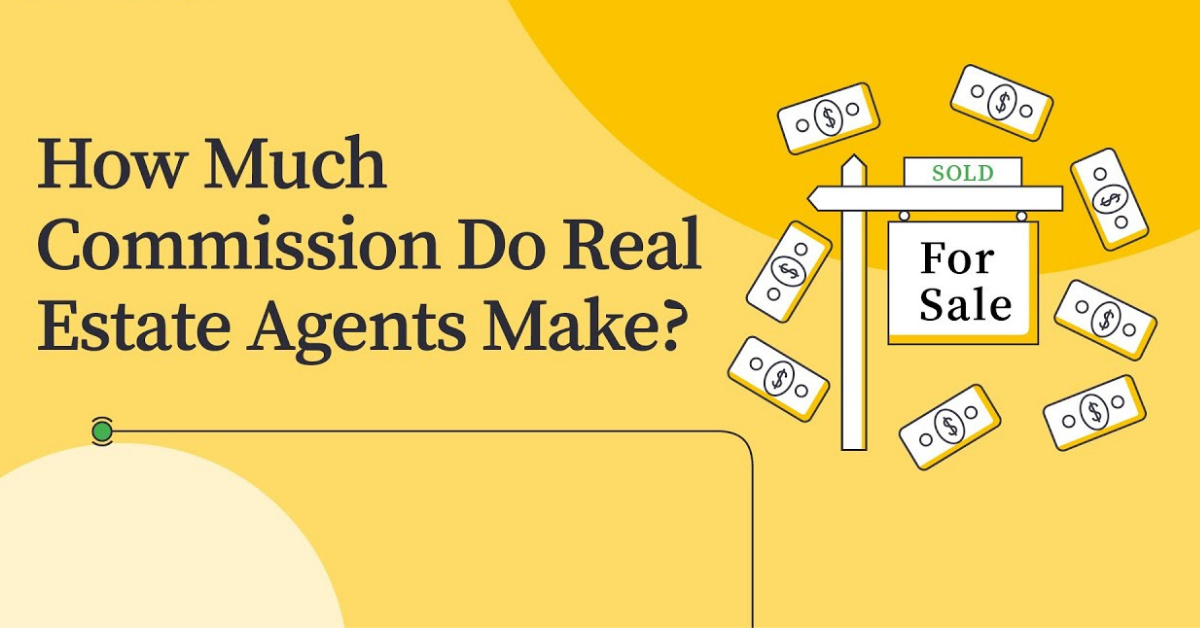
¿Cuánto cobran los agentes inmobiliarios?

Si necesita contratar a un agente inmobiliario para que lo ayude a comprar o vender una casa, tenga en cuenta que a estos profesionales inmobiliarios se les paga a través de una comisión inmobiliaria. Entonces, ¿cuánto cuesta y por qué? ¿Se puede negociar esto?

Como un agente de bienes raíces en Orlando, FL desde 2004, por favor permíteme explicarte todo lo que necesitas saber sobre las comisiones de bienes raíces.

¿Cuánto cuestan las comisiones inmobiliarias?

En lugar de recibir un pago por hora o un salario semanal, los agentes inmobiliarios solo cobran si la transacción de bienes raíces se concreta.

Algunas agencias inmobiliarias cobran una tarifa fija por sus servicios, mientras que la mayoría de los agentes cobran un porcentaje del precio de venta una vez que se ha concretado la transacción. El porcentaje exacto puede variar; sin embargo, la mayoría de las comisiones inmobiliarias suelen oscilar entre el 5 y el 6% del precio de venta. Así, en una casa de $100,000, una comisión del 5% sería de $5,000.

Esto puede parecer mucho dinero, pero ten en cuenta que la comisión inmobiliaria se divide entre el agente del vendedor y el agente del comprador. Además, los agentes inmobiliarios no reciben ni un centavo hasta que la transacción se concreta... un proceso que puede tomar semanas o incluso meses de trabajo según el trato.

¿Quién paga la comisión inmobiliaria?

Por lo general, el vendedor de la casa paga el monto total de la comisión por el servicio tanto del agente de bienes raíces como del agente del comprador... a menos que el agente represente tanto al comprador como al vendedor.

Por lo general, los dos agentes se reparten la comisión inmobiliaria a partes iguales (50/50). Si una casa se vende por $100,000 con una comisión del 5%, cada agente inmobiliario se llevará $2,500. Sin embargo, esto también puede variar en ciertas situaciones, como si el agente de venta solo le ofreciera 1% al agente del comprador. En el sector inmobiliario, por lo general, todo es negociable.

Explicación de la doble agencia inmobiliaria

Si el mismo agente inmobiliario representa tanto al comprador como al vendedor, el agente se convierte entonces en un “agente dual” y recibe la cantidad total de la comisión inmobiliaria. Es por eso que a los agentes de listados les encanta cuando también encuentran al comprador además de representar al vendedor. ¡Hablando de un pago enorme!

Como un agente inmobiliario en Orlando, esto me ha pasado innumerables veces. Sin embargo, a muchos agentes inmobiliarios no les gusta representar a ambas partes porque los coloca en la incómoda situación de tener que trabajar para ambos compradores, lo que a veces podría convertirse en un conflicto de intereses.

¿Qué cubre exactamente la comisión de un agente inmobiliario?

Los propietarios sin duda tienen la opción de vender o comprar su casa “Sin intermediarios” (por el propietario), pero cuando descubren la tremenda cantidad de tiempo y trabajo que requiere, por lo general terminan contratando a un agente inmobiliario. Los agentes inmobiliarios ofrecen una amplia gama de servicios como: fijar el precio correcto de la casa, promocionarla [en el Servicio de Listado Múltiples, redes sociales, etc.], las negociaciones e incluso guiar a los propietarios durante el cierre.

Un agente inmobiliario con experiencia puede ayudarle a obtener el mejor precio por su casa mientras maneja todo el estrés que conlleva vender una propiedad. Se lo digo por experiencia... ¡los buenos agentes inmobiliarios se ganan el dinero que cobran!

¿Necesita pruebas? Eche un vistazo a estas cifras... Una encuesta nacional reciente realizada en 2019 encontró que un típico Venta por dueño La vivienda se vendió por $195,000, en comparación con los $245,000 que se habrían obtenido con la ayuda de un agente inmobiliario, según la Asociación Nacional de Agentes Inmobiliarios®.

Eso significa que las viviendas puestas a la venta a través de un agente inmobiliario se vendieron por $50,000 más que las que se vendieron sin agente. Quizás por eso un impresionante 92% de los propietarios recurrió a un agente inmobiliario para vender su casa.

¿Son negociables las comisiones de los agentes inmobiliarios?

Como solía decir todo el tiempo mi primer maestro de bienes raíces: “Todo en el sector inmobiliario es negociable”. Aunque aquí en Florida lo normal es una comisión de 5% a 6%, no hay ninguna ley estatal ni federal que establezca las tasas de comisión.

Esto significa que si desea vender su casa, ciertamente puede pedirle a su agente inmobiliario que reduzca su comisión; sin embargo, no están obligados a hacerlo.

Una cosa a considerar es la siguiente: su agente inmobiliario debe pagar la comercialización de su casa con la comisión que recibe después del cierre; una menor comisión podría significar un presupuesto de marketing más bajo para su casa, lo que podría traducirse en más tiempo en el mercado.

Dicho esto, no cuesta nada pedirle a tu agente que baje su comisión. A la mayoría de los agentes inmobiliarios no les ofenderá [¿a quién le importa si lo hacen?] y lo peor que te pueden decir es que no. Si andas justo con los números, puedes pedirles que te cobren una tarifa fija por ayudarte a poner la casa en venta, comunicarte con los compradores y redactar el contrato, pero no obtendrás un servicio completo por parte del agente o la agencia inmobiliaria con una tarifa fija. La mayoría de los agentes no ofrecen un contrato de corretaje por tarifa fija, por lo que tendrás que buscar un poco y estar preparado para hacer gran parte del trabajo pesado tú mismo.

Comprar o vender una casa probablemente será una de las transacciones financieras más grandes de su vida, así que asegúrese de encontrar un agente inmobiliario con experiencia en el que pueda confiar para hacer un gran trabajo. Este no es el momento de contratar a su sobrino que acaba de obtener su licencia hace 3 semanas...

Otras cosas que debes saber sobre las comisiones de bienes raíces

Cada detalle sobre la comisión de bienes raíces de un agente debe detallarse en el contrato de exclusividad de venta que usted firmó cuando contrató al agente. Un contrato de exclusividad típico también debe indicar cuánto tiempo lo representará el agente. Por lo general, un contrato de exclusividad en la Florida dura entre 90 y 120 días.

Como vendedor de una vivienda, usted quiere un agente inmobiliario que le consiga el precio de venta más alto y óptimo y los términos que desea, pero los mejores agentes inmobiliarios no son baratos. Como dice el viejo dicho con la mayoría de las cosas en la vida... obtienes lo que pagas.

¡Mantengámonos en contacto!

Nuevo cliente potencial de formulario ORC

"*" indica los campos obligatorios

Este campo es para fines de validación y debe dejarse sin cambios.
Trastorno obsesivo-compulsivo*

El proceso completo de venta corta de la A a la Z

Even after all these years, the short sale process remains a mystery to many people. Distressed sellers are puzzled and desperate for some guidance from a short-sale agent. Even more confusing… most real estate agents in Orlando don’t know how to do a short sale.

What’s a Short Sale?

A short sale is a situation that occurs when a mortgage lender agrees to accept a lesser amount than what’s owed on the outstanding mortgage balance. This situation benefits both the lender as well as the seller [homeowner] when foreclosure seems unavoidable.

By agreeing to a short sale, the lender can avoid a long drawn out and costly foreclosure process. Because even if the bank forecloses, there’s no guarantee that it will sell at the auction in which case the lender would end up back with the property as an REO [real estate owned] property. If the lender keeps the property, they will ultimately have to put it up for sale again, and there’s no telling how much they will get or how long it will take.

The dollar amount offered on a short sale is often more than a lender would receive at the auction or as an REO listing. However, you should know that banks are never thrilled about releasing mortgage obligations at huge discounts either.

The Seller

There are 2 main reasons why lenders grant short sales. First, the homeowner is going through a financial hardship and cannot continue paying the mortgage. Secondly, there isn’t enough equity in the property to pay off the mortgage and closing costs, taxes, etc. Both of these conditions must exist for a bank to approve a short sale.

A few examples of financial hardship may include loss of employment, reduction in income, divorce, medical condition, job transfer, bankruptcy, or even death.

Sellers must prepare a financial package so they can submit it to their lender. Every bank has a different short sale package but the basics are the same among all lenders.

The Short Sale Package

Following are the main components of a typical short sale package:

  • Authorization Letter: This is a document which allows your short sale agent to speak with your lender on your behalf.
  • Hardship Letter: A detailed letter describing the hardship the seller is going through explaining why they can no longer afford the mortgage.
  • Preliminary Closing Statement: Discloses the contract amount, realtor commissions, closing costs, taxes and any other fees involved with the transaction.
  • Financial Statement: A statement which discloses your income versus your expenses.
  • Two years of your tax returns
  • Two years W-2s
  • Last two bank statements
  • Two months of pay stubs
  • CMA: This is a report prepared by your short sale agent which lists recent sales of comparable homes in your area.

Submitting an offer to the Bank

Before submitting a short sale offer to the lender, buyers should ask their real estate agent for a list of comparable properties. The lender will look to get an offer that’s close to market value.

It’s important to keep in mind that the listing price on a short sale may not reflect the market value. The property will most likely be lower than market value to entice more buyers to make an offer. Most short sales begin when there’s a signed and accepted purchase offer by the seller and buyer.

Keep in mind that the short sale listing price might not reflect market value. The property might be priced below comparable sales to encourage multiple offers. Some short sales can begin before an offer but banks will most often start the procedure upon receipt of an accepted purchase offer.

Once the seller accepts the offer, the listing agent will then send the listing agreement, signed purchase offer, and proof of funds to the bank together with the completed short sale package.

If the package is incomplete, the lender won’t even process it. This is why it’s so important to have an experienced short-sale agent representing the seller.

The Short Sale Lender

Short sales are anything but short… buyers can end up waiting several months to get a response from a lender. The short sale listing agent must follow up with the bank regularly and keep detailed notes of each contact. Being a short sale agent in Orlando since 2004, I can tell you that following up regularly with the lender is crucial to the success of a short sale transaction.

I can’t tell you the number of times a buyer has decided to cancel their offer because of the bank taking too long to respond. This is especially true when the buyer needs to buy a house ASAP. For buyers wanting to close quickly, a short sale may not be the best option for them.

The Usual Process

Once the lender receives the completed Short Sale package, this is usually what takes place on the bank’s end:

  • The loss mitigation dept acknowledges receiving the completed package. This alone can take between 1 – 3 weeks.
  • A short sale processor is assigned to the file, this can also take up to a week or two.
  • A BPO aka [Broker’s Price Opinion] is ordered. The lender will contract a local realtor to give their opinion on what the property is worth. They do this by looking at the comparable properties in the area and are supposed consider any repairs the home may need.
  • Another short sale processor maybe assigned to the file. This can add another week or 2.
  • A second short sale processor might be assigned. This can take another 30 days.
  • The offer is either denied or accepted. If the offer is denied, the bank will counter with the amount they are willing to accept. At this point the buyer may wish to counter the bank’s offer together with a contractor’s estimate and a CMA.
  • Once the bank has accepted the offer, the lender will require all parties in the transaction to sign an arm’s length affidavit. This document states that parties are unrelated and acting their own best interest.
  • The lender will send out a short sale approval letter approving the contract amount.

While all this is going on, sometimes buyers will give up hope and cancel. They become tired of waiting because the short sale process is taking much longer than they expected. I’ve had situations with clients where buyers just walk on the deal without even telling their real estate agent.

I’ve had some Orlando short sales get approved in two weeks and others take more up to 6 months on average. A top short-sale realtor can help speed up this process, but at the end of the day, it’s all up to the lender. Some lenders are easier to work with than others.

It’s crucial that the short sale agent check-in with the short sale bank at least once or twice a week. Unfortunately, there are many incompetent short sale processors and the short sale agent may have to go over the processor’s head or request an “escalation”.

Pensamientos finales

A good short sale listing agent will often have a good idea about when approval will come after the file has been sent for the bank’s final review. If so, the buyer would be wise to start the loan process if they haven’t already. Occasionally, banks will only give buyers 2 weeks to close so it’s important to be ready.

¡Mantengámonos en contacto!

Nuevo cliente potencial de formulario ORC

"*" indica los campos obligatorios

Este campo es para fines de validación y debe dejarse sin cambios.
Trastorno obsesivo-compulsivo*

How To Choose A Short Sale Agent in Florida


Your Success Depends on the Short Sale Agent You Choose

A quick word to the wise… pick your short sale agent very carefully. A short sale is way too complex of a transaction to trust a new agent with. And don’t make the mistake of just hiring the agent with the flashiest website either. When dealing with a short sale, you need a short sale specialist… an agent who specializes in short sales.

Back in 2006 when the market crashed and short sales were everywhere, a lot of agents decided to specialize in short sales. Real estate training companies made big profits by offering short-sale training to thousands of agents. However, there’s no way you can learn how to be a short sale agent in just 3 hours. Unfortunately, many homeowners fell victim to these newbie agents claiming to be short sale specialists resulting in a failed short sale transaction.

Now in 2020, short sales in Orlando are not as abundant and there are a lot fewer short sale agents. Many times I get referrals from other real estate agents in Orlando because they don’t want to deal with the extra work involved with processing a short sale.

Ask a Real Estate Agent to Refer You To a Short Sale Agent

If you have a friend or relative that’s a real estate agent, chances are they’ll be able to refer you to a good short-sale agent. Short sales require a lot more work than a traditional transaction which is why most agents avoid them and are happy to refer them to another agent.

How Experienced Should my Short Sale Agent Be?

There are realtors out there that have been in the industry for several decades and have a ton of experience. However, some real estate agents stay in the business for longer than they should. What I mean by that is… the real estate business changes constantly and if you have an agent that’s set in their ways of doing things and not willing to keep up with the changes, then you’re in trouble and you should probably find another agent.

When it comes to finding an experienced short sale agent, you need to verify how active they’ve been recent. Ask them to show you proof of recently closed short sale transactions and find out how many clients they’re currently working with. Sure, they must have been doing short sales for a long time but even more important is what have they done lately.

I’ve been a short sale agent in Orlando, FL since 2004 with thousands of closed short sale transactions and I can tell you that there have been a lot of changes in the way short sales were handled back then and now in 2020. From different incentive programs being offered by lenders to the Federal rules and regulations, everything will continue to change.

When choosing a short sale agent, here are a few questions you should ask:

  • How many years have you been a short sale agent? Your short sale agent should have a minimum of 3 years experience in selling short sales. There’s no better teacher than experience. Making mistakes and finding out things the hard way is a great way to learn and avoid making those mistakes on future short sale deals. If you’re able to find an agent with experience in real estate investing, even better.
  • How many short sale transactions have you closed? Just imagine the knowledge of a short sale agent that has closed over 1,000 short sale transactions. These are the elite short sale agents and they will know what each of the top lenders will require, how they operate and what to expect. They will also have short sale packages from every single bank on hand. These agents will more than likely have systems in place to help streamline the process while providing you with individual attention.
  • Do you foresee any problems with my short sale? An experienced short sale agent will know if there are any red flags to warn the seller about just by asking a few questions. Remember, a real estate agent is not allowed to give tax or legal advice. However, the agent should be familiar enough to point out some potential tax consequences, legal issues, etc. Your short sale agent should be able to refer you to a real estate attorney in needed.
  • Do you have any experience with my lender? A past deal doesn’t guarantee you’ll get the same response from a bank, but it can be a good indicator. Different banks have different processes and some are much tougher to negotiate with than others. Chances are that your short sale agent will have some experience with your lender, unless your lender is a private entity or investor. If you have a loan with a private investor, you may not get the answer you want but at least you’ll get a quick response.
  • Will you be processing my short sale? Make sure the agent you’re talking to is also the person processing your short sale. If an agent is too busy, they may pass your short sale off to a third party processors who may not even be licensed. Some people believe real estate attorneys are the best negotiators for handling short sales. This isn’t the case, I actually have several real estate attorneys referring there Orlando short sales to me. The difference is that an attorney will charge you whether the deal closes or not and a real estate agent only gets paid if the deal goes through.
  • How long do you expect it will take for my short sale to close? If you haven’t yet heard, short sales are anything but short. However, if your short sale agent has recently done some deals with your lender, they should have a pretty good idea how long everything will take.

¡Mantengámonos en contacto!

Nuevo cliente potencial de formulario ORC

"*" indica los campos obligatorios

Este campo es para fines de validación y debe dejarse sin cambios.
Trastorno obsesivo-compulsivo*

What Should You Look For In A Real Estate Agent?


Selling or buying a home can be challenging and will also be one of the biggest financial decisions of your lifetime. Finding the right real estate agent that has the experience for what you need is crucial.

Having a good real estate agent in your corner will is important whether you’re buying or selling. In the state of Florida alone there are almost 300,000 active real estate agents.

Everywhere you look there are advertisements for real estate agents; billboards, bus stop benches, radio ads, etc… So how do you choose the best one for you? Follow these steps on hiring the perfect real estate agent for your needs.

Tips On Finding A Real Estate Agent

Speak To A Lender Before Hiring An Agent

One of the biggest mistakes a potential home buyer makes is to start looking for homes without knowing how much they can afford to pay for a home. There’s nothing more disheartening to fall in love with a home only to find out that you can’t afford it.

By getting pre-approved for a mortgage, you’ll know exactly how much home you can afford as well as address any issues with your credit if needed well ahead of time. Having your pre-approval letter ready will also show potential buyers’ agents and sellers that you are serious about buying. When you’re in a competitive market, sellers may not even consider an offer without a pre-approval letter from a lender.

Get Recommendations

A good way to start on your agent search is by asking friends and family members if they can recommend a real estate agent they’ve had a good experience with. You should hire an agent that specializes in whatever your real estate goals are. For example; If you’re a first-time homebuyer, you should hire an agent that specializes in first-time homebuyers as opposed to an agent that works with investment properties or short sales.

It’s also a good idea to hire an agent who is a Realtor. This means they are a member of the National Association of Realtors aka [NAR] and are held to a higher standard as specified in the organization’s code of ethics. Many Realtors hold special certifications to demonstrate they’ve completed training in specific areas of real estate. These are some of the designations:

CDPE [Certified Distressed Property Expert]: Completed specialized training in short sales and foreclosure prevention. CRS [Certified Residential Specialist]: Completed special training in working with buyers of residential real estate. ABR [Accredited Buyer’s Representative]: Trained in representing buyers in transactions.
SRES [Seniors Real Estate Specialist]: trained in helping buyers and sellers aged 50 and over.

Research Potential Agents

Always begin with online research. Start by checking their website and any social media accounts they may have. You should be able to find reviews, current listing information and get an overall feel for the person through their online presence. If they have no online presence then move on to the next candidate.

Interview 3 Real Estate Agents… at Least

Remember, you’re going to be communicating with this person for the next several weeks or even months until you’ve accomplished your real estate goals. An “in-person” interview will be a chance for you to get a feel for the agent’s experience and style. You want to work with an agent who understands what you’re looking to accomplish and be very familiar with the area you’re buying or selling in.

This is also a chance for you to see firsthand how professional they are. The more effort they put into a presentation for you is a good indication of the effort they’ll put in when they’re working for you. Interviews are also a great way for you to establish a preferred way of communication moving forward whether it be texting email or phone calls.

Ask For References

When you’re interviewing potential real estate agents, request to see their references. Ask the agent to

provide the information on any homes they’ve recently sold [in the past year]. You should also ask them to provide the contact information from any of their recent clients. Be sure to call those clients and find out what their overall experience was with the agent…Ask them if they would work with the agent again.

Trust Your Gut

Once you’ve followed the tips on finding the best agent, you still might have to choose between 2 or 3 of them. At this point, you should go with your gut. Remember, you’ll be in constant communication with this person so you should feel comfortable around them and be able to tell them everything.

It’s kind of like dating… sometimes it comes down to the chemistry… or lack of chemistry. If you have an agent and everything checks out, but you’re still not feeling the vibe, don’t hire them. Keep looking until you find the right fit for you, it will be worth the extra effort.

Read The Contract Carefully

Your contract should spell out all the terms to which you have agreed… including the commission. Typically, the seller pays all of the commission which is usually about 5-6% to be split between the listing agent and buyer’s agent. You should also pay close attention to the length of the contract. If your home hasn’t sold in 6 months or you haven’t found a house to buy in that time, then you’ll probably want to find a new real estate agent.

¡Mantengámonos en contacto!

Nuevo cliente potencial de formulario ORC

"*" indica los campos obligatorios

Este campo es para fines de validación y debe dejarse sin cambios.
Trastorno obsesivo-compulsivo*

The Difference between a Short Sale and a Foreclosure


Short Sales and Foreclosures are Very Different Situations

Most people who have never been through a short sale or a foreclosure, think it’s the same thing. Although short sales and foreclosures have a few things in common, they are both very different scenarios… especially when you’re the homeowner going through it. Doing a short sale will always be better than letting your house go to foreclosure just to avoid the damage to your credit among other benefits.

What’s a Short Sale?

A short sale occurs when a homeowner can no longer afford to make the mortgage payments to their Bank, and they have to sell the home for less than what’s owed. Many times, homeowners are already in active foreclosure when they decide to try and short sale the property. The homeowner must also prove to the lender they’re going through some kind of hardship affecting their ability to pay.

Even if the homeowner meets all the criteria of a typical short sale, it must still have the final approval of the lender. The majority of lenders will opt for a short sale instead of taking a homeowner through a costly foreclosure process.

Benefits of a Short Sale

Avoid Foreclosure- A foreclosure can damage your credit for up to 7 years whereas a short sale will have much less of an impact.

Eliminate your Debt- Eliminate your debt with the bank for good. Be sure that your short sale realtor tells the bank that you’re not able or willing to repay the entire amount of the deficiency.

Cash Back to Sellers Many banks offer cash-back programs so they have money to relocate to another home.

Why would my Bank agree to a Short Sale?

Banks don’t make their money by foreclosing on homes. They lose money… taking a mortgage holder through a foreclosure takes is expensive and can take a long time. Lenders also realize that if they do foreclose on the house, they’re just going to have to list it and end up taking a loss anyway.

¡Mantengámonos en contacto!

Nuevo cliente potencial de formulario ORC

"*" indica los campos obligatorios

Este campo es para fines de validación y debe dejarse sin cambios.
Trastorno obsesivo-compulsivo*