
Blog

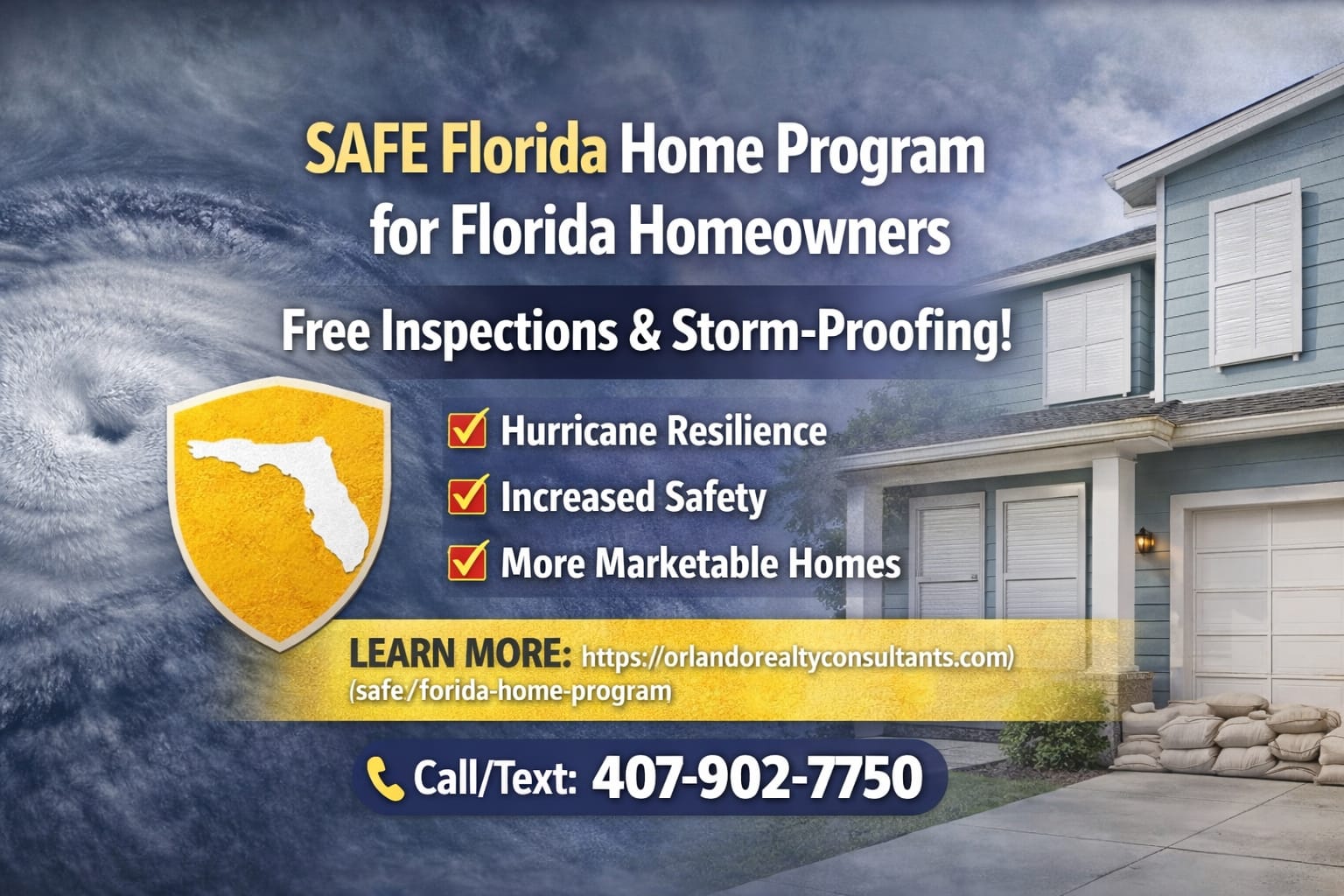
Programa Mi Hogar Seguro de Florida – Guía completa de Orlando

Actualizado para 2026: propietarios de viviendas en Orlando, FL: Descubre cómo el programa «My Safe Florida Home» puede ayudarte a reforzar tu casa contra los huracanes con inspecciones gratuitas y subvenciones de hasta $10,000 en fondos de contrapartida.

Respuesta rápida: El programa «My Safe Florida Home» es una iniciativa estatal que ofrece a los propietarios de viviendas de Florida que cumplan con los requisitos, incluidos los de Orlando, inspecciones gratuitas para la mitigación de daños por huracanes y hasta $10,000 en fondos de subvenciones complementarias para reforzar las viviendas contra los daños causados por las tormentas y, potencialmente, reducir las primas de seguro.

¿Qué es el programa Mi Hogar Seguro de Florida?

El programa My Safe Florida Home es administrado a través del Departamento de Servicios Financieros de Florida para ayudar a los propietarios de viviendas a evaluar y mejorar la resistencia de sus hogares contra los daños causados por el viento y los huracanes. Ofrece dos beneficios clave:

  • Inspecciones gratuitas de mitigación de vientos para identificar debilidades estructurales y posibles créditos de seguros.
  • Fondos equivalentes de hasta $10,000 para mejoras de mitigación que cumplan con los requisitos y que sean recomendadas en el informe de inspección. :contentReference[oaicite:0]{index=0}

Por qué es importante para los propietarios de viviendas en Orlando

Las casas en Orlando están tierra adentro, pero las grandes tormentas a menudo siguen produciendo fuertes vientos y granizo, y las mejoras de mitigación pueden marcar una verdadera diferencia en la prevención de daños y en los costos de seguros. Las características resistentes al viento, como ventanas de impacto, puertas de garaje reforzadas y mejores conexiones entre el techo y las paredes, son mejoras comunes.

Cómo funciona el programa: Paso a paso

Este es el camino práctico para participar:

  1. Solicitar una inspección a través del sitio web oficial del programa en https://mysafeflhome.com/. .
  2. Obtenga una inspección gratuita de mitigación de vientos que evalúa las características actuales de su hogar y recomienda mejoras de resistencia.
  3. Revise su informe de inspección y trabajar con un contratista con licencia para cotizar las mejoras elegibles.
  4. Enviar una solicitud de subvención con los detalles del proyecto y la información del contratista una vez que se realice la inspección.
  5. Completa el trabajo y solicitar la inspección final para calificar para el reembolso o el pago de la subvención.

¿Quién es elegible?

Los propietarios de viviendas deben cumplir con los criterios del programa, que por lo general incluyen:

  • Ser propietario y vivir en una casa unifamiliar construida en el terreno o en una casa adosada (townhouse).
  • Exención por residencia principal sobre la propiedad.
  • Vivienda asegurada por un monto de $700,000 o menos (con cambios recientes en los requisitos de elegibilidad). :contentReference[oaicite:5]{index=5}
  • Permiso de construcción emitido antes del 1 de enero de 2008 (para subvenciones equivalentes).

Mejoras comunes de mitigación de vientos cubiertas

  • Ventanas y puertas exteriores resistentes al impacto
  • Puertas de garaje reforzadas y barreras secundarias contra el agua
  • Correas para techos, grapas o refuerzo de la cubierta
  • Persianas o sistemas de protección para vanos

Beneficios de participar

BeneficioImpacto
Inspección gratuitaIdentifica riesgos y descuentos de seguros
Hasta $10 000 subvencionesAyuda a financiar las mejoras de mitigación
Ahorros potenciales en segurosPrimas más bajas gracias a los créditos por mitigación de vientos

Errores comunes y riesgos

  • Iniciar el trabajo antes de la aprobación de la subvención: no comience las mejoras antes de que su subvención sea aprobada.
  • Suponiendo que todas las viviendas califiquen —se pueden excluir los dúplex y algunas viviendas no construidas en el sitio—.
  • Demorarse demasiado: los fondos se asignan por orden de llegada y los programas pueden agotarse rápidamente.

Cómo postularse (Portal Oficial)

Empiece creando una cuenta y completando la solicitud de inspección de mitigación de vientos. Puede comenzar el proceso en https://mysafeflhome.com/. :contentReference[oaicite:9]{index=9}

Cómo funciona esto en Florida

El programa se reinició gracias a la acción legislativa estatal a partir de 2022 y se le han asignado cientos de millones para inspecciones y subsidios. Las solicitudes a menudo priorizan a los propietarios de viviendas de bajos ingresos y adultos mayores, especialmente en los ciclos de financiamiento principales.

Datos estatales y demografía

Para obtener información demográfica y de vivienda más amplia de Florida, la Investigación Económica y Demográfica de Florida la oficina publica datos que ayudan a contextualizar el riesgo de huracanes, las tendencias del valor de las viviendas y el movimiento de la población en el centro de Florida.

Cómo se relaciona esto con los bienes raíces en Orlando

Los vendedores y compradores de Orlando deben tener en cuenta los descuentos por mitigación y los informes de inspección en las tasaciones; las propiedades con características documentadas preparadas para huracanes pueden atraer mejores cotizaciones de seguros e interés por parte de los compradores, especialmente después de tormentas importantes o aumentos en las tarifas de los seguros. Consulte los datos de ventas locales a través de . para las tendencias en viviendas con mejoras de mitigación.

Conclusión y próximos pasos

El programa My Safe Florida Home es una oportunidad real para fortalecer su hogar en Orlando, ahorrar en seguros y tomar decisiones inteligentes a largo plazo. No espere a la temporada de tormentas: comience el proceso de inspección y solicitud con anticipación.

¿Listo para proteger su hogar en Orlando?

Si quieres ayuda para revisar los informes de inspección, entender qué mejoras tienen sentido en Orlando o navegar por los impactos del seguro, obtén más información sobre ORC y llamada 407-902-7750 para recibir orientación personalizada.

Preguntas Frecuentes

1. ¿Qué es el programa «My Safe Florida Home»?

Un programa estatal que ofrece inspecciones gratuitas para la mitigación de daños causados por huracanes y subvenciones de contrapartida de hasta $10,000 para ayudar a los propietarios de Florida a reforzar sus viviendas.

2. ¿Quiénes pueden solicitar las subvenciones?

Los propietarios con una inspección de mitigación de vientos y una propiedad construida en sitio con exención de vivienda principal por lo general califiquen; verifique los criterios de ingresos y antigüedad de construcción.

3. ¿Puedo comenzar las mejoras antes de postularme?

No, el trabajo realizado antes de la aprobación de la subvención por lo general no será reembolsado.

4. ¿Las mejoras de mitigación reducirán mi seguro?

A menudo sí: las aseguradoras ofrecen créditos por mitigación de vientos que pueden reducir su prima una vez documentados.

5. ¿Está disponible todo el año?

Las postulaciones se abren y cierran según el financiamiento; consulte el sitio oficial antes de postularse.

6. ¿Cuánto tiempo toma la inspección final?

Una vez finalizado el trabajo, la programación de la inspección final puede tardar varias semanas, según la demanda del programa.

7. ¿Tengo que buscar mi propio contratista?

Sí — el programa no asigna contratistas; los propietarios deben seleccionar a profesionales con licencia.

8. ¿Puedo usar la subvención para un techo nuevo?

Sí, si la inspección lo recomienda y cumple con los criterios de mitigación, pero se aplican límites a la subvención.

9. ¿Se pueden incluir las casas adosadas?

Las casas adosadas individuales pueden ser elegibles para inspecciones y ciertos subsidios según las reglas actuales.

10. ¿Qué tan pronto debo postularme?

Lo antes posible: los fondos son limitados y los programas populares suelen agotarse rápidamente.
¡Mantengámonos en contacto!

Nuevo cliente potencial de formulario ORC

"*" indica los campos obligatorios

Este campo es para fines de validación y debe dejarse sin cambios.
Trastorno obsesivo-compulsivo*

¿En peligro de ejecución hipotecaria en el centro de Florida?

Cómo evitar la ejecución hipotecaria en Orlando, Florida

Los propietarios de viviendas pueden evitar la ejecución hipotecaria actuando con rapidez y eligiendo la opción correcta, como una modificación de préstamo, planes de pago, vender antes de la subasta o una venta corta. En Orlando y el centro de Florida, el tiempo es fundamental. Cuanto antes responda a los avisos del prestamista y comprenda sus opciones locales, mayor control conservará.

¿Qué significa ejecución hipotecaria?

Ejecución hipotecaria Ocurre cuando un prestamista inicia acciones legales para recuperar una propiedad tras el incumplimiento de los pagos de la hipoteca. En Florida, la ejecución hipotecaria es un proceso judicial, lo que significa que se lleva a cabo a través del sistema judicial. Esto genera tanto presión como oportunidades, siempre y cuando actúes con rapidez.

Por qué los propietarios de viviendas en Orlando caen en ejecución hipotecaria

  • Pérdida de empleo o reducción de ingresos
  • Gastos médicos o gastos inesperados
  • Aumento en los costos de seguros e impuestos sobre la propiedad
  • Divorcio o cambios importantes en la vida
  • Adjustable-rate mortgage increases

Foreclosure is rarely caused by one bad decision. It’s usually a slow buildup—and that means there are often multiple ways out.

How to Avoid Foreclosure: Your Main Options

1. Loan Modification

A loan modification permanently changes your mortgage terms. This may include a lower interest rate, extended loan term, or adding missed payments to the balance.

2. Repayment Plan or Forbearance

If your hardship is temporary, lenders may allow you to pause or spread out missed payments. These options work best when income is expected to recover.

3. Sell the Home Before Foreclosure

Selling before the foreclosure sale protects your credit far more than letting the process finish. This option works well when there is equity or when pricing is realistic.

4. Short Sale (When You Owe More Than the Home Is Worth)

A short sale allows the lender to accept less than the amount owed. This is where experience matters. I’ve handled hundreds of distressed transactions and understand how banks evaluate hardship, pricing, and approvals.

Lenders rely on a BPO or a Análisis Comparativo de Mercado to determine value—getting this wrong can kill a short sale.

Como un Certified Distressed Property Expert and trusted Experto en ventas cortas en Orlando, I know how to price, package, and negotiate these deals so they actually close.

Foreclosure vs Your Other Options (Quick Comparison)

Opción Credit Impact Timeline Control Level
Loan Modification Low to Moderate 30–90 days Medium
Sell Before Foreclosure Low 30–60 days High
Short Sale Moderate 60–120 days Medium
Ejecución hipotecaria Severe 6–12 months None

How Foreclosure Works in Orlando and Central Florida

Florida is a judicial foreclosure state. That means lenders must file a lawsuit before taking your home. This process usually takes several months, sometimes longer, giving homeowners a critical window to act.

In Orlando, many homeowners wait too long because they assume nothing can be done after the court case starts. That’s simply not true. Sales and short sales can often still happen before the auction date.

Common Mistakes That Make Foreclosure Worse

  • Ignoring lender letters or court notices
  • Waiting until the auction date to ask for help
  • Overpricing the home “just to try”
  • Working with agents who lack short sale experience
  • Assuming bankruptcy is the only solution

FAQs: How to Avoid Foreclosure

¿Puedo evitar la ejecución hipotecaria una vez que comienza el caso judicial?

Yes. In many Orlando cases, options still exist until the auction date.

¿Es mejor vender que la ejecución hipotecaria?

Almost always. Selling protects your credit and future buying power.

¿Cuánto tiempo dura una ejecución hipotecaria en Florida?

Typically 6–12 months, sometimes longer depending on court backlogs.

¿Un short sale arruinará mi crédito?

It impacts credit, but far less than a completed foreclosure.

Do I need cash to do a short sale?

No. Most short sales require no out-of-pocket payment.

Can I buy another home after foreclosure?

Yes, but waiting periods and loan terms are stricter.

Should I talk to my lender or a Realtor first?

Both—but start with someone who understands distressed options.

What if my home has no equity?

You may still avoid foreclosure through a short sale or modification.

Why Work With Orlando Realty Consultants?

Foreclosure is stressful—but bad advice makes it worse. Orlando Realty Consultants specializes in helping Central Florida homeowners navigate tough situations with clarity and strategy.

We don’t sugar-coat options. We explain what works, what doesn’t, and what protects you long-term.

Talk to a Real Foreclosure & Short Sale Expert

If you’re behind on payments or worried foreclosure may be coming, don’t wait. The earlier you act, the more options you keep.

Orlando Realty Consultants
Teléfono: 407-902-7750
Service Area: Central Florida

Call today for a private, no-pressure conversation about how to avoid foreclosure and move forward.

¡Mantengámonos en contacto!

Nuevo cliente potencial de formulario ORC

"*" indica los campos obligatorios

Este campo es para fines de validación y debe dejarse sin cambios.
Trastorno obsesivo-compulsivo*

¿Se pueden hacer ofertas por varias casas? (Guía para compradores en Orlando)

Yes, you can put offers on multiple houses at the same time in Orlando—but it comes with legal, ethical, and financial risks. While Florida law does not prohibit multiple offers, buyers must understand contract obligations, contingencies, and what happens if more than one seller accepts.

Can You Legally Put Offers on Multiple Houses?

In Florida, buyers are legally allowed to submit offers on more than one home at the same time. There is no state law or MLS rule that prevents this.

However, the moment a seller signs and accepts your offer, you may be under a legally binding contract. If more than one seller accepts, things can get complicated fast.

Why Buyers Consider Making Multiple Offers

  • Low inventory and competitive Orlando market
  • Homes selling quickly, sometimes within hours
  • Fear of missing out after losing bidding wars
  • Uncertainty about seller response times

Important Contract Concepts You Must Understand

Offer Acceptance Timing

An offer is not binding until it is accepted and signed by the seller. Once acceptance happens, you are typically under contract.

Contingencies Matter

Contingencies give buyers legal exit options. You should fully learn about real estate contingencies before attempting multiple offers.

Earnest Money Risk

If you back out improperly, you could lose your earnest money deposit—often thousands of dollars.

Pros and Cons of Putting Offers on Multiple Houses

Ventajas Contras
Increases chances of winning a home Risk of multiple acceptances
Saves time in competitive markets Potential loss of earnest money
Reduces emotional pressure Ethical concerns with sellers
Strategic leverage if structured correctly Legal exposure if handled poorly

Errores comunes que cometen los compradores

  • Submitting multiple offers without contingencies
  • Not disclosing existing offers to their agent
  • Assuming they can cancel without consequences
  • Overlooking inspection and financing timelines

How Multiple Offers Work in Orlando Specifically

Orlando’s real estate market is fast-moving, especially in desirable neighborhoods. Multiple-offer situations are common, and sellers often respond quickly.

Homes listed in the . can receive several offers within days—or even hours.

Local listing agents may push for clean, strong contracts with minimal contingencies, which increases buyer risk when submitting more than one offer.

What Happens If Two Sellers Accept?

If two sellers accept your offers, you may be legally obligated to move forward with both unless you can cancel one under a valid contingency. This is where buyers can get into serious trouble.

Ethical Considerations

The National Association of Realtors outlines professional standards around transparency and fairness. Buyers should understand the sellers guide to multiple offer negotiations before proceeding.

Best Practices for Buyers

  • Limit multiple offers to 2 homes max
  • Stagger offer expiration times
  • Use contingencies strategically
  • Work with an experienced Orlando agent

Pensamientos finales

Yes, you can put offers on multiple houses—but whether you should depends on strategy, timing, and risk tolerance. In Orlando’s competitive market, doing this without expert guidance can cost you money fast.

Trabaje con Orlando Realty Consultants

En Orlando Realty Consultants, we help buyers win homes without putting themselves in legal or financial danger. We know how Orlando contracts work, how listing agents negotiate, and how to protect you.

Llame al 407-902-7750 or obtén más información sobre ORC.

Preguntas frecuentes

¿Puedo hacer ofertas en varias casas en Florida?

Yes, Florida law allows it, but buyers must understand contract obligations.

¿Es ilegal hacer múltiples ofertas?

No, but it can become legally risky if multiple offers are accepted.

¿Puedo echarirme atrás si se aceptan dos ofertas?

Only if a valid contingency applies. Otherwise, you may lose earnest money.

Do sellers know if I made multiple offers?

Not automatically, but disclosure may occur through negotiations.

How many offers can I submit safely?

Typically no more than two, with staggered deadlines.

Can I use inspection contingencies to cancel?

Yes, if written properly and within contract timelines.

Is this common in Orlando?

Yes, especially in competitive price ranges and neighborhoods.

Should first-time buyers do this?

Only with professional guidance. The risk is higher for new buyers.

What’s the safest alternative?

Strong single offers with clean terms and smart pricing.

¡Mantengámonos en contacto!

Nuevo cliente potencial de formulario ORC

"*" indica los campos obligatorios

Este campo es para fines de validación y debe dejarse sin cambios.
Trastorno obsesivo-compulsivo*

Casas en venta en Puerto Rico: Una guía práctica para compradores

Houses for sale in Puerto Rico range from condos and townhomes to single-family homes and beachfront properties. The smartest approach is to pick the right region, confirm title/permits, budget for insurance and storm risk, and use a local Puerto Rico professional for on-island steps—while your Orlando agent coordinates your plan, timing, and strategy.

If you’re based in Orlando (or anywhere in Central Florida) and thinking about buying in Puerto Rico—whether it’s a second home, a relocation move, or an investment—this page breaks it down in plain English, without fluff.

To browse live search results, start here: houses for sale in Puerto Rico.

What it means to invest in Puerto Rico

Most buyers mean “a house,” but Puerto Rico inventory often includes multiple property types that can fit the same goal:

  • Single-family homes (urban neighborhoods, inland towns, and coastal communities)
  • Condos (popular for lock-and-leave second homes and lower exterior maintenance)
  • Townhomes (often in gated communities with shared amenities)
  • Multi-family (duplex/triplex options for income strategies)
  • Land (higher diligence needed: zoning, access, utilities, permits)

How to search smarter (so you don’t waste weeks)

The big portals are useful for discovery, but your results get better when you filter like a pro and confirm the source of the listing:

  • Pick 2–3 target areas (don’t search “all Puerto Rico” unless you love decision fatigue).
  • Decide your “must-haves” (parking, generator-ready, cistern, gated community, walkability, ocean view).
  • Set a realistic budget range and leave room for insurance and repairs (especially near the coast).
  • Verify listing data using reliable systems and local professionals—many buyers start with the . concept, but Puerto Rico data can be fragmented across sources.

Areas Orlando buyers ask about most

From Orlando, the most common “short list” regions usually fall into a few buckets:

  • Metro / lifestyle convenience: San Juan, Guaynabo, Carolina (more amenities, more traffic, often higher prices).
  • Resort / higher-end coastal: Dorado (premium pricing, strong demand).
  • Surf / vacation vibe: Rincón and the west coast (seasonality matters).
  • Southwest beaches: Cabo Rojo area (popular for second homes).
  • Islands: Vieques/Culebra (unique charm, but logistics and inventory can be tricky).

Costs to plan for (beyond the purchase price)

This is where many out-of-state buyers get surprised. Your monthly and annual costs can look different than Orlando.

Cost Item Por qué es importante Smart Buyer Move
Insurance (wind/storm) Coastal exposure can raise premiums and deductibles. Get quotes early; don’t wait until after you’re under contract.
HOA / condo fees Can include maintenance, security, reserves, amenities. Review budget, reserves, and special assessment history.
Utilities + backup Many owners plan for generator/cistern setups. Ask what’s installed, permitted, and maintained.
Repairs / renovation Salt air + storms can accelerate wear. Budget for inspections and a realistic repair cushion.
Travel + logistics Orlando buyers often fly in/out for showings and closing steps. Plan showings in tight blocks; avoid “one house at a time” trips.

Step-by-step: how to buy a house in Puerto Rico (actionable checklist)

  1. Define your goal: second home, relocation, long-term rental, or short-term rental.
  2. Set your buy box: location(s), property type, budget, “must-haves,” dealbreakers.
  3. Line up financing or proof of funds: if you’re using a lender, get a written pre-approval.
  4. Build a local Puerto Rico team: local agent, inspector, and closing/attorney support as appropriate.
  5. Screen listings: confirm condition, title/ownership clarity, HOA/condo rules, and permit realities.
  6. Tour strategically: stack showings in 1–3 days; include a “backup list” of options.
  7. Offer with clean terms: strong deposit, clear timeline, inspection windows, and proof of funds.
  8. Inspections + due diligence: roof, structure, electrical, plumbing, moisture, and storm-resilience items.
  9. Insurance + final numbers: finalize quotes and confirm total monthly/annual carry costs.
  10. Close and plan ownership: utilities, property management, maintenance cadence, and emergency readiness.

Pros and cons of buying in Puerto Rico

Ventajas

  • Wide range of lifestyle options: city, beach, mountains, islands.
  • Strong appeal for second homes and “escape winter” buyers.
  • Potential for rental income depending on location and regulations.

Cons (tell-it-like-it-is)

  • Storm risk is real—your insurance and maintenance plan must match it.
  • Data can be messy across portals; you need verification and local guidance.
  • Renovation timelines can be longer than Orlando due to labor/material logistics.
  • Short-term rental rules vary by area and building—assume nothing until confirmed.

Short-term rentals and “Airbnb in Puerto Rico”

If your plan involves short-term rentals, treat it like a business purchase—not a vacation fantasy. Building rules, municipal requirements, licensing, taxes, and neighbor/HOA restrictions can make or break the numbers.

Start your research here: “Airbnb in Puerto Rico”.

  • Do: verify HOA/condo bylaws and local rules before you assume STR is allowed.
  • Do: model conservative occupancy and higher maintenance (turnovers + wear).
  • Don’t: buy solely based on “projected income” screenshots.

Common mistakes (and how to avoid them)

  • Shopping the whole island at once: Pick target regions first so you can compare apples to apples.
  • Skipping permit/title diligence: Confirm what was built, what was approved, and what transfers cleanly.
  • Underestimating insurance: Get quotes early—this can change affordability fast.
  • Overestimating short-term rental income: Seasonality, rules, and management costs matter.
  • Not planning for storms: Backup power/water and maintenance plans are ownership basics.

How it works in Orlando (local context for Central Florida buyers)

Most Puerto Rico buyers we talk to in Orlando fall into three groups:

  • Second-home buyers: They keep their Orlando home and want a lock-and-leave place for winter escapes.
  • Relocation buyers: They sell in Central Florida, then buy in Puerto Rico with a clean timeline.
  • Investor buyers: They compare returns between Orlando rentals and Puerto Rico opportunities (often coastal/STR-adjacent).

Here’s the practical reality: Orlando is a strong market with tight inventory cycles. If you’re using your Orlando equity to fund Puerto Rico, your plan needs clean timing—sale proceeds, travel windows, inspections, and closing coordination.

If you want support in English or Spanish while you map out the strategy, connect with our team here: Spanish Speaking Realtor.

Summary and next steps

Buying a home in Puerto Rico can be a great move for lifestyle or investment—but only when you treat it like a real purchase: pick the right area, verify the facts, budget for insurance and maintenance, and build a solid local team on the island.

Call Orlando Realty Consultants (Central Florida support + coordination)

Orlando Realty Consultants helps Central Florida buyers create a smart plan when Puerto Rico is the goal—especially when your Orlando home sale, financing, or investment strategy is part of the puzzle.

  • Área de servicio: Florida Central

Want a clear plan? Llamar 407-902-7750 and tell us: your target area(s), budget, timeline, and whether this is a second home, relocation, or investment.

Preguntas frecuentes

1) Can U.S. citizens buy houses for sale in Puerto Rico?

Sí. Puerto Rico es un territorio de EE. UU. y los ciudadanos estadounidenses pueden comprar propiedades. La clave es la debida diligencia: verificar el título, los permisos y el costo real mensual de propiedad.

2) What are the best areas to look for houses for sale in Puerto Rico?

Depende de tu objetivo. Las zonas metropolitanas ofrecen comodidad, las áreas de la costa oeste ofrecen un ambiente vacacional, y algunos mercados costeros se inclinan más hacia segundas residencias o centros turísticos. Empieza por tu estilo de vida y tu presupuesto, y luego reduce las opciones a 2 o 3 áreas.

3) Are beachfront homes in Puerto Rico more expensive?

Usually yes. You’re paying for location, demand, and limited supply—and you may also pay more for insurance and maintenance due to salt air and storm exposure.

4) Do I need a local Puerto Rico agent if I’m working with an Orlando agent?

For on-island showings and local process, a Puerto Rico-based professional is important. Your Orlando agent can still help coordinate strategy, timing, and decision-making—especially if you’re selling or financing in Central Florida.

5) What should I verify before making an offer?

Confirm the property condition, ownership/title clarity, HOA/condo rules (if applicable), permit realities, insurance feasibility, and your full monthly/annual carrying costs.

6) Is buying a home in Puerto Rico a good investment?

It can be, but it’s not automatic. Investment success depends on location, rule compliance (especially for short-term rentals), realistic income assumptions, and disciplined budgeting for maintenance and storm risk.

7) Can I use the property as a short-term rental?

Sometimes—but never assume. Rules vary by municipality and by HOA/condo building rules. Verify in writing before you buy if rental income is part of your plan.

8) What inspections matter most in Puerto Rico?

Roof, structure, moisture issues, electrical, plumbing, and storm-resilience items. Coastal properties also deserve extra attention for corrosion and exterior wear.

9) How long does it take to buy a house in Puerto Rico?

Timelines vary based on financing, inspections, title work, and travel logistics. Buyers coming from Orlando typically do best when they plan tours in tight blocks and build in buffer time for diligence.

10) What’s the biggest mistake Orlando buyers make when shopping Puerto Rico homes?

Not narrowing the search early and not budgeting properly for insurance/maintenance. The smartest buyers define the goal, pick target areas, and verify costs before they fall in love with a listing.

¡Mantengámonos en contacto!

Nuevo cliente potencial de formulario ORC

"*" indica los campos obligatorios

Este campo es para fines de validación y debe dejarse sin cambios.
Trastorno obsesivo-compulsivo*

¿Tu casa en Orlando no se vende? Así es como lo soluciono

What to Do When Your Home Isn’t Selling (Best Orlando Fixes)

If your home isn’t selling, start by re-evaluating your price, improving how it shows (staging & photos), and expanding how buyers see it online. Fixing condition and perception often unlocks offers — especially in competitive Orlando neighborhoods.

Why Your Home Isn’t Selling

Homes fail to sell for a few predictable reasons — and once you know which one is at play, you can fix it. The most common culprits are pricing too high, poor presentation, weak marketing, or market timing. Orlando’s market is competitive and buyers compare similar homes quickly, so even small missteps can stall a listing. :contentReference[oaicite:0]{index=0}

Top Reasons Homes Sit Stale

  • Overpricing: Buyers ignore properties priced above similar homes. :contentReference[oaicite:1]{index=1}
  • Unappealing photos or staging: Poor visuals turn buyers away online. :contentReference[oaicite:2]{index=2}
  • Lack of marketing reach: Listing only on the Multiple Listing Service (like https://www.mls.com/) isn’t enough in 2026. :contentReference[oaicite:3]{index=3}
  • Condition issues: Visible repairs or dated features can scare off offers. :contentReference[oaicite:4]{index=4}
  • Seasonality & timing: Timing matters — slow periods can stretch days on market. :contentReference[oaicite:5]{index=5}

Step-by-Step Plan for When Your Home Isn’t Selling

1. Re-evaluate Your Price

Price is the #1 reason a home doesn’t sell. Even if you think your home is worth more, buyers compare numbers first — and they don’t care about your upgrades or emotional value. Work with your agent to update the comparative market analysis and adjust the list price as needed. :contentReference[oaicite:6]{index=6}

2. Improve First Impressions (Curb Appeal)

In Orlando, curb appeal matters. Grassy lawns, trimmed shrubs, and a welcoming front entrance make buyers stop scrolling. Power wash walkways, paint the front door, and add simple landscaping. :contentReference[oaicite:7]{index=7}

3. Stage & Depersonalize

Buyers must imagine themselves living in your home. Declutter, remove personal photos, and stage key rooms for purpose (living, dining, master suite). If the current photos feel crowded or too unique to your taste, refresh them. :contentReference[oaicite:8]{index=8}

4. Expand Marketing Efforts

An active marketing plan goes beyond the MLS and a sign in the yard. Use targeted social media posts, video walkthroughs, and open houses to broaden visibility. Agents who rely on passive marketing often see listings go stale. :contentReference[oaicite:9]{index=9}

5. Fix Key Repairs & Updates

Today’s buyers are looking for move-in ready homes. Address squeaky doors, peeling paint, or outdated fixtures. If a full remodel isn’t feasible, consider offering renovation credits or repair allowances.

6. Be Flexible With Showings

Weeknight showings or last-minute tours can translate to more buyers seeing your home. Removing restrictions and letting agents schedule easily can speed up offers. :contentReference[oaicite:10]{index=10}

Orlando-Specific Market Realities

Orlando is unique — tourists, seasonal moves, and job growth all impact selling conditions. A Realtor in Orlando like those at https://www.orlandorealtors.org/ understands local buyer preferences, neighborhood price bands, and effective marketing strategies tailored to Central Florida. Price adjustments that might be conservative elsewhere can be crucial here.

When a Change of Strategy Makes Sense

If you’ve tried the steps above and your home still isn’t selling, consider:

  • New agent or fresh perspective
  • Temporary rental or lease option
  • Alternative selling routes

Errores comunes de compradores que se deben evitar

  • Ignoring buyer feedback from showings
  • Waiting too long to adjust price
  • Overpersonalizing décor
  • Neglecting professional photos

Summary: What to Do When Your Home Isn’t Selling

Start with pricing and first impressions. From there, improve how your home is marketed and make the property appeal to buyers quickly. In Orlando’s market, quick, strategic adjustments often beat waiting months for a buyer to finally show interest.

Ready for a Local Realtor Who Gets Results?

If your home isn’t selling — and you’re done waiting — call Orlando Realty Consultants at 407-902-7750. We know Orlando buyers, neighborhood pricing, and what it takes to get homes under contract, fast. Se habla español.

¡Mantengámonos en contacto!

Nuevo cliente potencial de formulario ORC

"*" indica los campos obligatorios

Este campo es para fines de validación y debe dejarse sin cambios.
Trastorno obsesivo-compulsivo*