
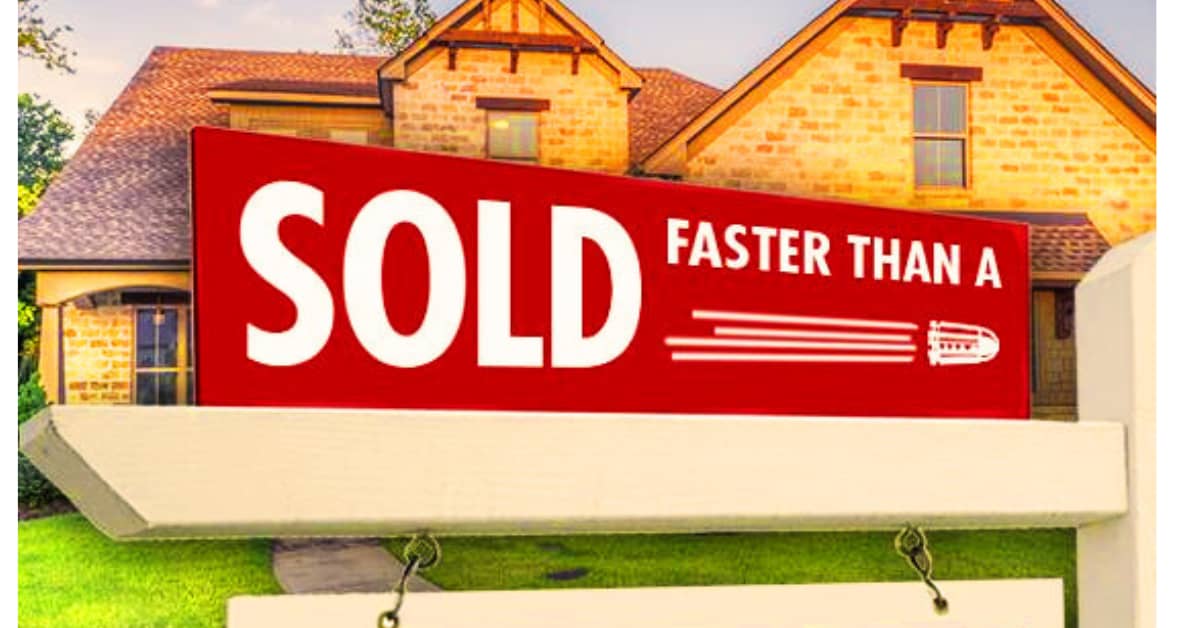
Title: Selling a Home in a Buyer’s Market: Expert Tips for Success

Introduction

Selling your home is a significant decision that comes with its own set of challenges. When the real estate market leans towards buyers, known as a buyer’s market, the competition can become even more intense. However, with the right strategies and a proactive approach, you can navigate this situation successfully. In this blog post, we’ll dive into valuable insights from an Orlando Realtor’s perspective on how to sell your home in a buyer’s market while maintaining a professional yet friendly tone.

Understanding the Buyer’s Market

First things first, let’s clarify what a buyer’s market entails. In a buyer’s market, there are more properties available for sale than there are buyers looking to purchase. This scenario often leads to a decrease in property prices and an increase in buyer negotiation power. As a seller, it’s crucial to be aware of this market condition and adjust your approach accordingly.

  1. Pricing Realistically

One of the fundamental steps to success in a buyer’s market is setting the right price for your home. While it’s natural to have an emotional attachment to your property, it’s essential to detach yourself and think objectively. Research the current market trends, recent sales in your neighborhood, and consult with your Realtor to determine a competitive and realistic price.

  1. Enhancing Curb Appeal

First impressions matter, especially in a buyer’s market. Enhancing your home’s curb appeal can make a significant difference in attracting potential buyers. Simple steps like cleaning up the yard, adding fresh coats of paint, and maintaining a neat exterior can create a welcoming vibe that entices buyers to explore further.

  1. Staging for Success

Staging your home is a powerful tool that helps buyers visualize themselves living in the space. Decluttering, depersonalizing, and arranging furniture in a way that highlights your home’s best features can make it more appealing. Your Realtor can provide expert advice on how to stage each room effectively.

  1. Professional Photography

In today’s digital age, online listings play a crucial role in attracting buyers. High-quality, professional photographs can showcase your home in its best light. Discuss with your Realtor about hiring a professional photographer to capture captivating images that stand out among the competition.

  1. Transparent Communication

Honesty and transparency go a long way in establishing trust with potential buyers. Provide accurate information about your property, its condition, any repairs or renovations done, and the reasons behind your decision to sell. Buyers appreciate upfront communication, and it can help in building a positive rapport.

  1. Flexible Showing Schedule

Being accommodating with your showing schedule can make a significant difference in attracting potential buyers. Understand that buyers might have their own schedules, and your flexibility can make it easier for them to view your property. Work closely with your Realtor to coordinate showings at convenient times for both parties.

  1. Highlight Unique Selling Points

What makes your home stand out from the rest? Whether it’s a stunning view, a spacious backyard, or a newly renovated kitchen, make sure to highlight these unique selling points in your listing and during showings. These features can set your home apart and pique the interest of potential buyers.

  1. Negotiate Wisely

In a buyer’s market, negotiation is inevitable. Be prepared for offers that might be lower than your asking price. Work with your Realtor to develop a negotiation strategy that considers your priorities and the market conditions. Keep an open mind and be willing to find common ground.

Conclusion

Selling a home in a buyer’s market can be challenging, but with the right approach, you can achieve success. Pricing realistically, enhancing curb appeal, staging effectively, and maintaining transparent communication are some of the key strategies to keep in mind. By working closely with a trusted Realtor, you can navigate the complexities of the market, stand out among the competition, and ultimately find the right buyer for your home. Remember, a professional yet friendly attitude can go a long way in creating a positive selling experience for both you and the buyers. Good luck on your home-selling journey!

Let's Keep In Touch!

New ORC Form Lead

"*" indicates required fields

This field is for validation purposes and should be left unchanged.
TOC*

Avoiding Common Mistakes When Buying Your First Home

Buying your first home is a monumental step, filled with excitement and anticipation. However, it’s also a complex process that can be fraught with challenges if not navigated carefully. As a seasoned realtor, I understand the importance of making informed decisions to ensure a successful home-buying experience. In this blog post, I will share valuable insights on avoiding common mistakes that first-time homebuyers often encounter.

  1. Underestimating Your Budget

One of the most significant mistakes you can make is underestimating the costs involved in buying a home. Beyond the down payment, there are closing costs, property taxes, homeowner’s insurance, and potentially HOA fees. It’s essential to work with a lender to get pre-approved for a mortgage and have a clear understanding of your budget before you start house hunting.

  1. Skipping Mortgage Pre-approval

Obtaining a mortgage pre-approval is a vital step in the home-buying process. It not only helps you understand your budget but also demonstrates to sellers that you are a serious and qualified buyer. Pre-approval can provide you with a competitive edge in a competitive housing market.

  1. Failing to Research the Neighborhood

The perfect house in the wrong neighborhood can lead to regret down the line. Research the neighborhoods you’re interested in thoroughly. Consider factors such as proximity to work, schools, public transportation, and amenities. Visiting the neighborhood at different times of the day can give you a better sense of the community’s dynamics.

  1. Not Considering Future Needs

While your current needs are essential, it’s also crucial to consider your future requirements. Are you planning to start a family? Do you anticipate a job change? Will you need extra space for hobbies or activities? Thinking about the future can help you choose a home that suits your evolving lifestyle.

  1. Skipping the Home Inspection

A home inspection is not an expense to skimp on. It can uncover hidden issues that might not be apparent during a casual walkthrough. Hiring a qualified home inspector can save you from unexpected repair costs down the road. Don’t be afraid to negotiate repairs or price adjustments based on the inspection report.

  1. Ignoring Resale Value

Your first home might not be your forever home. Resale value matters, even if you don’t plan to sell anytime soon. Trends in the real estate market can impact your property’s value, so choose a home in a location and with features that have a good track record of holding their value.

  1. Neglecting Additional Costs

Beyond the purchase price, there are ongoing costs associated with homeownership. These include maintenance, utilities, and potential renovations. Be prepared for these additional expenses when calculating your budget.

  1. Rushing the Decision

The excitement of buying your first home can sometimes lead to rushed decisions. Take your time to evaluate each property, weigh the pros and cons, and consult with professionals. Don’t feel pressured to make an offer on the spot—sometimes patience can lead to better choices.

  1. Not Having a Realtor

Attempting to navigate the complex home-buying process without professional guidance can be overwhelming. A skilled Orlando Realtor brings expertise, negotiation skills, and market insights to the table. They can help you avoid pitfalls and make informed decisions every step of the way.

  1. Getting Emotionally Attached Too Soon

Falling in love with a home is natural, but getting emotionally attached before completing due diligence can cloud your judgment. Keep a level head and consider all factors objectively before making an offer.

Conclusion

Buying your first home should be an exciting and rewarding journey. By avoiding these common mistakes and approaching the process with careful consideration, you can make confident decisions that set you up for a successful homeownership experience. Remember, a knowledgeable realtor is your ally in this process, guiding you toward making the best choices for your future. Happy house hunting!

Let's Keep In Touch!

New ORC Form Lead

"*" indicates required fields

This field is for validation purposes and should be left unchanged.
TOC*

What’s the Impact of Location on Property Value? Insights from Your Orlando Realtor

When it comes to real estate, one of the most crucial factors that can influence property value is the location. As a seasoned Orlando real estate agent, I’ve seen firsthand how the right location can turn a property into a lucrative investment, while the wrong one can lead to challenges. In this blog post, we’ll dive deep into the significance of location in determining property value, shedding light on why this factor matters so much in the real estate market.

Understanding the Magic of Location

Imagine waking up every morning to a stunning view of lush greenery, having easy access to the best schools and entertainment options, and being just a stone’s throw away from work. Now, imagine waking up to noise pollution, limited amenities, and a long commute. These scenarios demonstrate the power of location in shaping our living experience and, consequently, property value.

Proximity to Key Amenities

In a city as vibrant as Orlando, the proximity to key amenities can significantly impact property value. Properties situated near shopping centers, restaurants, parks, and entertainment hubs tend to be more desirable. Families and professionals alike appreciate the convenience of having essential services and recreational options just around the corner. As an Orlando real estate agent, I’ve observed that homes with such advantages often attract higher demand and command better prices.

School Districts and Educational Institutions

For families, the quality of schools is often a top priority. A property located within a reputable school district or in close proximity to renowned educational institutions holds substantial appeal. Buyers are often willing to pay a premium for a home that offers the promise of an excellent education for their children. This strong demand, in turn, can lead to increased property values in these areas.

Connectivity and Commute

Orlando’s expanding infrastructure and accessibility have a direct influence on property values. Areas with efficient public transportation, well-maintained roads, and minimal traffic congestion tend to be more attractive to potential buyers. An easy commute to major employment centers, popular tourist destinations, and even airports can contribute significantly to a property’s value. As an Orlando Realtor, I always emphasize how improved connectivity can translate into long-term benefits for homeowners.

Views and Natural Surroundings

There’s a reason properties with picturesque views are highly sought after. Whether it’s a serene lake, a bustling cityscape, or a tranquil park, a pleasing vista can dramatically enhance a property’s allure. Likewise, access to green spaces and outdoor recreational areas adds a sense of tranquility to daily life, making these locations prime real estate. As a real estate agent in Orlando, I’ve noticed that properties offering these features often command higher prices due to their intrinsic value.

Neighborhood Trends and Development

Real estate markets are dynamic, and neighborhoods can change over time. Keeping an eye on upcoming developments, infrastructure projects, and shifts in community dynamics is essential. In my job as a real estate agent, I track these trends to provide clients with accurate insights into the future growth potential of a location. Areas undergoing positive transformations often experience corresponding increases in property values.

Considerations for Investors

For investors, understanding the impact of location is crucial for making sound investment decisions. I advise investors to consider factors such as the neighborhood’s historical appreciation rates, the demand for rental properties, and the potential for future development. Investing in areas with strong growth prospects can lead to attractive returns over time.

Conclusion

In the world of real estate, the adage “location, location, location” holds true for good reason. I’ve witnessed how location can shape not only a property’s value but also the lifestyle and experiences of its residents. Whether you’re a homeowner looking for your dream home or an investor seeking lucrative opportunities, understanding the impact of location is a fundamental step in making informed real estate decisions. If you’re ready to explore the diverse neighborhoods and vibrant communities Orlando has to offer, don’t hesitate to reach out. I’m here to guide you every step of the way.

Let's Keep In Touch!

New ORC Form Lead

"*" indicates required fields

This field is for validation purposes and should be left unchanged.
TOC*

Renting Out Your Property: Landlord Tips and Responsibilities – Insights from an Orlando Real Estate Agent

Are you considering renting out your property in the vibrant city of Orlando, Florida? Renting out your property can be a rewarding venture, both financially and personally. As experienced Orlando real estate agents, we’re here to provide you with valuable insights, tips, and responsibilities to help you navigate the landlord journey successfully. From finding the right tenants to maintaining your property, let’s dive into the world of being a landlord in Orlando.

  1. Understanding the Orlando Rental Market

Before taking the plunge into renting out your property, it’s crucial to understand the local rental market. Orlando is renowned for its diverse neighborhoods, bustling attractions, and a steady influx of tourists and residents. This unique blend creates a dynamic rental landscape with varying demands for different types of properties. Conduct thorough research to determine the rental rates in your area and gain insights into the preferences of potential tenants.

  1. Preparing Your Property

First impressions matter. A well-maintained and inviting property is more likely to attract quality tenants. Take the time to spruce up your property, ensuring it’s clean, well-painted, and in good repair. Consider any necessary upgrades that could increase its appeal and value. Also, make sure all appliances and systems are in proper working condition before tenants move in.

  1. Setting a Competitive Rental Price

Pricing your rental property appropriately is a crucial step. While you want to maximize your income, setting an exorbitant rent could drive potential tenants away. Research the current market rates for properties similar to yours and factor in location, size, amenities, and condition to arrive at a competitive rental price.

  1. Tenant Screening Process

Selecting reliable tenants is paramount to a successful landlord experience. Develop a thorough tenant screening process that includes background checks, credit history analysis, and previous rental references. This will help you find tenants who are likely to treat your property with care and respect.

  1. Crafting a Solid Lease Agreement

A comprehensive lease agreement is the foundation of a smooth landlord-tenant relationship. The lease should outline key terms such as rent due dates, security deposit details, maintenance responsibilities, and any specific rules for the property. Make sure both parties understand and agree to the terms before signing.

  1. Handling Maintenance and Repairs

As a landlord, it’s your responsibility to address maintenance and repair issues promptly. A well-maintained property not only keeps tenants happy but also preserves the value of your investment. Establish clear channels of communication for tenants to report issues, and have a list of reliable contractors ready for any repairs that may arise.

  1. Tenant Communication

Open and effective communication with your tenants can prevent misunderstandings and conflicts down the road. Regularly check in with your tenants to ensure everything is going smoothly and address any concerns promptly. Being responsive and attentive fosters a positive landlord-tenant relationship.

  1. Understanding Legal Regulations

Orlando has specific laws and regulations governing rental properties. Familiarize yourself with the city’s landlord-tenant laws to ensure you’re compliant. This includes understanding eviction procedures, security deposit limits, and fair housing practices.

  1. Collecting Rent and Handling Finances

Establish a clear rent collection process to avoid any payment delays. Consider setting up online payment options for convenience. Additionally, keep detailed records of all financial transactions related to your rental property for tax and accounting purposes.

  1. Dealing with Tenant Turnover

When a tenant decides to move out, be prepared to handle the turnover process efficiently. Conduct a thorough inspection of the property, address any necessary repairs, and prepare the space for new tenants. Also, ensure a smooth transition of security deposit handling according to legal guidelines.

Conclusion

Renting out your property in Orlando can be a rewarding endeavor with the right approach. By understanding the local market, preparing your property, selecting reliable tenants, and fulfilling your responsibilities as a landlord, you can create a positive and profitable experience. Remember, partnering with an experienced Orlando Realtor can provide you with valuable guidance and support throughout your landlord journey. Here at Orlando Realty Consultants, we’re dedicated to helping you make the most of your rental property investment. Happy landlording!

Let's Keep In Touch!

New ORC Form Lead

"*" indicates required fields

This field is for validation purposes and should be left unchanged.
TOC*

Investing in Real Estate: Is Commercial or Residential Right for You?

Introduction

Investing in real estate has long been considered a solid way to build wealth and generate passive income. However, before diving into the world of real estate investment, it’s crucial to determine which type of property aligns with your financial goals and risk tolerance. As an experienced Orlando real estate agent, I’m here to guide you through the decision-making process of choosing between commercial and residential real estate investment.

Understanding Commercial and Residential Real Estate

Commercial Real Estate:
Commercial real estate refers to properties that are intended for business purposes. This category includes office buildings, retail spaces, industrial warehouses, hotels, and multifamily properties with five or more units. Commercial properties are often leased to tenants for various periods and can provide substantial rental income. They can be more complex to manage due to factors such as tenant turnover, property maintenance, and market fluctuations.

Residential Real Estate:
Residential real estate in Orlando, on the other hand, encompasses properties used for residential purposes. This includes single-family homes, condominiums, townhouses, duplexes, and small multifamily properties with fewer than five units. Residential properties are typically leased to individuals or families, offering stable rental income. The management of residential properties is generally more straightforward compared to commercial properties.

Factors to Consider: Commercial vs. Residential Real Estate Investment

  1. Risk and Return:
    Commercial properties often have higher earning potential due to larger rental incomes. However, they can also carry higher risks, especially during economic downturns. Residential properties tend to provide more stable rental income, making them a safer option for beginner investors.
  2. Initial Investment:
    Commercial real estate usually requires a larger initial investment compared to residential properties. Residential properties are more accessible to individual investors with limited capital.
  3. Management and Involvement:
    Commercial properties demand more involvement in terms of property management, lease negotiations, and tenant relationships. Residential properties tend to be less demanding in terms of management, making them a suitable choice for those with limited time.
  4. Market Trends:
    The demand for commercial properties is closely tied to the overall economic health of an area. Residential properties can be influenced by local market trends, population growth, and lifestyle changes.
  5. Location:
    Both commercial and residential properties’ value can greatly depend on location. In Orlando, for instance, commercial properties near tourist areas might yield high returns, while residential properties in growing neighborhoods can attract long-term tenants.
  6. Long-Term Goals:
    Consider your long-term financial goals when choosing between commercial and residential real estate. If you’re looking for a stable income stream, residential properties might be more suitable. If you’re willing to take on more risk for potentially higher rewards, commercial properties could be the way to go.

Conclusion

In the world of real estate investing, the decision to invest in commercial or residential properties is a significant one. Both options have their own pros and cons, and the right choice depends on your individual circumstances, financial goals, and risk tolerance. As an Orlando real estate agent, I’m here to help you navigate this decision-making process.

Whether you’re interested in the potential high returns of commercial real estate or the stable income of residential properties, my expertise can guide you toward the right investment for you. Contact me today at 407-902-7750 or visit https://orlandorealtyconsultants.com/, let’s work together to make your real estate investment dreams a reality. Remember, no matter which path you choose, investing in real estate can be a rewarding endeavor with the right guidance.

Let's Keep In Touch!

New ORC Form Lead

"*" indicates required fields

This field is for validation purposes and should be left unchanged.
TOC*