
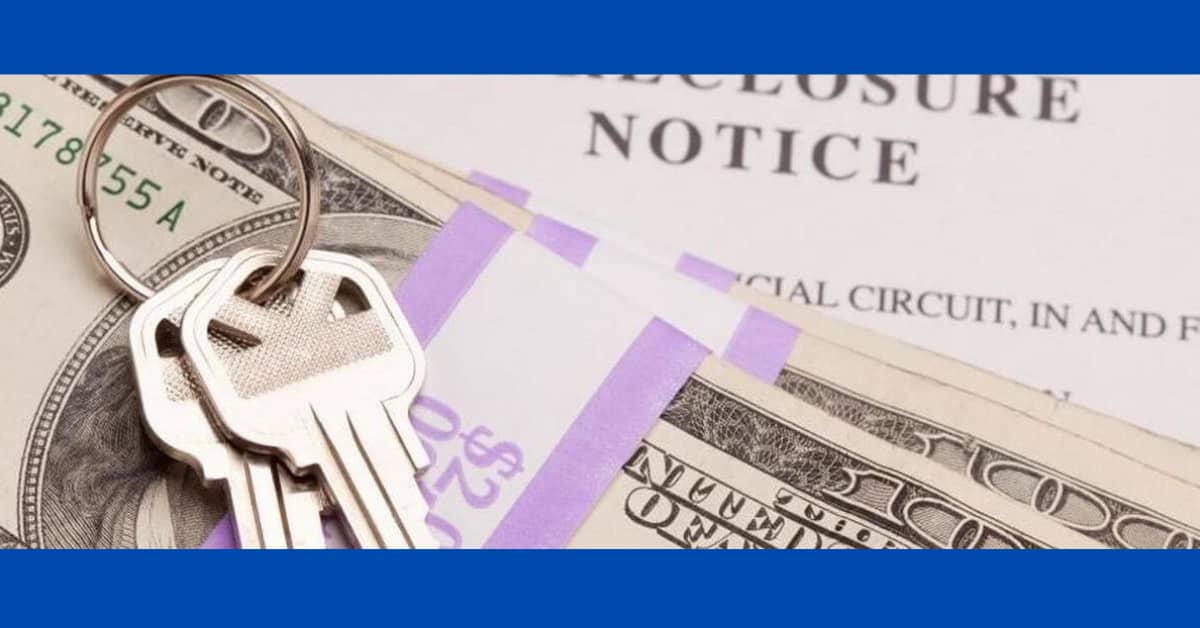
Buying a foreclosure home in Orlando can be one of the smartest financial decisions you’ll ever make—if you know how to go about it the right way. As an Orlando Realtor who has worked with countless homebuyers and investors across Central Florida, I can tell you firsthand: foreclosures offer incredible potential, but they also come with some hidden challenges.
If you’re looking for insider tips to find the best deals on Orlando foreclosure homes without wasting your time or money, you’re in the right place. Let’s dive into how to approach this exciting niche in the real estate market with confidence.
Understand What a Foreclosure Home Is
Before anything else, let’s get clear on what a foreclosure really is. A foreclosure occurs when a homeowner can no longer make their mortgage payments, and the lender takes back ownership of the home. The lender then tries to sell the home, usually at a discounted price, to recover their losses.
There are a few types of foreclosure properties:
- Pre-foreclosures: Homeowners are behind on payments, but the home hasn’t been repossessed yet.
- Auction properties: Homes sold at public auctions, often at the county courthouse.
- REO (Real Estate Owned): These are bank-owned properties that didn’t sell at auction.
Each type comes with different pros, cons, and buying strategies. Understanding these categories can help you target the right kind of foreclosure that fits your needs and risk tolerance.
Why Orlando Is a Hot Spot for Foreclosures
Orlando isn’t just the theme park capital of the world—it’s also a hot market for real estate investors and savvy buyers. Why? The demand for homes is strong, but the market also sees cycles where some homeowners struggle to keep up with mortgage payments. That creates a steady stream of foreclosure opportunities.
Foreclosed homes in Orlando are often in suburban areas near schools, shopping centers, and major employers. Neighborhoods like Pine Hills, Azalea Park, and parts of East Orlando often feature foreclosures that can be rehabbed and turned into valuable investments or affordable dream homes.
How to Spot a Great Deal on a Foreclosed Property
Let’s be real: not every foreclosure is a great deal. Some properties are neglected, vandalized, or come with legal headaches. But with a keen eye and a good strategy, you can find diamonds in the rough.
Here’s what I recommend:
- Know Your Budget: This goes beyond just the sale price. Factor in repair costs, potential permits, property taxes, and closing costs.
- Look for “Hidden Potential”: The ugliest house on the block might have the highest upside if it’s structurally sound.
- Compare Sales in the Area: Look at the price per square foot of similar homes that have recently sold. This helps you determine whether the foreclosure is truly a bargain.
- Be Ready to Act Fast: The best deals don’t sit around. If you wait too long, another buyer or investor will snatch it up.
The Power of Working with a Realtor Who Knows Foreclosures
You wouldn’t go into a jungle without a guide, right? The same applies here. Foreclosures can be tricky, and you’ll want a realtor who understands the ins and outs of the process. That includes knowing which properties have clean titles, which ones might have liens, and how to deal with banks or auction procedures.
As a local realtor, one of my biggest advantages is access to MLS listings with foreclosure filters, insider connections with asset managers, and firsthand knowledge of the neighborhoods where these properties are located. I often know about deals before they hit public platforms, giving my clients a leg up on the competition.
Plus, I can help you navigate:
- Bidding strategies
- Inspection and appraisal tips
- Making an offer that banks will actually accept
- Securing financing or navigating cash deals
In short, having a knowledgeable realtor by your side is not just helpful—it’s essential.
Don’t Skip the Inspection (Even If the House Looks “Okay”)
This is one of the biggest rookie mistakes I see. Just because a home looks like it’s in decent shape doesn’t mean it’s structurally sound. Many foreclosures are sold “as-is,” meaning the bank won’t fix a thing. That could include mold, roof damage, plumbing issues, or even illegal additions.
Hire a licensed home inspector to check out the property before you buy. It might cost a few hundred bucks, but it could save you thousands in repairs—or help you walk away from a bad deal altogether.
Understand the Financing Side of Things
Foreclosures aren’t always easy to finance. Some lenders won’t approve a mortgage on a property that’s in poor condition. That’s why many foreclosure buyers use:
- Cash: The fastest and simplest method, especially for auction properties.
- Hard money loans: Short-term loans with high interest but fast approvals.
- Renovation loans (like FHA 203k): These allow you to borrow money for both the purchase and repairs.
Talk to a lender who has experience with distressed properties. They’ll help you choose the best financing route for your situation.
Final Thoughts: Your Dream Deal Is Out There—If You Know Where to Look
Buying a foreclosure in Orlando can be an exciting journey, filled with potential for equity growth, rental income, or just a more affordable place to live. But it’s not without its bumps in the road.
Do your homework. Lean on a realtor who’s walked this path before. Stay alert and ready to move quickly when the right opportunity appears. If you follow these tips, you’ll be well on your way to scoring an incredible deal on a foreclosure home in the Sunshine State’s most vibrant city.
Want help finding the best deals? Let’s chat—I’d love to help you navigate the Orlando foreclosure market like a pro.

Jenny Zamora is a trusted Orlando Realtor with Orlando Realty Consultants, known for helping buyers, sellers, and investors navigate the Central Florida market with clarity and confidence. Jenny takes a relationship-first approach—listening closely, educating her clients, and guiding each step with honest advice and strong negotiation. Whether you’re buying your first home, relocating, selling to upgrade, or exploring investment opportunities, Jenny is committed to making the process smooth, strategic, and stress-free.
To learn more about Jenny’s professional membership and credentials, visit her REALTOR® member profile here.
