

If you’re facing financial pressure or your home is worth less than what you owe, understanding how short sales work in Florida can protect your credit, your future buying power, and your financial stability.
What Is a Short Sale in Florida?
A short sale occurs when a lender approves the sale of a property for less than the total mortgage payoff. In most cases, the homeowner is experiencing financial hardship and no longer has sufficient equity to sell traditionally. According to industry guidance, lenders may agree because foreclosure is often more costly and time-consuming for them. Bankrate notes that lender permission is required and that the sale price may not cover the full loan balance.
In simple terms, the bank accepts a “short” payoff and releases the lien so the home can be sold.
Why Do Lenders Approve Short Sales?
- Foreclosure involves legal expenses, delays, and property maintenance costs.
- Short sales allow lenders to recover a portion of the loan faster.
- The homeowner demonstrates documented financial hardship.
- Market value has dropped below the mortgage balance.
Florida’s judicial foreclosure process can be lengthy, sometimes extending well over a year, which gives lenders additional motivation to consider a short sale alternative.
How Does the Short Sale Process Work?
Step-by-Step Overview
- Document financial hardship and contact the lender.
- List the home with a qualified real estate professional.
- Price the property based on current market value.
- Receive and accept a buyer’s offer.
- Submit the offer and financial package to the lender.
- Wait for lender review, negotiation, and approval.
- Close once all lien holders agree.
Lender approval can take several months, and there is no guarantee the bank will accept the first offer. Transactions may require multiple negotiations.
Valuation and Pricing
Lenders often order a BPO or appraisal to verify market value before approving the price. Your agent will also prepare a Comparative Market Analysis to justify the listing price.
Typical Florida Short Sale Timeline
| Stage | Estimated Timeframe |
|---|---|
| Listing and marketing | 2–6 weeks |
| Offer submitted to lender | 30–90+ days |
| Lender review and negotiation | 60–120 days |
| Final approval and closing | 30–45 days |
Many Florida short sales take roughly 4–8 months to complete depending on lender response times and lien complexity.
Pros and Cons of a Short Sale
Potential Benefits
- Avoid foreclosure and maintain more control over the sale.
- Reduce or eliminate remaining mortgage debt.
- Often less severe credit impact than foreclosure.
- Opportunity for a financial reset.
Possible Downsides
- Credit score will likely drop.
- The process can be slow and uncertain.
- Tax or deficiency judgment risks may apply.
- Seller typically receives no proceeds.
Short sales can still affect credit, but many homeowners recover faster compared to foreclosure timelines.
Short Sales vs Foreclosure
Understanding short sales vs foreclosures is critical when deciding your next step.
- Short sales usually cause less long-term credit damage.
- Homeowners remain involved in negotiations.
- Foreclosure typically results in greater financial and credit impact.
- Short sale participants may qualify for another mortgage sooner.
Common Mistakes and Risks to Avoid
- Working with agents who lack short sale experience.
- Failing to submit a complete hardship package.
- Accepting unrealistic promises or paying upfront fees.
- Ignoring additional liens that could block approval.
Any legitimate short sale professional will set realistic expectations—no one can guarantee approval.
How It Works Specifically in Orlando
In the Orlando market, short sale pricing strategy is critical. Properties are often listed slightly below market value to generate strong buyer activity and demonstrate demand to the lender.
Demand from investors and primary buyers in Central Florida can improve approval chances when pricing aligns with current comparable sales.
Seasonality also matters. Listing during peak buyer demand periods can increase the likelihood of stronger offers and faster lender response.
Practical Checklist for Florida Homeowners Considering a Short Sale
- Confirm your current mortgage payoff.
- Determine your home’s realistic market value.
- Prepare hardship documentation.
- Hire an experienced Orlando short sale expert.
- Review tax and legal implications with professionals.
- Request deficiency waiver language from the lender.
My Experience Handling Short Sales in Central Florida
Short sales are not standard transactions—they require negotiation skill, lender relationships, and patience. Over the years, I’ve guided numerous Central Florida homeowners through complex short sale approvals involving multiple lien holders, strict documentation requirements, and tight timelines.
As a Certified Distressed Property Expert, I focus on protecting sellers from unnecessary financial exposure while maximizing lender cooperation and closing success.
Summary: Is a Short Sale the Right Move?
A short sale can be a strategic alternative when your mortgage balance exceeds your home’s value and foreclosure is looming. While it won’t be fast or easy, it often results in less long-term damage and more control over your outcome.
The key is acting early and working with professionals who handle distressed property negotiations regularly.
Talk With Orlando Realty Consultants
If you’re behind on payments or worried about foreclosure, let’s review your options honestly and confidentially.
Orlando Realty Consultants
Service Area: Central Florida
Phone: 407-902-7750
We’ll evaluate your situation, determine whether a short sale makes sense, and guide you through every step—from pricing and negotiations to final approval.
Frequently Asked Questions About Short Sales in Florida
Do I need my lender’s permission to do a short sale?
Yes. The lender must approve both the sale price and the terms before closing.
Will a short sale stop foreclosure?
Often, yes. If approved and completed before foreclosure, it can prevent the foreclosure process from finishing.
How long does a Florida short sale take?
Most transactions take between 4 and 8 months, depending on lender responsiveness and documentation.
Will I owe money after the short sale?
Possibly. Some lenders pursue deficiency balances unless waived in writing.
How much will my credit drop?
Credit typically declines, but usually less than with foreclosure.
Can I buy another home after a short sale?
Many homeowners qualify for new financing within two to four years.
Do I get any money from the sale?
In most cases, the seller receives no proceeds.
Can investors buy short sale homes?
Yes, investors and traditional buyers can purchase short sale properties.
Are short sales legal in Florida?
Yes. They are a recognized alternative to foreclosure when approved by lenders.
Do I need a specialized Realtor?
Absolutely. Short sales involve documentation, negotiation, and lender coordination beyond a standard sale.
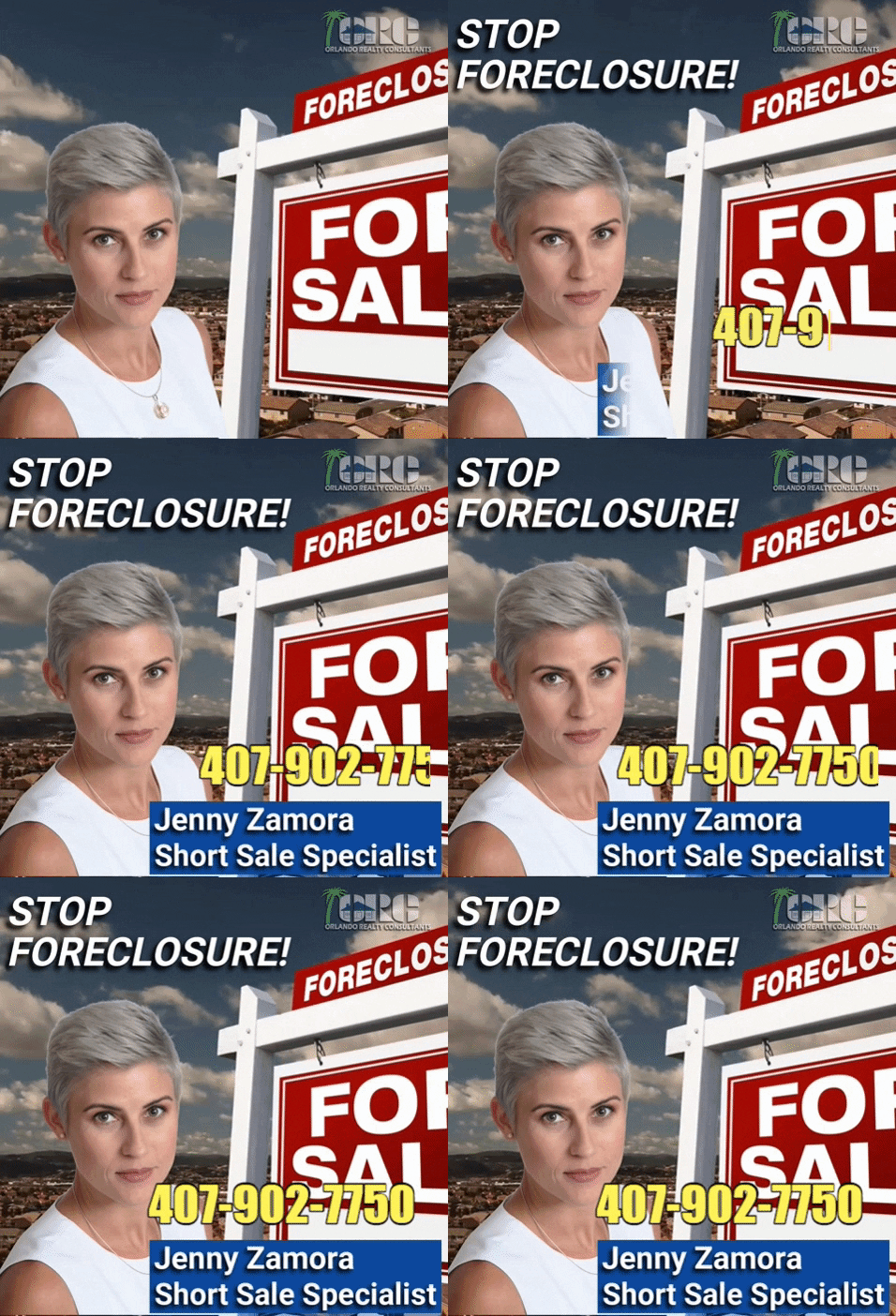

Jenny Zamora is a trusted Orlando Realtor with Orlando Realty Consultants, known for helping buyers, sellers, and investors navigate the Central Florida market with clarity and confidence. Jenny takes a relationship-first approach—listening closely, educating her clients, and guiding each step with honest advice and strong negotiation. Whether you’re buying your first home, relocating, selling to upgrade, or exploring investment opportunities, Jenny is committed to making the process smooth, strategic, and stress-free.
To learn more about Jenny’s professional membership and credentials, visit her REALTOR® member profile here.
