
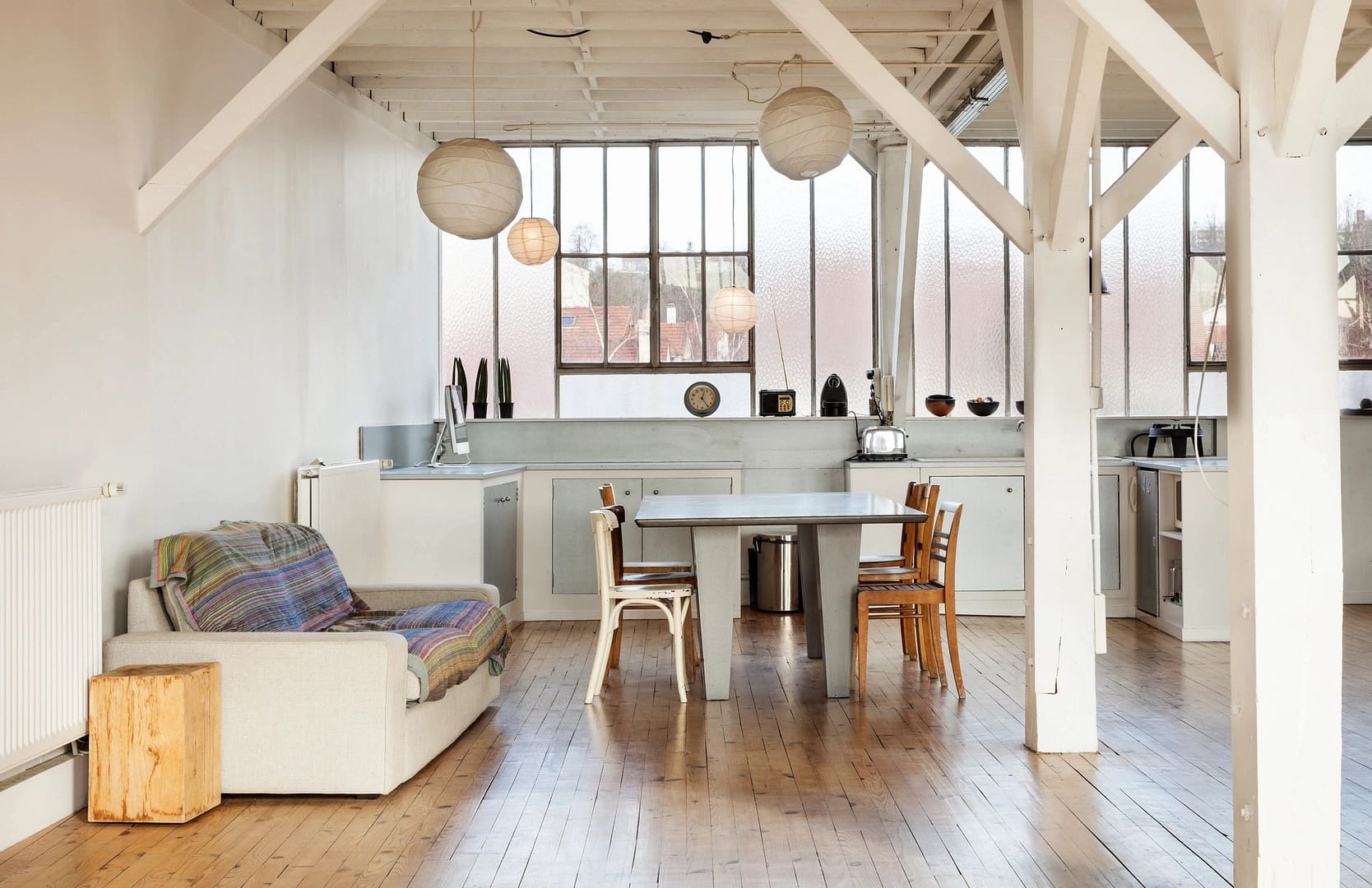
Discover The Advantages And Disadvantages Of Underfloor Heating

The vast majority of homes now have some form of central heating system, which is typically used during the colder months of the year. In fact, many of us would struggle to survive in the sub-zero temperatures we often experience if it wasn’t for a heating system. However, in recent times, there has been much more choice available when it comes to a home’s heating system, and one particular popular method is underfloor heating. This post will discuss both the advantages and disadvantages of having an underfloor heating system.

Advantages

One of the main reasons that underfloor heating has become so popular is that it provides warm floors throughout your home during the colder months of the year. It is also said that having such a system installed will actually increase the overall value of your property, so is definitely something to consider if you are thinking of selling your home at some point in the future. You will also find that having a large underfloor heating system installed in your home will ensure you no longer need large, bulky, and often ugly-looking radiators, which in turn will also free up some extra room around your home.

If the walls, ceiling, and doors in the rooms of your home are well insulated you will also find that underfloor heating is far more efficient simply due to the way in which heat will be distributed around your home. Radiators will typically heat the surrounding area quite quickly, although as the heat rises it will usually take a little longer to heat the entire room. An underfloor system offers the ability to heat a far larger surface working its way from the floor upwards, which in turn will provide the rooms in your home with a far more consistent temperature.

Disadvantages

To be completely honest, there is really only one real complaint that owners of underfloor heating systems have, and that is the amount of time it takes to heat up when compared to the various other forms of heating. A room will typically take a longer period of time to heat up, although this also means it will take longer to cool down. This will only cause a real problem if you are looking for immediate heat in a room, but most of the modern underfloor heating systems come with pre-programmed controls, thus allowing you to switch the system on beforehand anyway.

You may also find, depending on the type of system you purchase, that you may not have the ability to replace the heat from all radiators around your home. This is usually only a problem if you choose to purchase one of the smaller systems available, whereas a larger system will provide a complete replacement for radiators. You should also be aware that the system should not be placed under items of furniture, which means you may have to rethink the layout of a room. You will also find that this type of system can prove to be expensive if you choose to run it in conjunction with your main heating system, and it is therefore typically viewed as a luxury, rather than a necessity.

Let's Keep In Touch!

New ORC Form Lead

"*" indicates required fields

This field is for validation purposes and should be left unchanged.
TOC*

The Value of Roof Inspections

Similar to routine car maintenance checkups, scheduling a roof inspection is an important part of prolonging the life of your roof. Unfortunately, many homeowners don’t schedule routine roof inspections as they do for their cars.

It’s not necessary to have annual roof inspections performed, but it is recommended to have it done every two to three years to make sure it’s in good shape. Roofs are one of the most expensive repairs homeowners make and a new roof costs thousands. That’s why it’s important to make it last as long as possible.

Why is a Roof Inspection Necessary?

Roof inspections act as a form of preventative care. Roofing contractors typically offer them for free as a way to get more work. What’s important is that you find a trusted contractor who won’t try to create work for themselves when problems don’t actually exist. Also, make sure they’re licensed.

Regardless of your location, roofs are exposed to a lot of different weather conditions. Whether it’s heavy rain, hail, snow, wind, or hot and cold temperatures, roofs take quite a beating throughout the year.

Homeowners living in areas prone to receiving tornadoes and hurricanes should definitely make sure their roofs are in good shape prior to and after a big storm hits. An inspection before a storm will help prevent more damage from occurring. If there are leaks or damaged shingles and you haven’t noticed, a big storm will certainly expose them and by then it’s too late. Additional damage has occurred and the price to fix it has climbed.

Getting a roof inspection is a good idea if you’re considering repairs or installing a new roof. It’s crucial that you don’t just take the advice of a single contractor. Gather the opinions of several before making any final decisions.

Common Problems with Roofs

Roofs may look fine to the average homeowner, but a lot of problems that arise with roofs happen below the surface. Some of the most common problems associated with roofs include:

  • Leaks and holes
  • Ripped or missing shingles
  • Roof discoloration and deterioration
  • Loose or damaged flashing
  • Depressions that cause water collection

What an Inspection Should Include

A thorough roof inspection should take some time. Make sure the contractor walks around the home, on top of the roof, inside the home, and checks inside the attic. Some contractors have special equipment and may take pictures as part of the inspection. Ask what they plan to do so you know what to expect.

Routine roof inspections help determine the structure of the roof, its projected life span, and whether repairs need to be made. Inspectors should be able to detect damage from storms or branches, areas susceptible to leaks, shingles that need repairing, and the overall structure and function of the roof.

If it’s been a few years since your last roof inspection, consider scheduling one as soon as possible. Don’t wait for the next big storm to hit. Treat it as preventative care and you’ll likely avoid those costly repairs in the future. Once again roof inspections are usually free so it doesn’t hurt to have your property checked out.

Chad Siemer writes about a number of home improvement topics for several websites, including Keeping You Dry Roofing.

Let's Keep In Touch!

New ORC Form Lead

"*" indicates required fields

This field is for validation purposes and should be left unchanged.
TOC*

Lesser Known Tips To Help You Sell Your Home

Mirage Sapele Natural


Tidy your home, move some of the clutter away and always keep your home looking ‘show-room-ready’ on the off chance that someone will turn up for a last-minute viewing. These are very common tips you’re told from the very start when you first decide to pack up and sell your home. But what about the tricks you don’t get to hear about so much? We’ve uncovered some lesser-known, yet invaluable house selling tips you may not have come across before.

Learn Which Rooms Sell

What’s the most important and saleable room in the house? That’s right, it’s your kitchen! A remodel of your kitchen will work wonders on your selling potential and it doesn’t have to cost you the earth. Look into updating the cabinet doors, or freshen up the room with a lick of paint. Think about how you can make it look more spacious. Buyers know themselves how expensive a kitchen can be to re-decorate, so if they see yours and hate it; it could knock thousands off their offer.

Build up some interest

Imagine that you’ve seen a rail of beautiful coats in a sale, but no one else seems interested – would you buy one? Maybe.  But you can’t say it wouldn’t cross your mind as to why no one else is taking an interest. Buying a house is much the same thing, except on a much bigger scale. With houses, buyers are all vying for the same types of property, but only one person can get each house. Competition is fierce, so you need to make sure your house is the main contender. Consider asking your friend to pop over while you have another visitor round, to pretend they’re interested in buying it. Build up a ‘buzz’ around your house, and don’t forget about marketing it yourself online.

Lighting

Lighting is far too often overlooked when it should be one of the most important house-selling considerations. How a buyer sees your home in that one quick nip around, is how they will envisage their lives in the property every day. No one wants to walk into a dingy house – no matter how tidy it is! Let as much sunshine in as you can. Keep the blinds up, turn the light around to put its focus in the center of the room, or even change some light bulbs to increase the wattage. These are some quick fixes you can take into account, but if you want to make a real difference – consider investing in some stylish lighting options. It doesn’t cost much and will be well worth the investment in the long run!
It’s the little things that count so try to think outside the box. Don’t just look at furnishings and the general look of the house either, check-in the nooks and crannies to see if you can spot anything that a potential buyer might not like – because this is what they’ll be doing too!

If you have any other lesser-known tips for selling houses in Orlando, be so kind as to share the juicy details in the comments section below.

Let's Keep In Touch!

New ORC Form Lead

"*" indicates required fields

This field is for validation purposes and should be left unchanged.
TOC*

Organize your kitchen once and for all

No matter whether you are moving to a new place, remodeling the old or just want to redecorate things in your old kitchen you should finally put everything in its place, you’ll benefit from our few tips on how to successfully do it. In fact, as you already know, good preparation is half the work, and beautifully arranged things in the kitchen will attract you to cook more delicious and hot meals. Therefore, let’s go.

Throw or store everything you do not need

That is, take out all the stuff from the kitchen cabinets and pantries. What has not been used for years and you do not intend to use give to relatives and friends, donate to the Red Cross or store it in a rented storage unit. Admit it – when was the last time you used that old toaster and what on Earth do you need your two water cookers for?

Replace things that do not work

Electric stove for tea is in its place, but you have not used it for months because it just does not cook properly? Then it’s time to take them to get repaired or simply discard. If you really want to give it to get repaired, do it as soon as possible because you do not want it to take up space for another half year, and not be used.

Put similar things in the same place

Let the pan be placed with pans, pots with pots, plates with plates. This will all help you keep track of your dishes and they will be easily accessible in the heat of cooking.

Put the things you use often in places where it is easy to get to them

If you push them somewhere behind the shelves or even cluttered with other things, it is certain that you will forget about them and not use them, or you’ll go crazy every time you try to take them out from under the pile of other things. What you really need is to have everything you need at your fingertips.

Your working surface should be free

This part of the kitchen is very important, almost everything from chopping, mixing, and serving up dishes is done there. It is best for the cooking surface to be free, with no objects which are meant to be on it.

And certainly do not forget

Have a place to write notes about what to buy. For example, it can be a binary block with a magnet that you can hang on the refrigerator and you’ll be able to write household items that need to be purchased.

Let's Keep In Touch!

New ORC Form Lead

"*" indicates required fields

This field is for validation purposes and should be left unchanged.
TOC*

The Eternal Debate: Should You Repair or Replace Your Roof?

Have you ever taken a good hard look at the state of your roof recently? Chances are, most people would check up on it only when leaks and considerable damage have already taken their toll.

In ideal conditions, roofs should be able to reach the end of their expected life spans without much damage. But as real-life goes, our roofs are constantly subjected to water damage, intense winds, and the risk of falling tree limbs. This kind of beating and 24/7 exposure to the harsh elements is enough reason why we need to inspect your roof every now and then.

What To Look Out For

Here are some of the things to look out for when inspecting your roof:

1. Damaged or missing shingles
2. Sagging roof deck
3. Signs of rot and mold, algae growth
4. Water leaks and trails
5. Visible holes

The decision on whether to repair or replace your roof is dependent on a number of factors. The first thing to consider is your budget. Can you afford to have your roof replaced? If your roof is less than two decades old, it is highly recommended to do repairs first, especially if the damage is not that significant. Minor repairs are often much cheaper and easier to manage.

You should also ask yourself, “How long do I plan on keeping this home?” The age of your current roof should be able to guide you on this. According to Elite Homes, roof shingles made out of asphalt can last anywhere from 15 to 30 years, while those made out of wood can last up to 30 – 50 years. Roofs made out of more durable materials metal, steel, tin, and aluminum can last at least fifty years.

Another important consideration is your future intent on selling your house. While replacing damaged or missing shingles with new ones is a relatively easy process, finding new shingles or tiles that perfectly match the old ones can be quite a challenge (unless you have some leftover shingles left from the previous roofing job). Mismatched shingles or tiles will look odd and can affect its appeal to future buyers.

Getting a New Roof

In some cases, replacing an old roof with a new one will be a more practical option, instead of settling for regular minor repairs. As an article on Bob Vila.com has pointed out, this decision is also dependent on the state of your current roof, the climate in your area, and the susceptibility of your house to hurricanes, typhoons, and other damaging events.

If ever you’ve decided on getting a new roof, you need to figure out if you need to tear off the old roof and install the new one in its place, or if you can just simply layer the new roof over the existing one. Laying a new roof over the old one is easier and cheaper, but some communities have rules in place regarding the number of roof layers that a house can have. For example, the International Residential Code limits only two roof applications for a house. It’s best to know these kinds of limitations first and requirements before starting on a re-roofing project.

Let's Keep In Touch!

New ORC Form Lead

"*" indicates required fields

This field is for validation purposes and should be left unchanged.
TOC*