
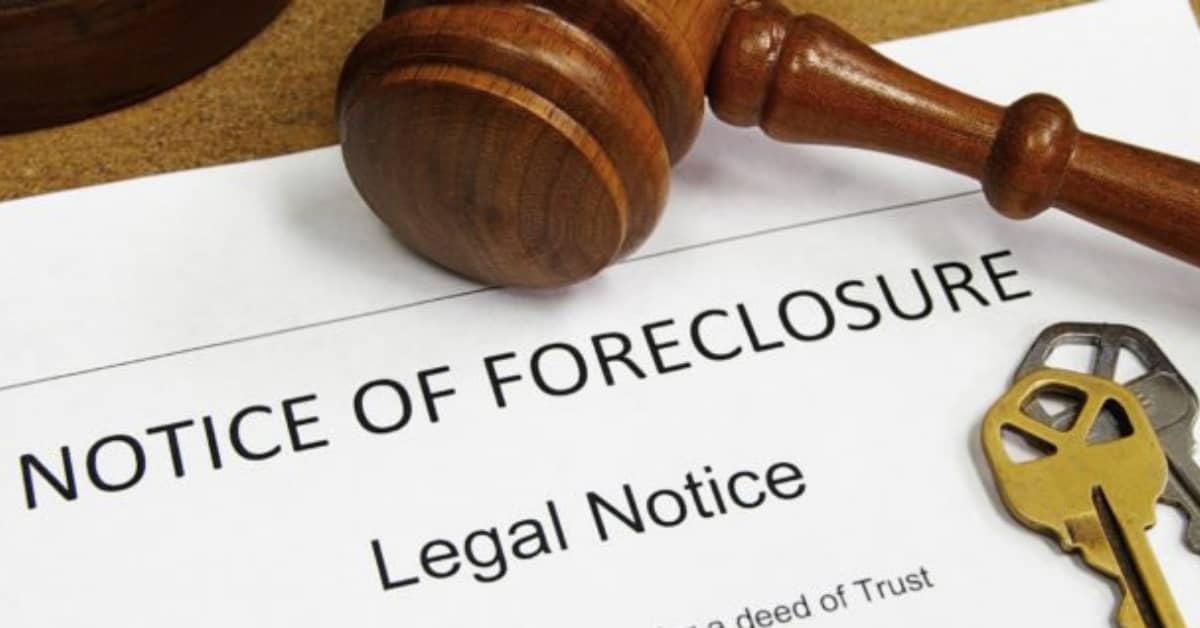
Buying a Foreclosure in Orlando: The 2026 Guide
If you’re researching buying a foreclosure in Orlando, you’re probably chasing the same thing every buyer is chasing: a deal. That can happen—but only if you understand how foreclosures actually work in Central Florida, what you can (and can’t) negotiate, and how to protect yourself from expensive surprises.
Quick Answer (Featured Snippet): Buying a foreclosure means purchasing a property where the lender (or auction winner) is selling after the owner defaulted. In Orlando, foreclosures are usually sold “as-is,” can involve title or repair risks, and often favor cash or strong financing. The smartest move is to verify condition, liens, and timelines before you commit.
What “Buying a Foreclosure” Actually Means
A foreclosure happens when a homeowner falls behind on their mortgage and the lender takes legal steps to recover the property. Once the process is far enough along, the home is sold—either at auction or later as a bank-owned (REO) listing. That “discount” you’re hoping for is basically compensation for extra risk, extra rules, and less seller cooperation.
In 2026, foreclosure inventory in Orlando still isn’t a giant bargain bin like 2010—but deals exist in pockets of the market. You’ll want to compare what you’re seeing against current local trends using Orlando Market Reports.
The 3 Main Ways to Buy a Foreclosure in Central Florida
Most buyers don’t realize there are multiple “foreclosure” paths. Where the home sits in the process changes everything: inspections, financing, title risk, and how fast you need to move.
| Type | Who You’re Buying From | Best For | Main Risks | Financing Friendly? |
|---|---|---|---|---|
| Pre-Foreclosure | Owner (before auction) | Patient buyers who want inspections + traditional closing | Short deadlines, payoff/approval complexity, deal can fall apart | Usually yes (depends on condition + lender/short sale status) |
| Foreclosure Auction | County/court auction process | Experienced buyers/investors with cash + risk tolerance | Limited access/inspection, occupancy, title/liens, deposit rules | Often no (cash or very specific terms) |
| REO / Bank-Owned | Lender/asset manager after auction | Most everyday buyers who want a “normal-ish” transaction | As-is, slower bank responses, repair/condition issues | Sometimes (stronger if property meets loan standards) |
How the Foreclosure Buying Process Works (Step-by-Step)
Big-picture, the steps look similar to a traditional purchase. The difference is the rules, timelines, and risk points are heavier. Here’s the practical roadmap I walk Orlando buyers through.
Step 1: Choose your lane (pre-foreclosure vs auction vs REO)
If you need an inspection, appraisal, and financing, you’re usually targeting REOs (and occasionally pre-foreclosures). If you want the deepest discounts and can handle uncertainty, that’s auction territory.
Step 2: Get fully underwritten (or as close as possible)
Foreclosure listings move fast when priced right. A casual pre-approval letter often isn’t enough. The more solid your financing file is, the more seriously you’ll be taken—especially if you’re competing with cash.
Step 3: Budget beyond the purchase price
Foreclosures are commonly sold “as-is,” and Orlando buyers routinely underestimate rehab costs. Your real budget should include:
- Repairs and deferred maintenance (roof, HVAC, plumbing, electrical)
- Utilities reactivation and inspections
- Pest issues (termites are not rare in Florida)
- Insurance surprises (older roofs can change the whole deal)
- HOA/condo requirements and approvals
Step 4: Verify condition (and don’t play hero)
Even when a foreclosure looks “fine,” hidden issues are common—especially if a home sat vacant. If inspections are allowed, do them. If inspections are not allowed (common at auctions), assume you’ll find problems and price your offer accordingly.
Step 5: Protect yourself on title and liens
This is where buyers get burned. “Foreclosure” doesn’t automatically mean “clean title.” Depending on the situation, there can be unpaid property taxes, HOA/condo balances, code enforcement items, or other liens that become your headache if you don’t check properly.
Step 6: Make a strategic offer (and expect slow responses)
Banks don’t negotiate like people. They negotiate like committees. They may counter, request addenda, or take weeks to respond. The strongest offers usually include:
- Proof of funds / strong lender letter
- Clean terms (reasonable inspection period, realistic closing date)
- Earnest money that shows you’re serious
- Clear understanding of “as-is” and bank addenda
Step 7: Close with a plan for immediate repairs
Once you close, you own every problem—known and unknown. If you’re buying an Orlando foreclosure as a primary residence, have contractors lined up and cash reserves ready so you’re not stuck living in a construction zone longer than planned.
Financing a Foreclosure in 2026: What Actually Works
Financing is possible on many REO purchases, but it depends on condition. If the home can’t meet basic livability standards, lenders may say “no” even if you’re well-qualified.
Common financing routes
- Conventional: Often the most flexible if the property is in decent shape.
- FHA / VA: Possible, but the home must meet stricter property standards. Many foreclosures won’t qualify without repairs.
- FHA 203(k) / renovation loans: Great on paper for fixer-uppers, but paperwork and contractor requirements are real. These work best when the deal timeline allows it (often easier on REOs than auctions).
- Cash / hard money: Common for auctions and heavy rehabs. Higher risk, higher cost, but faster execution.
Real talk: if you’re trying to buy a distressed property in Orlando with minimal cash reserves, you’re stacking the deck against yourself. Foreclosures reward buyers who can absorb surprises.
Pros and Cons of Buying a Foreclosure
Pros
- Potential discount compared to similar homes (varies by neighborhood and condition).
- Less emotional negotiation in many REO situations—banks care about numbers and process.
- Opportunity to add value through repairs and upgrades (especially for investors).
Cons
- As-is condition with limited repair credits.
- Unknown history (maintenance, permits, unreported damage).
- Title and lien risk if you don’t do proper due diligence.
- Competition from investors who are faster and often pay cash.
- Longer, less predictable timelines with bank-owned transactions.
Common Mistakes Buyers Make (and How to Avoid Them)
- Chasing the lowest price instead of the best total deal (price + repairs + time + risk).
- Skipping inspections when they’re available—or not pricing risk correctly when they aren’t.
- Underestimating insurance hurdles (roof age and condition can derail closings in Florida).
- Ignoring HOA/condo realities (approvals, special assessments, restrictions, unpaid balances).
- Assuming “foreclosure = clean title” and not treating title work seriously.
- Not planning for delays (bank response times, addenda, asset manager steps).
- Trying to use FHA/VA on a property that can’t qualify and losing time (and sometimes money).
How It Works in Orlando: Local Reality Checks
Buying a foreclosure in Orlando isn’t the same as buying in a slower market. Central Florida has strong investor activity, and the best-priced bank-owned homes can attract multiple offers quickly—especially in popular areas near job centers, schools, and commuter corridors.
What Orlando buyers typically see in 2026
- REO inventory comes in waves, not a steady stream. When good ones hit, they get attention.
- “Livable condition” is everything if you’re financing. Cosmetic work is fine; major system failures are not.
- Some “foreclosure” leads are really distressed/dated homes priced aggressively—still worth it, but not always a true foreclosure discount.
- Neighborhood matters more than ever. A cheap foreclosure in a weak rental pocket can be a long-term regret.
Orlando-specific due diligence I recommend
- Review property history and permits when possible (unpermitted work is a common Florida headache).
- Confirm flood zone and insurance implications early.
- Price out roof/HVAC/plumbing before you “fall in love.” Those are the big-ticket items that change the math fast.
- Check HOA/condo documents and fees up front.
Practical Checklist: Before You Buy a Foreclosure
- Financing: Strong pre-approval (or proof of funds) and reserves for repairs.
- Comparable sales: Know the real market value, not just the list price.
- Condition plan: Inspection (if allowed) + a repair budget with a cushion.
- Title plan: Quality title work and a clean path to ownership.
- Timeline: Assume delays. Don’t plan your life around a perfect 30-day closing.
- Exit strategy: Are you living there, renting it, or flipping it? Each strategy changes the “right” deal.
FAQ: Buying a Foreclosure in Orlando
1) Are foreclosures really cheaper in Orlando?
Sometimes. The discount depends on condition, location, and how aggressively the asset is priced. Many “cheap” foreclosures aren’t cheap after repairs and insurance are added in.
2) Can I buy a foreclosure with an FHA loan?
Yes—if the home meets FHA property standards. Many foreclosures don’t, especially if there are roof, electrical, plumbing, or safety issues.
3) What’s the difference between an REO and a foreclosure auction?
At auction, you’re usually buying with limited information and more risk. REO (bank-owned) is typically listed for sale after auction and can allow inspections and financing, depending on condition.
4) Do foreclosures always sell “as-is”?
Most of the time, yes. Banks rarely make repairs. You should assume you’re responsible for fixes unless the contract explicitly says otherwise.
5) Can I inspect a foreclosure before I buy it?
Often on REO listings, yes. At auctions, frequently no. If you can inspect, do it. If you can’t, price your offer like you’re going to find problems—because you probably will.
6) What liens can come with a foreclosed property?
It varies, but buyers should worry about things like unpaid property taxes, HOA/condo balances, and municipal/code enforcement items. Proper title work is critical.
7) Why do banks take so long to respond to offers?
Because approvals can run through multiple layers (asset manager, servicer, investor guidelines). It’s normal for responses to be slower than a traditional sale.
8) Is buying a foreclosure a good idea for first-time buyers?
It can be, but it’s not beginner-friendly. The safest “first foreclosure” is usually a bank-owned home in decent condition where inspections and normal financing are allowed.
9) What should I budget for repairs on an Orlando foreclosure?
There’s no universal number, but you should plan for a meaningful cushion beyond your down payment and closing costs. Big systems (roof/HVAC/plumbing) can change your total cost quickly.
10) Should I work with an agent to buy a foreclosure?
Yes—especially in Orlando where competition is real and foreclosure contracts/addenda can be unforgiving. An experienced agent helps you avoid bad deals and move quickly on good ones.
Summary: The Smart Way to Buy a Foreclosure in 2026
Buying a foreclosure can be a strong strategy in Orlando—but only when the math works after repairs, insurance, title, and timeline risk. If you want a “simple” purchase, a foreclosure usually isn’t it. If you want a better deal and you’re willing to do the due diligence, it can absolutely pay off.
Talk to Orlando Realty Consultants Before You Make an Offer
If you’re serious about buying a foreclosure in Central Florida, don’t do it blind. The right guidance can save you from overpaying, inheriting hidden costs, or buying a property that can’t be financed.
Orlando Realty Consultants
Phone: 407-902-7750
Service Area: Central Florida
Want a realistic plan based on your budget and risk tolerance? Start with a quick call. We’ll talk through the best neighborhoods, the best path (REO vs auction vs pre-foreclosure), and what to watch for before you write an offer.
Orlando Realtors who tell it like it is—so you can buy smart.
Reference: National Association of Realtors (membership/industry resource) NAR
SCHEMA MARKUP

Jenny Zamora is a trusted Orlando Realtor with Orlando Realty Consultants, known for helping buyers, sellers, and investors navigate the Central Florida market with clarity and confidence. Jenny takes a relationship-first approach—listening closely, educating her clients, and guiding each step with honest advice and strong negotiation. Whether you’re buying your first home, relocating, selling to upgrade, or exploring investment opportunities, Jenny is committed to making the process smooth, strategic, and stress-free.
To learn more about Jenny’s professional membership and credentials, visit her REALTOR® member profile here.
