
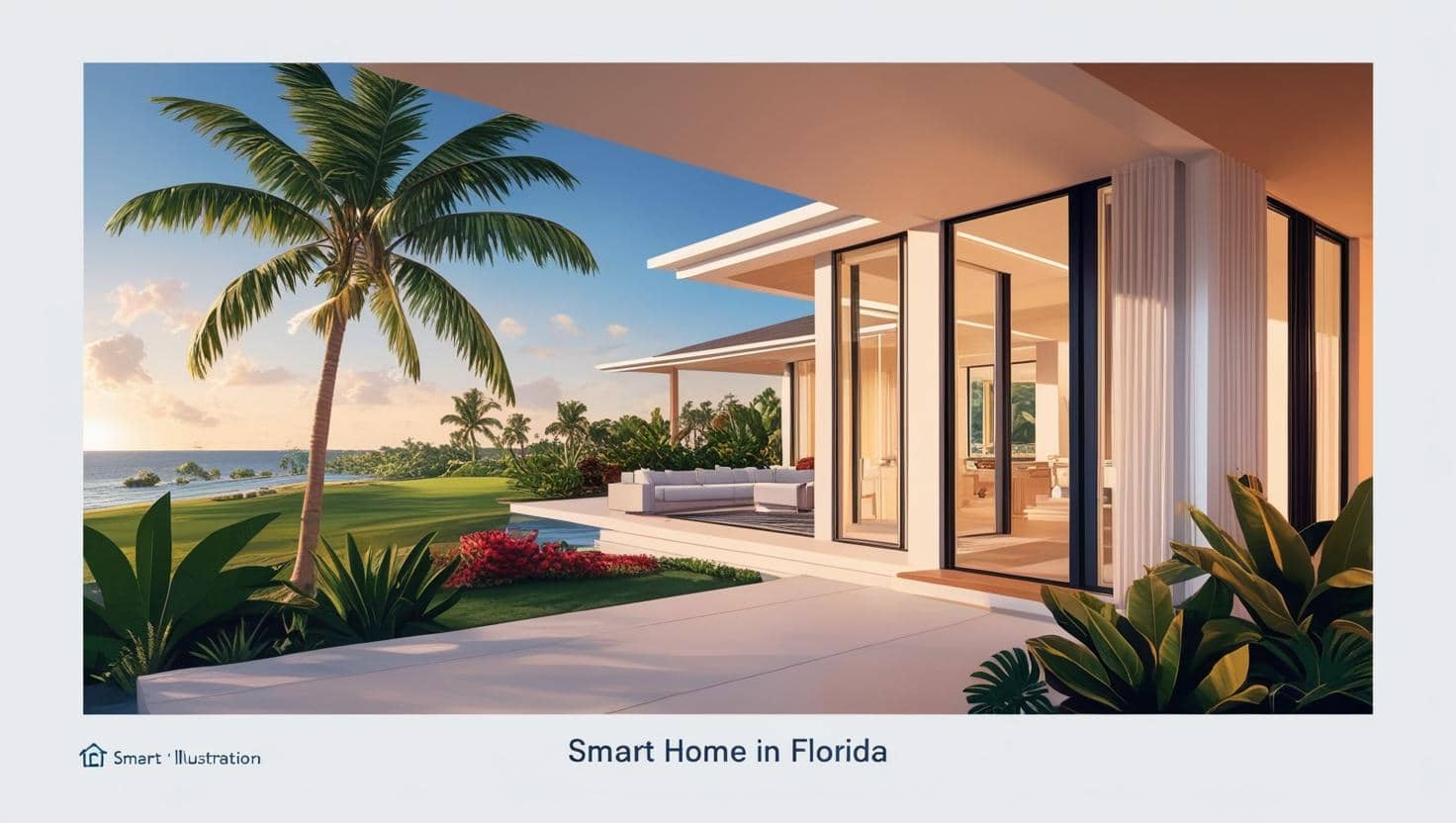
Florida’s Luxury Real Estate in 2026: What Buyers Want!

Luxury real estate in FL refers to high-end properties typically priced in the top 5–10% of a market’s pricing range, offering premium amenities, elite locations, and sophisticated design. In 2026, buyers seek privacy, technological integration, and lifestyle appeal — especially in Central Florida markets like Windermere and Isleworth.

What Is Luxury Real Estate in FL?

Luxury real estate in Florida encompasses high-value homes — from waterfront estates and golf course mansions to designer condos with panoramic views. These properties aren’t just expensive; they offer features, craftsmanship, and exclusivity beyond standard homes, often priced well above the local median. In metro areas like South Florida, ultra-luxury homes above $10M have hit historic levels of sales activity. :contentReference[oaicite:0]{index=0}

Why Florida Still Dominates the Luxury Market

  • No state income tax: Wealth migration from high-tax states continues to fuel demand.
  • Coastal and lakefront access: Premium water views remain a perennial draw.
  • Strong international interest: Buyers from Latin America, Europe & Asia still invest here. :contentReference[oaicite:1]{index=1}
  • Stable appreciation: Luxury prices are rising faster than many other U.S. markets. :contentReference[oaicite:2]{index=2}

Key Trends Shaping Luxury Real Estate in FL for 2026

1. Balanced Market With Smart Buyer Advantage

After the pandemic surge, Florida’s luxury market has matured. Inventory is up in some segments, giving buyers more options, while ultra-prime properties remain competitive. :contentReference[oaicite:3]{index=3}

2. Tech, Security & Sustainability

Smart home systems, advanced security, and eco-friendly design are now expected features in high-end homes. These upgrades increase comfort and long-term value. :contentReference[oaicite:4]{index=4}

3. Shift Toward Turnkey & Lifestyle Luxury

Buyers increasingly prefer move-in ready estates with curated finishes, wellness spaces, and functional luxury over shell homes that need renovation. :contentReference[oaicite:5]{index=5}

4. Diverse Buyer Profiles

Luxury buyers range from families looking for spacious estates with privacy to professionals wanting modern amenities and investors seeking resilient assets. International and out-of-state buyers remain important demand drivers. :contentReference[oaicite:6]{index=6}

What Buyers Expect in Luxury Homes

  • Direct waterfront or panoramic views
  • High-end kitchen and baths with designer fixtures
  • In-home wellness and fitness areas
  • Dedicated office space with premium connectivity
  • Custom finishes and high-end materials

Luxury Real Estate in Orlando: Local Market Highlights

Central Florida is carving out its own luxury identity. Communities like Windermere, Isleworth, and Lake Nona are prized for lakefront living, strategic locations near top schools, and proximity to lifestyle hubs. Prices in luxury segments here are strong, often exceeding the regional median by a significant margin. :contentReference[oaicite:7]{index=7}

Why Central Florida Stands Out

  • Lakefront & gated neighborhoods: High demand for privacy and prestige.
  • Proximity to Orlando amenities: Easy access to airports, schools, entertainment, and dining.
  • Secondary home appeal: Many buyers use these estates as retreats or investment properties.

How to Navigate Buying Luxury Real Estate in FL

  1. Define your priorities: Waterfront vs. golf vs. privacy.
  2. Get pre-qualified for financing: Luxury buyers benefit from cash positioning or jumbo loans.
  3. Work with an experienced local agent: Expertise matters for negotiating terms and uncovering off-market opportunities.
  4. Inspect with experts: High-end features often need specialized inspection (smart systems, pools, docks).
  5. Understand closing costs: Budget for fees — see CFPB – Closing Cost Guide for details.

Common Mistakes Buyers Make

  • Underestimating ongoing maintenance costs
  • Skipping detailed inspections due to confidence in luxury finishes
  • Failing to consider insurance costs (especially coastal properties)

Luxury Real Estate & Local Infrastructure

Investing in the region means understanding community dynamics. The City of Orlando continues to expand infrastructure and quality-of-life amenities, making nearby luxury properties more attractive to long-term residents and investors alike.

Quick Comparison: Luxury Market Stats

SegmentTrendOrlando Focus
Ultra-Luxury ($10M+)High demand, cash salesLess common than South FL but rising interest
Lakefront EstatesStrong buyer appetiteWindermere & Butler Chain
Modern Luxury HomesSmart systems + sustainabilityUrban + suburban appeal

Summary

Luxury real estate in FL remains resilient, appealing to diverse buyers seeking lifestyle, location, and long-term value. Central Florida — especially Orlando’s premier communities — continues to attract attention for both primary residences and investment properties. With shifting preferences and evolving trends, working with an expert Realtor makes all the difference.

Ready to Explore Luxury Homes in Florida?

If you’re serious about buying or selling a luxury property, let Orlando Realty Consultants guide you through every step. Se habla español — call us at 407-902-7750 for tailored insights and elite service.

Explore options like Luxury Homes in FLorida and get started today.

Frequently Asked Questions

What defines luxury real estate in FL?

Luxury real estate in FL typically refers to properties in the top price tier of their market, offering premium locations and amenities beyond standard homes.

Is Orlando considered a luxury market?

Yes — Orlando’s high-end neighborhoods, lakefront estates, and exclusive gated communities continue to command premium prices and strong buyer interest.

How much should I budget for closing costs on a luxury home?

Closing costs vary based on price and financing. For guidance, check the CFPB – Closing Cost Guide.

Are international buyers active in FL luxury real estate?

Yes, buyers from around the world continue investing in Florida luxury properties for lifestyle and tax advantages.

What trends should luxury buyers watch in 2026?

Expect more tech-integrated homes, turnkey properties, and amenities that support wellness and remote work.

How do property taxes affect luxury homes in FL?

Property taxes are based on assessed value. For luxury homes, taxes can be substantial — work with a local agent to understand liabilities.

Should I finance or pay cash for a luxury home?

Cash gives negotiation leverage, but many buyers use jumbo financing. Your strategy should align with financial goals.

Which areas of Florida are hottest for luxury real estate?

South FL (Miami, Palm Beach) leads in ultra-luxury; Central Florida’s elite communities are also gaining steam.

Let's Keep In Touch!

New ORC Form Lead

"*" indicates required fields

TOC*

Best Up-and-Coming Neighborhoods in Orlando (2026 Buyer Guide)

Orlando changes fast. One year a pocket feels “quiet and local,” the next it has new cafés, road work, and multiple offers on the same bungalow. This guide breaks down the best up-and-coming neighborhoods in Orlando using a simple, buyer-friendly framework—so you can spot real momentum (not hype) and make a smart move.

The best up-and-coming neighborhoods in Orlando are areas seeing steady renovation, new local businesses, infrastructure improvements, and strong buyer demand—while still offering more value than fully “peaked” zip codes. In 2026, many buyers are watching Milk District, Audubon Park, Mills 50, Ivanhoe Village, SoDo, Curry Ford West, Lake Nona, and Horizon West for growth, lifestyle, and long-term resale.

What “Up-and-Coming” Really Means in Orlando

In real estate, “up-and-coming” should mean measurable change—not just trendy headlines. In Orlando, the biggest tells are:

  • Renovation activity: older homes being updated (not just investor flips—also owner upgrades)
  • Local business growth: independent restaurants, coffee, breweries, markets, and neighborhood events
  • Infrastructure improvements: road projects, safer crossings, trail connections, parks, and streetscapes
  • Housing mix: a blend of starter homes, townhomes, and some new infill—without losing neighborhood character
  • Demand signal: homes that are priced right don’t sit forever, even in a slower market

If you’re new to the area, start with an overview of Orlando Florida and how the city’s growth patterns work (jobs, highways, major hubs).

How to Use This Guide (Simple Framework)

For each neighborhood below, you’ll see:

  • Why it’s rising: what’s actually changing
  • Best for: who typically loves it (first-time buyers, families, professionals, investors)
  • Housing reality: what you can buy (bungalows, townhomes, condos, new builds)
  • Watch-outs: the issues buyers regret ignoring (traffic, flood zones, noise, HOA limits, zoning)

Comparison Table: Orlando Neighborhoods on the Rise

Use this quick table to narrow your shortlist. Then read the deeper notes under each area.

Neighborhood / Corridor Vibe Typical Housing Best For Key Watch-Out
Milk District Local + creative Bungalows, small lots, infill First-time buyers, professionals Renovation quality varies
Audubon Park Eco-minded + walkable pockets Mid-century, bungalows, some remodels Lifestyle buyers Tight inventory
Mills 50 Food scene + urban Older homes, duplexes, infill Young professionals Traffic/noise on main roads
Ivanhoe Village Arts + lake-adjacent Historic homes, condos, mixed use Walkability seekers Parking + older home systems
SoDo Convenient + practical Condos, townhomes, established streets Medical/work commuters Road congestion at peak hours
Curry Ford West / Conway Community-driven + improving Mid-century ranches, remodels Value hunters Lot drainage/flood zones vary
Lake Nona Master-planned + modern Newer builds, townhomes, gated pockets Families, professionals HOAs + CDDs in some areas
Horizon West Fast-growing + suburban New construction, planned villages New build shoppers Growth = traffic + construction

The Best Up-and-Coming Neighborhoods in Orlando (Deep Dive)

1) Milk District

Why it’s rising: The Milk District continues to stack local businesses, events, and renovation momentum. It’s one of the most consistent “early gentrification” patterns in Orlando: older homes + strong location + lifestyle demand. :contentReference[oaicite:12]{index=12}

  • Best for: buyers who want character, proximity to downtown, and a social scene
  • Housing reality: smaller bungalows and infill—condition varies a lot street-to-street
  • Watch-outs: not all remodels are equal; do a real inspection (roof, cast iron/drain lines, electrical updates)

2) Audubon Park

Why it’s rising: Audubon Park has become a lifestyle neighborhood—walkable pockets, local shops, and a “buy local” feel that keeps demand strong. :contentReference[oaicite:13]{index=13}

  • Best for: buyers prioritizing vibe and community events over big square footage
  • Housing reality: mid-century homes and bungalows; renovated homes command premiums
  • Watch-outs: inventory can be tight, so you need a plan before you tour

3) Mills 50

Why it’s rising: Mills 50 has become one of Orlando’s strongest “food + nightlife + close-in” corridors. When a neighborhood becomes a destination, real estate typically follows.

  • Best for: young professionals and buyers who want urban energy
  • Housing reality: older homes, some duplex/income setups, and scattered new infill
  • Watch-outs: traffic/noise if you’re too close to major roads—location inside the neighborhood matters

4) Ivanhoe Village (Lake Ivanhoe area)

Why it’s rising: Ivanhoe Village blends lake-adjacent living with boutiques and a creative vibe—exactly the mix that tends to stay resilient long-term. Your current page already highlights it as a top “culture + creativity” pick near downtown. :contentReference[oaicite:14]{index=14}

  • Best for: buyers who want a close-in neighborhood with personality
  • Housing reality: historic homes, some condos, and mixed-use edges
  • Watch-outs: older home systems (plumbing/electrical), parking constraints near commercial pockets

5) SoDo (South of Downtown)

Why it’s rising: SoDo is a practical buy: strong commuter access and employer proximity, especially around the medical corridor and downtown access. It’s repeatedly mentioned as “convenient and affordable (for how close it is).” :contentReference[oaicite:15]{index=15}

  • Best for: healthcare workers, downtown commuters, and buyers who want convenience first
  • Housing reality: condos/townhomes plus established residential streets nearby
  • Watch-outs: traffic at peak hours; be realistic about commute times (try the drive at 8am and 5pm)

6) Curry Ford West (and adjacent Conway pockets)

Why it’s rising: Curry Ford West is one of the best examples of “Main Street momentum”—local businesses, breweries/restaurants, and community identity building value over time. :contentReference[oaicite:16]{index=16}

  • Best for: buyers who want value closer to downtown without paying premium zip code prices
  • Housing reality: mid-century ranch homes, lots of remodel activity
  • Watch-outs: drainage/flood zone differences block-by-block; don’t guess—verify

7) Lake Nona

Why it’s rising: Lake Nona keeps attracting employers and buyers who want newer homes and master-planned amenities. Multiple competitor-style guides consistently include it as a top Orlando neighborhood. :contentReference[oaicite:17]{index=17}

  • Best for: families and professionals who want newer construction, amenities, and proximity to the airport
  • Housing reality: townhomes to higher-end gated pockets; many communities have HOA rules
  • Watch-outs: confirm HOA/CCD/CDD-type costs (where applicable) and rental restrictions before you buy

8) Horizon West (West Orange growth corridor)

Why it’s rising: Horizon West is still in “build mode,” which is exactly why some buyers love it: new schools, new retail, new homes. It’s repeatedly cited as a 2026 “watch” area. :contentReference[oaicite:18]{index=18}

  • Best for: buyers who want new construction and planned neighborhoods
  • Housing reality: newer subdivisions and townhome communities; inventory can move in waves
  • Watch-outs: construction + traffic are part of the deal—don’t be surprised later

Practical Buyer Checklist: How to Pick the Right “Up-and-Coming” Area

  1. Define your non-negotiables: commute time, schools, walkability, yard, HOA tolerance, budget ceiling.
  2. Choose 2–3 “target corridors,” not 12 random neighborhoods. You’ll shop faster and negotiate stronger.
  3. Verify costs beyond price: insurance, taxes, HOA, and any community fees.
  4. Check risk items early: flood zone/lot drainage, busy-road noise, airport flight paths, older plumbing/electrical.
  5. Tour at different times: weeknight traffic, weekend noise, parking, and overall feel.
  6. Compare like-for-like: same bed/bath, similar condition, similar lot, similar commute access.
  7. Plan your offer strategy: in hot pockets, “pretty and priced right” still goes fast.

If you need a general primer on the buying process, this is a solid reference: Realtor.com – Buying Guide.

Pros and Cons of Buying in an Up-and-Coming Neighborhood

Pros

  • More upside potential: you may buy before the area hits peak pricing.
  • Better lifestyle value: close-in neighborhoods can offer time savings and local culture.
  • Renovation leverage: smart improvements can build equity (when done correctly).

Cons

  • Uncertainty: some areas improve faster than others; timelines aren’t guaranteed.
  • Renovation risk: bad flips exist—cosmetic updates can hide expensive problems.
  • Growing pains: traffic, construction, and changing neighborhood character can be real.

Common Mistakes (Don’t Do These)

  • Buying off vibes only: “cool area” doesn’t automatically mean strong resale for your specific home.
  • Ignoring the street factor: the same neighborhood can have A+ streets and “not for me” streets.
  • Skipping HOA/rental rules: especially important for investors and future flexibility.
  • Not verifying flood/drainage: in Central Florida, this is not optional homework.
  • Overpaying for a flip: if the remodel is sloppy, you can inherit a problem list.

How It Works in Orlando (Local Context You Should Know)

Orlando is a patchwork market. Two neighborhoods can be 10 minutes apart and feel like different cities. Here’s what tends to drive “up-and-coming” patterns locally:

  • Downtown-adjacent growth: close-in neighborhoods with character often rise as buyers seek shorter commutes and more lifestyle.
  • Corridor effect: when a retail/restaurant corridor improves, surrounding streets usually benefit.
  • New construction magnets: planned communities grow fast (and can create traffic fast, too).
  • Investor vs. owner balance: the best “long-term” neighborhoods usually keep a healthy owner-occupant base.

When you’re ready to shop seriously, having access to accurate inventory matters. That’s why we build searches that pull directly from the MLS and then narrow by the features that actually move value in Orlando (street location, condition, lot, fees, and commute access).

Next Steps: How to Tour Smarter and Make a Strong Offer

  1. Pick 3 neighborhoods from this list that match your lifestyle and budget.
  2. Get a tailored list of active + “coming soon / likely soon” homes (where possible) so you’re not always behind.
  3. Tour with a scorecard: condition, street, layout, fees, insurance outlook, and resale factors.
  4. Write offers based on reality: comps, condition, and demand—not just emotions.

Work With Orlando Realty Consultants (Local Guidance, Straight Talk)

If you want help narrowing the best up-and-coming neighborhoods in Orlando for your exact needs, we’ll keep it practical and honest—no hype, no pressure. We’ll show you what’s truly moving, what’s overpriced, and what risks to avoid.

FAQs: Best Up-and-Coming Neighborhoods in Orlando

1) What are the best up-and-coming neighborhoods in Orlando right now?

In 2026, many buyers are watching Milk District, Audubon Park, Mills 50, Ivanhoe Village, SoDo, Curry Ford West, Lake Nona, and Horizon West due to renovation momentum, lifestyle demand, and continued growth. :contentReference[oaicite:19]{index=19}

2) Are up-and-coming neighborhoods in Orlando still affordable?

Some are, but affordability depends on the exact street, condition, and whether you’re comparing them to fully established premium areas. The best “value” usually comes from buying the right home in the right pocket—not chasing the trendiest intersection.

3) Which Orlando neighborhoods are best for walkability and nightlife?

For walkable pockets and a strong local scene, buyers often focus on areas like Mills 50, Ivanhoe-adjacent pockets, and the Milk District—where local dining and events are a big part of the appeal. :contentReference[oaicite:20]{index=20}

4) Which areas are best for newer construction and planned amenities?

Lake Nona and Horizon West are popular choices for buyers who want newer homes, community amenities, and planned growth—just be sure you’re comfortable with HOA rules and ongoing construction in fast-growing corridors. :contentReference[oaicite:21]{index=21}

5) What should I watch out for when buying an older home in these areas?

Focus on the big-ticket items: roof age, plumbing type and condition, electrical updates, drainage, and renovation quality. Cosmetic upgrades are easy; hidden system problems are expensive.

6) How do I know if a neighborhood is truly improving?

Look for consistent renovation activity, growing local businesses, public improvements, and steady buyer demand. Also compare days-on-market and price reductions for similar homes in the same micro-area (street-to-street matters).

7) Is it better to buy the “worst house on the best street” in an up-and-coming area?

Often, yes—if the home is structurally sound and the street location is strong. In close-in Orlando neighborhoods, street quality can make a major difference in resale.

8) Are these neighborhoods good for investors?

Some can be, especially where there’s strong rental demand and commuter convenience (SoDo, close-in corridors). But investors must confirm rental restrictions, insurance costs, and realistic rent comps before assuming the numbers work.

9) How do I get a list of homes in these neighborhoods that match my budget?

Call Orlando Realty Consultants at 407-902-7750 and we’ll set up a search by neighborhood, commute needs, and must-haves—then we’ll help you compare options objectively.

Let's Keep In Touch!

New ORC Form Lead

"*" indicates required fields

TOC*

Living in Kissimmee, Florida 🏡

Living in Kissimmee Florida: What It’s Really Like

Living in Kissimmee Florida offers more affordable home prices than Orlando, easy access to theme parks, and a growing local economy. It’s popular with families, commuters, and investors, but traffic, tourism, and neighborhood quality vary widely—making local guidance essential.

What Does Living in Kissimmee Mean?

Living in Kissimmee means you’re just south of Orlando, close to world-famous attractions, major highways, and a wide range of housing options. Kissimmee blends long-time local neighborhoods with newer master-planned communities, short-term rental zones, and suburban family areas.

It’s a city where you can buy a starter home, invest in a vacation rental, or find space for a growing family—often at a lower price point than Orlando proper.

Where Is Kissimmee Located?

Kissimmee is located in Osceola County, just south of Orlando and minutes from Walt Disney World. Its location near US-192, Florida’s Turnpike, and I-4 makes commuting into Orlando, Lake Buena Vista, and surrounding areas manageable.

Kissimmee Florida is close enough to enjoy Orlando amenities without paying Orlando prices—one of its biggest draws.

Cost of Living in Kissimmee

The cost of living in Kissimmee is generally lower than Orlando, especially when it comes to housing. Utilities and insurance costs are similar across Central Florida, but home prices and property taxes tend to be more affordable.

Expense Kissimmee Orlando
Median Home Price Lower Higher
Property Taxes Moderate Moderate–High
Utilities Similar Similar
Insurance Similar Similar

Homes and Real Estate in Kissimmee

Kissimmee real estate ranges from older single-family homes to new construction communities and townhomes. You’ll also find designated short-term rental zones near Disney, which attract investors.

Home searches typically start on the MLS, but knowing which neighborhoods allow rentals—and which don’t—is critical.

Buyers should also review tax incentives and ownership benefits outlined in the IRS – Homebuyer Tax Benefits when planning long-term ownership.

Popular Neighborhoods in Kissimmee

  • Celebration-adjacent areas – walkable, well-planned communities
  • Poinciana – affordable homes with longer commutes
  • Buenaventura Lakes – established neighborhoods close to Orlando
  • West Kissimmee – newer homes near Disney and US-192

Schools in Kissimmee

Kissimmee schools fall under the Osceola County School District. Quality varies by zone, so buyers should review school boundaries carefully before committing to a home.

Jobs and Commuting

Many residents work in hospitality, healthcare, education, and logistics. Kissimmee is also popular with commuters who work in Orlando but want lower housing costs.

Pros and Cons of Living in Kissimmee

Pros

  • More affordable home prices
  • Close to Disney and attractions
  • Strong rental and resale demand
  • Diverse housing options

Cons

  • Traffic during tourist seasons
  • Some areas feel very tourist-heavy
  • Neighborhood quality varies widely

Common Mistakes Buyers Make in Kissimmee

  • Buying in short-term rental zones without understanding restrictions
  • Ignoring HOA rules and fees
  • Choosing a home based on price alone, not location

How Living in Kissimmee Works in Central Florida

Kissimmee functions as a bridge between Orlando’s job market and more affordable suburban living. It’s ideal for buyers who want proximity to attractions, flexible housing options, and strong long-term growth potential.

Helpful Resources for Buyers

First-time and relocating buyers should review the Realtor.com – Buying Guide for general education before narrowing down neighborhoods.

FAQs About Living in Kissimmee Florida

Is Kissimmee a good place to live?

Yes, especially for buyers looking for affordability, proximity to Orlando, and strong housing demand.

Is Kissimmee cheaper than Orlando?

In most cases, yes—home prices and rents are generally lower.

Is Kissimmee good for families?

Many neighborhoods are family-friendly, but school zoning matters.

Can I buy a short-term rental in Kissimmee?

Yes, but only in specific zones with strict rules.

How far is Kissimmee from Orlando?

Typically 20–35 minutes, depending on traffic.

Does Kissimmee flood?

Some areas require flood insurance—property-level checks are essential.

Is Kissimmee safe?

Safety varies by neighborhood, making local insight critical.

Are there HOAs in Kissimmee?

Yes, many communities have HOAs with different rules and fees.

Thinking About Moving to Kissimmee?

If you’re serious about living in Kissimmee, working with a local expert matters. Neighborhood rules, zoning, and long-term value can vary street by street.

Work With Orlando Realty Consultants

Orlando Realty Consultants helps buyers and investors navigate Kissimmee and all of Central Florida with clarity and honesty.

Call 407-902-7750 to talk through neighborhoods, pricing, and whether Kissimmee truly fits your goals.
Visit ORC to get started.

Let's Keep In Touch!

New ORC Form Lead

"*" indicates required fields

TOC*

Orlando Listing Agents Vs. Buyer’s Agents

You’ll probably never hear a listing agent ask a buyer’s agent, what’s the highest amount their client [the buyer] is willing to pay for a property. So why is it that some buyer’s agents think that it’s OK to ask listing agents how low their client [the seller] is willing to go on the price?

I don’t know of any good listing agents that would spill the beans anyway, why would they? When I became an Orlando Real Estate Agent, one of the first things I learned is that there are 3 things that you never reveal in a real estate negotiation…seller’s motivation, seller’s price, and the terms. It would be kind of like showing your cards to the other players at the table in a high-stakes poker game.

I guess you can’t blame buyers for wanting to feel out what the seller’s bottom line is before making an offer in writing. It’s mostly about saving time and effort. If the seller isn’t interested in accepting a lowball offer, then the buyer could save themselves the hassle of preparing a contract, pre-approval letter, etc. After that, the buyer then has to wait and see if it’s been accepted or not.

Although the seller’s “bottom line” as well as the buyer’s “best and final” is eventually revealed to each other, you can’t just skip the first part of the dance that we call negotiating. Sometimes I wish we could cut to the chase because it would save the realtor some time also.

So when a buyer’s agent asks me what my client’s bottom line is. I say “put your best and final offer in writing and I’ll present it to my client”, and that’s when the real negotiating begins.

Let's Keep In Touch!

New ORC Form Lead

"*" indicates required fields

TOC*