
The Ultimate Guide to Moving to Orlando: What Every Buyer Needs to Know

Relocating to Orlando: A Home Buyer’s Guide for 2026

Relocating to Orlando is one of the most common moves buyers make to Central Florida—but buying a home here is very different than in most other markets. This guide focuses on real estate realities, neighborhoods, pricing, and the mistakes buyers make when they don’t understand how Orlando really works.

Quick Answer: Relocating to Orlando Guide

Relocating to Orlando means understanding neighborhood differences, HOA rules, insurance costs, and fast-moving home prices before buying. Orlando offers strong job growth, diverse housing options, and long-term appreciation—but buyers need local guidance to avoid costly mistakes.

Why So Many Buyers Are Relocating to Orlando

Orlando continues to attract home buyers from across the country thanks to job growth, no state income tax, lifestyle appeal, and long-term real estate demand. Tourism anchors the economy, but healthcare, tech, aerospace, and logistics now drive steady population growth.

Between affordability (compared to other major metros), year-round activities, and a strong rental market, Orlando remains one of Florida’s most relocation-friendly cities—if you buy smart.

Understanding Orlando’s Housing Market (2026 Update)

The Orlando housing market is not uniform. Prices, competition, and inventory vary dramatically by neighborhood and property type.

Market Factor What Buyers Should Know
Home Prices More affordable than South Florida, but rising faster than national averages
Inventory Tight in popular areas; better options with new construction
HOAs Extremely common; rules vary widely and matter
Insurance Higher than many states—property age and location matter

Best Areas to Consider When Relocating to Orlando

Lake Nona

Known for medical and tech growth, new construction, and modern communities. Prices are higher, but appreciation has been strong.

Winter Garden & Horizon West

Popular with relocating families. Master-planned communities, newer homes, and proximity to major highways.

Dr. Phillips

Established neighborhoods, larger lots, and strong school zoning. Limited inventory but high demand.

Downtown Orlando & Surrounding Areas

Urban living, townhomes, and condos. Ideal for professionals and buyers who prefer walkability.

Buying vs. Renting When Relocating

Many buyers consider renting first—but in Orlando, this isn’t always the best move.

  • Rent prices remain high due to demand
  • Inventory for rentals is competitive
  • Buying can stabilize monthly costs long-term

If you plan to stay more than 2–3 years, buying often makes financial sense.

What Most Relocating Buyers Get Wrong

  • Ignoring HOA restrictions (rentals, parking, pets)
  • Underestimating insurance and taxes
  • Assuming all Orlando neighborhoods are similar
  • Waiting too long to make decisions in competitive areas

How Relocating to Orlando Works Differently

Orlando buyers must factor in flood zones, homeowner’s insurance availability, hurricane codes, and a subtropical climate. These directly affect property selection, maintenance, and resale value.

Proximity to attractions like Disney World can impact pricing, traffic, short-term rental rules, and HOA policies.

Step-by-Step Checklist for Relocating Buyers

  1. Define budget with Florida-specific costs
  2. Choose neighborhoods before choosing homes
  3. Get pre-approved with a local lender
  4. Review HOA documents before offering
  5. Schedule inspections familiar with Florida construction

Pros and Cons of Relocating to Orlando

Pros

  • No state income tax
  • Diverse housing options
  • Strong long-term appreciation
  • Job and population growth

Cons

  • HOA restrictions can surprise buyers
  • Insurance costs vary widely
  • Traffic in certain corridors

Frequently Asked Questions About Relocating to Orlando

Is Orlando a good place to buy a home in 2026?

Yes—especially for long-term buyers who choose the right neighborhood and understand local costs.

What’s the biggest mistake relocating buyers make?

Buying based on price alone without understanding HOA rules and insurance costs.

Do I need a Realtor when relocating to Orlando?

Yes. Local guidance matters. You can verify professionals through Realtors associations.

Are HOAs common in Orlando?

Extremely common—especially in newer communities.

Is new construction a good option?

Often yes, but contract terms and timelines require expert review.

How long does buying take when relocating?

Typically 30–45 days after contract, assuming financing is in place.

Is Orlando good for investment properties?

Yes, but zoning and HOA rules are critical.

What areas are best for families?

Winter Garden, Lake Nona, and Dr. Phillips are top choices.

Why Work With Orlando Realty Consultants

Relocating buyers need more than listings—they need strategy. Orlando Realty Consultants helps buyers navigate neighborhoods, pricing, HOAs, and contracts so they don’t learn expensive lessons the hard way.

If you’re relocating and want clear guidance from a local expert, work with an experienced Orlando Realtor who understands how Orlando real estate actually works.

Call Orlando Realty Consultants at 407-902-7750 to start your relocation the right way.
Let's Keep In Touch!

New ORC Form Lead

"*" indicates required fields

TOC*

Top 10 Neighborhoods to Buy a Home in Orlando in 2026


Top 10 Neighborhoods in Orlando to Buy a Home in 2026

Quick Answer: Orlando’s top 10 neighborhoods to buy a home in 2026 span a variety of lifestyles — from historic, walkable communities like Winter Park and College Park to planned areas like Lake Nona and family-centric suburbs like Hunters Creek. Each offers distinct amenities, school access, and long-term value.

When buyers search for the top 10 neighborhoods in Orlando to buy a home, they’re looking for communities that balance lifestyle, schools, safety, resale value, and overall quality of life. This updated guide digs into the best places across Central Florida in 2026 with local market insights tailored to buyers and investors.

How We Pick These Neighborhoods

  • Walkability & community feel
  • Schools and family friendliness
  • Access to jobs, entertainment & transport
  • Affordability and investment potential
  • Growth trends and future demand

1. Winter Park

Historic charm meets upscale lifestyle in Winter Park, one of Orlando’s most coveted neighborhoods. Expect tree-lined streets, cultural venues, boutique shopping and strong school options. Its long-standing appeal translates into stable home values and high resale demand.

2. Lake Nona

Lake Nona is a rapidly expanding, master-planned community with world-class amenities, wellness-oriented design, and strong employment hubs including Medical City. It remains a top choice for families and professionals seeking new construction and long-term growth potential. :contentReference[oaicite:0]{index=0}

3. Baldwin Park

A walkable, stylish community built around lakes and green spaces, Baldwin Park delivers a small-town feel with big-city convenience. Perfect for buyers who value community events, local shops, and a mix of housing options. :contentReference[oaicite:1]{index=1}

4. Dr. Phillips

Known for its lakefront living and proximity to Orlando’s top dining (Restaurant Row) and entertainment amenities, Dr. Phillips appeals to buyers who want luxury homes with family-friendly vibes. :contentReference[oaicite:2]{index=2}

5. Windermere

Luxury and nature come together in Windermere — a lakeside market with high-end estates and excellent schools. It’s one of Central Florida’s most valuable residential areas. :contentReference[oaicite:3]{index=3}

6. College Park

Just northwest of downtown, College Park blends vintage charm, local shops, and strong community connection. This neighborhood remains appealing to buyers who want proximity to urban amenities with a residential feel. :contentReference[oaicite:4]{index=4}

7. MetroWest

MetroWest pairs proximity to downtown with a wide range of housing types and established infrastructure — a good balance of convenience and value for buyers. :contentReference[oaicite:5]{index=5}

8. Hunters Creek

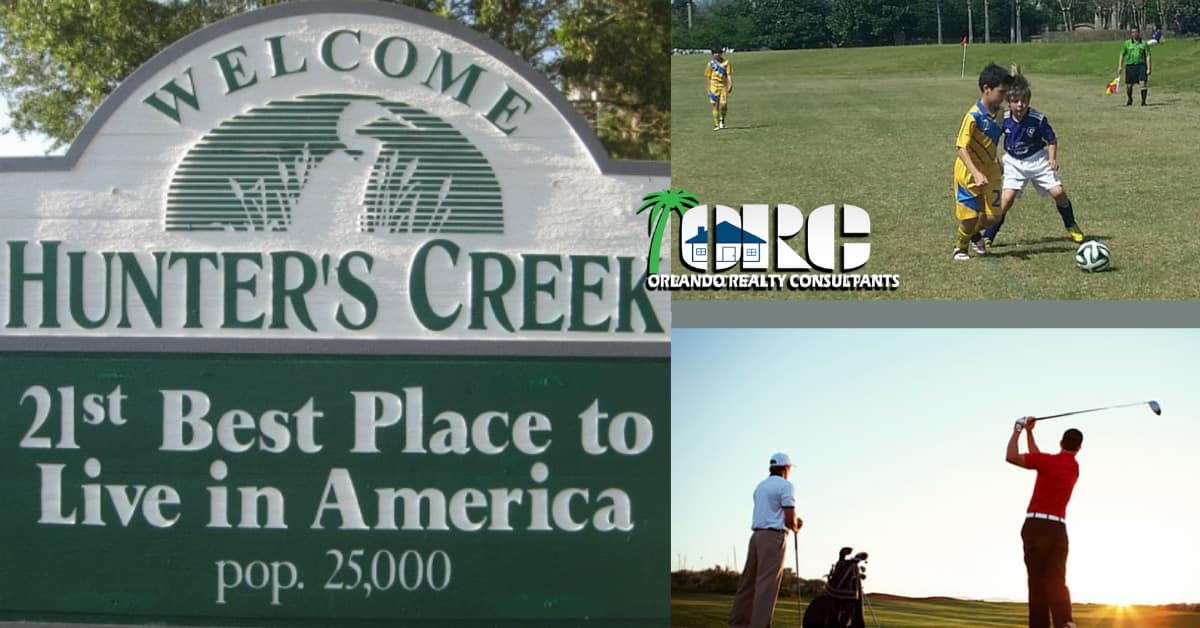
Family-oriented and affordable relative to some of Orlando’s premium communities, Hunters Creek draws buyers prioritizing green space, parks, and community activities. :contentReference[oaicite:6]{index=6}

9. Downtown Orlando & Lake Eola Heights

For buyers seeking an urban lifestyle, Downtown Orlando and adjacent Lake Eola Heights offer condos, cultural venues and an energetic environment. Proximity to restaurants and events is a big draw. :contentReference[oaicite:7]{index=7}

10. Waterford Lakes

A strong master-planned community in east Orlando, Waterford Lakes delivers family amenities, recreation, and easy access to daily needs — a compelling choice for many homebuyers. :contentReference[oaicite:8]{index=8}

Neighborhood Comparison at a Glance

NeighborhoodBest ForApprox. Home Price Range
Winter ParkLuxury & culture$$$
Lake NonaGrowth & families$$$
Baldwin ParkWalkable living$$
Dr. PhillipsUpscale & lakes$$$
WindermereLake estates$$$$
College ParkUrban-suburban mix$$$
MetroWestConvenience & value$$
Hunters CreekFamily & parks$-$$
Downtown OrlandoUrban lifestyle$$$
Waterford LakesCommunity living$-$$

What Buyers Should Consider in Orlando

Before you decide where to buy:

  • Visit neighborhoods at different times of day
  • Evaluate commute times to work and school
  • Review local school performance
  • Discuss HOA considerations with your agent

Next Steps — Work with a Local Realtor®

Every neighborhood above has strengths and trade-offs. The best fit depends on your lifestyle, budget and plans. As experienced Orlando Realtors, we help you evaluate options with real market data, walk you through schools and resale projections, and negotiate on your behalf. Start your search today!

Orlando Realty Consultants – Call 407-902-7750 to talk neighborhoods and homes in Central Florida.

Let's Keep In Touch!

New ORC Form Lead

"*" indicates required fields

TOC*

7 Things You Must Do Before Selling Your Home in Orlando

Get Your House Ready to Sell in Orlando in 2026

Quick Answer: To get your house ready to sell in Orlando, focus on curb appeal, a clean and neutral interior, smart repairs, and pricing based on local comps. Then stage for Florida living, prep documents, and launch with pro photos and online marketing. The goal is simple: fewer objections, faster offers, and stronger terms.

Selling in Central Florida is not the same as selling up north. Orlando buyers pay attention to roof age, HVAC performance, moisture issues, and how the home shows in bright Florida daylight. If you want top dollar, you need a plan that removes friction and makes your home easy to say yes to.


Why prepping matters more in Orlando right now

In a competitive market, buyers compare everything. Homes that feel move-in-ready typically attract better offers, while homes that look neglected invite lowballs, repair demands, and longer days on market. The good news: most of what makes a home sell faster is controllable.

What buyers notice first

  • Exterior impression and landscaping
  • Cleanliness and smell the moment they walk in
  • Natural light and paint color
  • Condition of big-ticket items like roof, HVAC, plumbing, and windows
  • Layout flow and room size perception

Step-by-step Orlando home selling prep plan

1. Start with a pricing and prep strategy, not guesswork

Before you spend money, get a clear plan: what to fix, what to leave alone, and how your home should be positioned against local competition. Online estimates can be helpful, but they miss nuance. Use Zillow for broad context, then confirm with a local strategy based on real comps and buyer behavior.

If you want a clear plan from the start, talk with a Listing agent in Orlando who can prioritize improvements that actually pay off.

2. Fix the items that kill deals in Florida

Orlando buyers and inspectors focus on systems and risk. In 2026, the biggest deal killers are usually not cosmetic. They are safety, functionality, water, and deferred maintenance.

  • HVAC: service it, replace filters, and address uneven cooling
  • Roof: repair leaks, missing shingles, and document age if possible
  • Water and moisture: fix leaks, recaulk tubs, address stains and soft spots
  • Electrical: outlets, GFCI where needed, loose fixtures, exposed wiring
  • Plumbing: drips, slow drains, running toilets, water heater condition

3. Clean like a buyer is allergic to dust

Clean sells. Period. You want your home to feel bright, fresh, and easy to maintain.

  • Deep clean baseboards, fans, vents, and blinds
  • Steam clean tile grout and shampoo carpets
  • Degrease kitchens and brighten bathrooms
  • Remove pet odors and strong fragrances

4. Declutter and depersonalize to create space

Less stuff makes rooms feel larger and helps buyers picture their life there. Pack early. You are moving anyway.

  • Clear counters, open surfaces, and minimize decor
  • Reduce closet contents so storage looks generous
  • Remove oversized furniture that blocks walkways
  • Store personal photos and bold collections

5. Paint and lighting: the fastest ROI combo

Neutral paint and good lighting make the home feel newer and more expensive. Replace burnt bulbs, match color temperature, and consider modern fixtures in key areas.

6. Curb appeal that matches Orlando expectations

Your first impression starts before the door opens. Orlando buyers expect a clean, cared-for exterior.

  • Pressure wash driveway, walkway, patio, and siding
  • Fresh mulch, trimmed edges, and healthy plants
  • Clean front door, new mat, updated house numbers
  • Touch up paint on trim and fix screens

7. Stage for Florida lifestyle

Orlando buyers love indoor-outdoor living. You do not need expensive staging, but you do need intention.

  • Open blinds and make light the star
  • Set up patios and lanais as usable living space
  • Keep it airy with light bedding and simple décor
  • Highlight community lifestyle when relevant, especially near Lake Nona

8. Prepare your paperwork early

Paperwork delays cost money. Get organized before you list.

  • HOA rules, fees, and approval process if applicable
  • Survey if you have one
  • Receipts for upgrades and repairs
  • Utility averages and service provider info
  • Insurance claims history if requested

9. Pre-list inspection: when it makes sense

A pre-list inspection can reduce surprises, especially for older homes or homes with older roofs or systems. It can also help you price and negotiate from a position of strength.

10. Launch strong with pro marketing

Buyers shop online first. That means your photos, description, and first week on the market matter more than anything. A strong launch includes professional photography, a clean listing story, and wide distribution to serious buyers.


Checklist summary you can screenshot

Category What to do Why it matters
Systems Service HVAC, address roof and leaks Reduces inspection issues and buyer fear
Clean + Declutter Deep clean, remove excess furniture Makes the home feel larger and newer
Cosmetic Neutral paint, updated lighting Improves photos and first impressions
Exterior Pressure wash, landscaping, front entry Boosts showing traffic and offer quality
Staging Bright, airy, patio setup Helps buyers emotionally connect
Docs HOA info, receipts, disclosures ready Speeds up contract to close

Pros and cons of doing major upgrades before selling

Pros

  • May improve buyer perception and reduce negotiation
  • Can help you stand out in a crowded market
  • Higher chance of appraisal support if upgrades are meaningful

Cons

  • Not all upgrades return full value
  • Projects can delay your listing timeline
  • Bad contractor work can create new inspection problems

Common mistakes that cost Orlando sellers money

  • Overpricing: it reduces showings and forces price cuts later
  • Ignoring Florida-specific issues: roof, HVAC, moisture, drainage
  • Listing before the home is photo-ready: the first week is your best traffic
  • Too much personality: bold paint, clutter, heavy scents
  • No plan for showings: inconsistent access kills momentum

How it works in Orlando: local strategy tips

  • Timing: demand can shift seasonally, and relocation traffic matters year-round
  • Buyers compare neighborhoods fast: your condition and price must be obvious wins
  • HOAs are common: get rules and fees ready so buyers do not stall
  • Marketing needs reach: many buyers are relocating and rely on online tours

Want to validate your prep plan with local standards and professionalism? Many consumers look for signals like membership and education through organizations such as Orlando Realtors .


FAQs about getting your house ready to sell

How long does it take to get a house ready to sell?

Most Orlando sellers can prep in 7 to 21 days depending on repairs. Deep cleaning, paint touch-ups, and decluttering are usually the biggest time drivers.

What repairs matter most before selling in Florida?

HVAC performance, roof condition, leaks, moisture issues, and electrical safety items tend to matter most because they show up in inspections and insurance questions.

Should I renovate my kitchen before listing?

Usually no. Small upgrades like hardware, lighting, and a thorough clean often outperform a full remodel when you consider time and cost.

Do I need to stage my home?

You do not need expensive staging, but you should stage with purpose: clean, uncluttered, bright, and set up to show how the home lives.

What should I do about pets during showings?

Remove pet items from view, eliminate odors, and have a plan so buyers can tour comfortably. Pet concerns can reduce offers quickly.

Is a pre-list inspection worth it?

It can be, especially for older homes or homes with older roofs or systems. It helps you fix issues on your terms instead of under deadline.

How do I choose the right list price?

Price should be based on recent sold comps, current competition, and your home’s condition. The goal is to drive activity early and avoid chasing the market.

What documents should I gather before listing?

HOA documents, receipts for upgrades, insurance info if needed, utility averages, and any survey you have. Being organized helps you close faster.

What is the biggest mistake sellers make?

Overpricing and launching with weak photos. The first week is when your listing gets the most attention, so you want to start strong.


Next steps: sell with a plan, not hope

If you want top dollar, you need a prep checklist, pricing strategy, and marketing plan built for Orlando buyers. Orlando Realty Consultants can help you prioritize the improvements that matter, avoid costly mistakes, and negotiate from strength.

Call to Action

Ready to get a personalized prep plan and pricing strategy for your home?

  • Call or text 407-902-7750
  • Or start with a strategy conversation today

Learn more about Central Florida selling strategy and local guidance with Orlando, FL market resources.

Lake Nona sellers and other Orlando-area homeowners: if you are unsure where to start, this is exactly what we help with.


Let's Keep In Touch!

New ORC Form Lead

"*" indicates required fields

TOC*

Top 10 Mistakes to Avoid When Buying a Short Sale: A Specialist’s Perspective

Mistakes to Avoid When Buying a Short Sale in Orlando

Mistakes to avoid when buying a short sale include underestimating approval timelines, skipping property condition due diligence, assuming the bank negotiates like a seller, and using an agent without short sale experience. In Orlando’s competitive market, these errors can cost buyers months of delays, lost deposits, or a denied sale altogether.

What Is a Short Sale and Why Buyers Get Burned

A short sale happens when a lender agrees to accept less than what the homeowner owes on the mortgage. Sounds like a deal—and sometimes it is—but short sales are controlled by banks, not sellers. That’s where many buyers go wrong.

In Central Florida, especially around Orlando, Kissimmee, and Winter Park, short sales are often tied to financial hardship, job loss, divorce, or rising insurance and tax costs. That context matters because it affects lender scrutiny and approval speed.

Why Short Sales Are Different Than Regular Home Purchases

  • The seller cannot approve price or terms
  • The lender orders valuations and reviews every detail
  • Timelines are unpredictable
  • Repairs are almost always “as-is”

If you approach a short sale like a normal resale, you’re setting yourself up for frustration.

Top Mistakes to Avoid When Buying a Short Sale

1. Assuming the List Price Is Approved by the Bank

The list price is often just a starting point. The lender will typically order a BPO (Broker Price Opinion) to determine value. If your offer doesn’t align with that number, expect a counter—or a flat-out rejection.

2. Not Understanding the Approval Timeline

Short sales can take 60–180 days to get approved. Buyers who need quick closings, rate locks, or tight move-in dates often get burned here.

3. Using a Buyer’s Agent Without Short Sale Experience

This is one of the most expensive mistakes buyers make. Short sales involve lender negotiations, documentation review, escalation strategies, and constant follow-up. That’s why working with an Orlando short sale expert matters.

4. Skipping Property Condition Due Diligence

Most short sale homes are sold as-is. Deferred maintenance is common. Buyers who don’t budget for repairs—or skip inspections entirely—often regret it.

5. Overpaying Out of Emotion

Banks are numbers-driven. Emotional offers, escalation clauses, or “love letters” don’t move the needle. If the numbers don’t work, the deal won’t either.

6. Ignoring Lien and Title Issues

Second mortgages, HOA liens, unpaid taxes, and judgments can stall or kill a short sale. Some sellers may even be facing a notice of deficiency, which complicates negotiations further.

7. Assuming All Loan Types Are Accepted

Some lenders restrict financing options. While FHA loans can work, strict appraisal and condition standards apply. Cash and conventional financing often have smoother paths.

8. Not Having Patience or Backup Plans

Short sales are not for buyers who need certainty. Deals can fall apart late in the process. Smart buyers keep options open.

How Short Sales Work Specifically in Orlando

Orlando’s market adds unique pressure points:

  • Investor competition keeps values firm
  • HOA-heavy communities increase lien complexity
  • Insurance and tax increases affect lender valuations

I’ve handled short sales across Central Florida for years. Knowing which lenders drag their feet, which HOAs cooperate, and how local values are calculated makes a real difference.

Short Sale Pros and Cons for Buyers

Pros Cons
Potential price advantage Long approval timelines
Less competition than foreclosures As-is condition
Opportunity in strong Orlando areas Unpredictable lender responses

Buyer Checklist: How to Avoid Short Sale Mistakes

  • Get fully underwritten before offering
  • Review comparable sales carefully
  • Budget for repairs and delays
  • Use a short sale–experienced agent
  • Understand lender valuation methods

For additional guidance, review these short sale buying tips.

Frequently Asked Questions About Buying a Short Sale

Is buying a short sale worth it in Orlando?

It can be, but only if you understand the risks, timelines, and repair costs involved.

How long does a short sale take to close?

Most take 2–6 months, sometimes longer depending on lender response.

Can a short sale be denied?

Yes. If the lender doesn’t approve price or terms, the deal ends.

Do short sales require higher earnest money?

Often yes. Lenders want proof you’re serious.

Can investors buy short sales?

Absolutely. Many Orlando short sales attract investor interest.

Are short sales better than foreclosures?

They can be, but foreclosures often close faster.

Can I negotiate repairs?

Rarely. Most short sales are strictly as-is.

Do short sales affect appraisals?

Yes. Lender valuations heavily influence outcomes.

Is cash required to buy a short sale?

No, but cash offers often get priority.

Why Work With Orlando Realty Consultants

I’ve successfully navigated complex short sales across Central Florida—dealing with stubborn lenders, layered liens, and high-stakes timelines. This isn’t theory. It’s real-world experience.

If you’re serious about avoiding costly mistakes and want straight answers, you need someone who’s been through this process hundreds of times.

Orlando Realty Consultants
📞 407-902-7750
Serving Central Florida

Check out my Google Reviews and see what real buyers say.

Orlando short sale expert

Let's Keep In Touch!

New ORC Form Lead

"*" indicates required fields

TOC*

Is 2025 the Right Time to Invest in Florida Vacation Rentals?

Introduction: The Sunshine State’s Vacation Rental Boom 🌴

Florida has long been a prime destination for tourists, snowbirds, and investors alike. With its year-round sunshine, world-famous theme parks, and breathtaking beaches, the demand for vacation rentals has remained strong. But is 2025 the right time to invest in Florida vacation rentals? 🤔

As an Orlando Realtor with experience in short-term rentals, I’ll break down the current market trends, financial considerations, and potential risks to help you make an informed decision.


The Florida Vacation Rental Market in 2025 📈

The vacation rental market in Florida is experiencing some key shifts that potential investors need to know:

High Tourism Demand – Florida remains one of the most visited states in the U.S. with millions of tourists flocking to destinations like Orlando, Miami, Tampa, and the Florida Keys. 🎢🏖️

Flexible Work Trends – The rise of remote work has made vacation rentals more attractive for long-term stays. Many digital nomads are choosing Florida as a base, increasing the demand for rentals outside of peak seasons. 💻🌴

New Regulations – Some cities have imposed stricter short-term rental regulations. Before investing, check local laws to ensure compliance and avoid unexpected roadblocks. 📜🚫

Interest Rates & FinancingMortgage rates in FL have fluctuated in recent years, and while they may remain higher than pre-pandemic levels, there are still attractive loan options for investors. 🏦💰


Top Locations for Florida Vacation Rental Investments 📍

If you’re considering investing in a vacation rental, location is everything! Here are some of the best spots in Florida for short-term rental success:

🌟 Orlando – Home to Disney World, Universal Studios, and countless attractions, Orlando is a top choice for vacation rentals. Properties near theme parks have high occupancy rates year-round. 🎠🏰

🌟 Miami & Fort Lauderdale – These cities attract luxury travelers and international tourists. While regulations can be strict, high nightly rates make it a profitable market. 🏝️🌆

🌟 Tampa & St. Petersburg – These areas are growing in popularity due to their beautiful beaches, vibrant nightlife, and sports culture. ⚾🏖️

🌟 Destin & Panama City Beach – The Emerald Coast is famous for its crystal-clear waters and family-friendly vibe, making it a prime vacation rental hotspot. 🐚🌊

🌟 The Florida Keys – If you can handle higher property costs, the Keys offer a strong return on investment due to limited supply and high demand. 🦞⛵


The Pros & Cons of Investing in Florida Vacation Rentals

Pros: Why 2025 Might Be the Perfect Year

✔️ High Demand – Florida’s tourism industry is strong, ensuring steady bookings.
✔️ Passive Income Potential – With the right property and marketing strategy, vacation rentals can generate substantial cash flow.
✔️ Property Appreciation – Florida real estate values continue to rise, making it a smart long-term investment.
✔️ Tax Benefits – Depreciation, mortgage interest deductions, and other tax advantages can make investing even more appealing.

Cons: Challenges to Consider

⚠️ Regulations & Zoning LawsShort-term rental laws vary by city and HOA. Do your homework before purchasing!
⚠️ Seasonal Market Fluctuations – While some areas are profitable year-round, others see slow seasons.
⚠️ Management & Maintenance Costs – Hiring a property manager, handling repairs, and keeping up with guest expectations require time and money.
⚠️ Economic Uncertainty – Inflation and interest rates can impact both purchase affordability and traveler spending.


Tips for a Successful Vacation Rental Investment in 2025 🎯

✔️ Choose the Right Location – Focus on areas with high tourism demand and favorable rental laws. 📌
✔️ Run the Numbers – Calculate potential revenue, expenses, and ROI before making a purchase. 💰
✔️ Check Local Regulations – Some cities have strict vacation rental rules—know them before investing! ⚖️
✔️ Invest in Guest Experience – High ratings and positive reviews lead to more bookings. Consider premium amenities like pools, game rooms, or themed décor. ⭐🏊‍♂️
✔️ Work with a Local Realtor – Having an experienced real estate professional by your side can help you find the best deals and navigate market trends. 🏡💼


Final Verdict: Should You Invest in 2025? 🤔

If you’re looking for long-term appreciation, steady cash flow, and a thriving tourism market, 2025 could be a fantastic year to invest in a Florida vacation rental. However, success depends on choosing the right location, understanding regulations, and managing your property effectively.

Thinking about investing? As a Realtor in Orlando, I specialize in helping investors find profitable short-term rental properties. 📞 Contact me today at 407-902-7750 and let’s find the perfect vacation rental for you!

Let's Keep In Touch!

New ORC Form Lead

"*" indicates required fields

TOC*