How I Negotiate Short Sales with Lenders

How I Negotiate Short Sales With Lenders in Orlando, Florida

Quick Answer: I negotiate short sales with lenders by presenting a complete hardship package, pricing the home strategically, managing lender timelines, and pushing back on unrealistic bank demands. In Orlando, successful short sale negotiations require experience, persistence, and a clear understanding of how each lender evaluates loss mitigation.

What It Means to Negotiate a Short Sale With a Lender

A short sale happens when a lender agrees to accept less than what is owed on the mortgage so a homeowner can sell without going into foreclosure. That agreement does not happen automatically.

The bank’s goal is to minimize losses. The homeowner’s goal is to exit the property without long-term financial damage. My job is to bridge that gap by proving to the lender that approving the short sale is their best financial outcome.

Why Short Sale Negotiation Is Not a DIY Process

Lenders do not negotiate based on sympathy. They negotiate based on numbers, documentation, and risk. Missing paperwork, unrealistic pricing, or poor communication can kill a short sale fast.

I have negotiated short sales with national banks, local lenders, FHA-backed loans, and investor-owned loans like Freddie Mac. Each has different rules, timelines, and approval authority.

My Proven Short Sale Negotiation Process

1. Verifying Financial Hardship

The lender must see a legitimate financial hardship. Job loss, medical issues, divorce, rising expenses, or payment increases all qualify when documented correctly.

2. Building a Complete Short Sale Package

  • Hardship letter
  • Income and bank statements
  • Authorization to release information
  • Purchase contract
  • HUD/settlement estimate

3. Pricing the Home to Match Market Reality

Overpricing kills short sales. I price homes based on true market data so the lender’s broker price opinion (BPO) supports the contract.

4. Negotiating the Deficiency Risk

Some lenders issue a notice of deficiency. I negotiate terms to reduce or eliminate future liability whenever possible.

5. Managing the Lender Timeline

Banks move slowly. I stay on top of negotiators, escalate files when needed, and keep buyers engaged so deals don’t collapse.

How Short Sale Negotiations Work in Orlando

In Central Florida, short sales often involve:

  • HOA or condo association approvals
  • Multiple lien holders
  • Investor overlays beyond bank guidelines

Orlando’s market conditions also influence lender flexibility. When inventory is tight, lenders are more willing to approve realistic offers quickly.

Short Sale Negotiation Timeline

Stage Estimated Time
Package Submission 1–2 weeks
Lender Review 30–90 days
Final Approval 15–30 days

Pros and Cons of Short Sale Negotiation

Pros

  • Avoid foreclosure
  • Less credit damage
  • Possible deficiency waiver

Cons

  • Longer timelines
  • No guaranteed approval
  • Requires expert negotiation

Common Short Sale Negotiation Mistakes

  • Hiring an inexperienced agent
  • Submitting incomplete documents
  • Ignoring second liens
  • Missing lender deadlines

Why Experience Matters With Short Sales

I’ve handled short sales across Central Florida for years. I know how lenders think, how to escalate stalled files, and how to protect sellers from costly mistakes.

If you need a trusted Orlando short sale expert, you want someone who has done this many times—not someone learning on your deal.

Frequently Asked Questions

How long does a lender take to approve a short sale?

Typically 60–120 days, depending on the lender and complexity.

Can a lender say no to a short sale?

Yes. Approval is never guaranteed.

Do all banks negotiate the same way?

No. Each lender has its own guidelines.

Will I owe money after a short sale?

It depends on whether the deficiency is waived.

Can I buy another home after a short sale?

Yes, usually sooner than after foreclosure.

Do I need to be behind on payments?

Not always, but many lenders require delinquency.

Can I short sell with multiple mortgages?

Yes, but negotiations are more complex.

Is a short sale better than foreclosure?

In most cases, yes.

Next Steps: Talk to a Real Short Sale Negotiator

If you’re underwater, overwhelmed, or facing lender pressure, don’t guess. Call Orlando Realty Consultants at 407-902-7750. I’ll review your situation honestly and tell you if a short sale is the right move.

Orlando short sale expert

Let's Keep In Touch!

New ORC Form Lead

"*" indicates required fields

This field is for validation purposes and should be left unchanged.
TOC*

How Long Does a Short Sale Take in Florida? Insights from a Short Sale Specialist

How Long Does a Short Sale Take in Florida?

Most short sales in Florida take 3 to 6 months from listing to closing, but some close faster and others drag out to 9 months or longer. The timeline depends on the lender, loan type, buyer strength, and how prepared the seller is at the start.

If you want a deeper breakdown, realistic expectations, and how this works specifically in Orlando and Central Florida, you’re in the right place.

What Is a Short Sale?

A short sale happens when a homeowner sells their property for less than the total amount owed on the mortgage, and the lender agrees to accept the reduced payoff instead of forcing a foreclosure.

This is a lender-controlled process. That means timelines are not instant, and experience matters—especially when you’re dealing with Florida lenders and multiple liens.

How Long Does a Short Sale Take? Step-by-Step Timeline

Stage Estimated Timeframe
Pre-listing preparation 1–3 weeks
Listing & buyer offer 2–6 weeks
Lender review & valuation 4–10 weeks
Negotiation & approval 2–4 weeks
Closing 2–4 weeks

Why Some Short Sales Take Longer Than Others

1. The Lender Involved

Some banks move efficiently. Others move at a glacial pace. Large servicers, investor-backed loans, and government-backed mortgages all affect timing.

2. Loan Type

FHA, VA, and conventional loans each follow different approval rules. For example, FHA short sales must comply with FHA Loan Information (HUD) guidelines, which adds extra review steps.

3. Property Valuation

Lenders typically order a valuation such as a “BPO” to confirm market value. If the number comes in higher than expected, negotiations slow down.

4. Seller Documentation

Missing financials, outdated hardship letters, or incomplete paperwork are the #1 reason short sales stall.

5. Buyer Strength

Cash buyers or well-qualified conventional buyers close faster. Weak financing causes lender hesitation.

Pros and Cons of a Short Sale

Pros

  • Avoids foreclosure on your record
  • Less damaging to credit than foreclosure
  • Possible mortgage debt forgiveness

Cons

  • Longer timeline than a traditional sale
  • Lender controls approval
  • No guarantee of acceptance

Common Short Sale Mistakes to Avoid

  • Waiting too long to start the process
  • Hiring an agent without short sale experience
  • Accepting weak or unqualified buyers
  • Failing to disclose all liens

How the Short Sale Process Works in Orlando, Florida

In Central Florida, we see a high volume of:

  • FHA-backed loans
  • Investor-owned second mortgages
  • HOA and condo association liens

Each of these adds complexity. I’ve handled short sales across Orlando, Kissimmee, Winter Park, and surrounding areas for years, and I know which lenders stall—and which don’t.

If you want a deeper breakdown, see this guide: How long does a short sale take?

Documents Required for a Florida Short Sale

Understanding the Lender’s Approval Workflow

Lenders follow a structured approval path that includes internal review, valuation, investor sign-off, and final conditions. You can review an industry-standard overview of the “short sale process” to understand how layered this really is.

FAQs: How Long Does a Short Sale Take?

Can a short sale close in under 90 days?

Yes, but only in clean situations with one lender and strong buyers.

Do short sales always take longer than foreclosures?

No. In many Florida cases, short sales close faster than bank-owned foreclosures.

Will the bank reject my short sale?

They can—but strong pricing and documentation dramatically improve approval odds.

Does a short sale stop foreclosure?

It can, but timing is critical. Legal foreclosure deadlines still apply.

How many lenders must approve?

Every lien holder must agree, including second mortgages and HOAs.

Does the seller pay Realtor fees?

No. In most approved short sales, the lender pays commissions.

Can I buy another home after a short sale?

Yes, often sooner than after a foreclosure, depending on loan type.

Is a short sale worth it?

If you’re underwater and want to avoid foreclosure, absolutely.

Final Thoughts: Is a Short Sale the Right Move?

A short sale isn’t fast—but when done correctly, it’s one of the smartest exits from a bad mortgage situation. The key is experience, preparation, and realistic expectations.

Talk to an Orlando Short Sale Specialist

Orlando Realty Consultants
Phone: 407-902-7750
Service Area: Central Florida

I’ve handled complex short sales involving FHA loans, investor liens, HOAs, and multiple lenders. If you want straight answers and a real timeline—not guesses—let’s talk.

Let's Keep In Touch!

New ORC Form Lead

"*" indicates required fields

This field is for validation purposes and should be left unchanged.
TOC*

Can You Short Sell Your Home and Buy Again? What Central Florida Homeowners Should Know

Can You Buy a Home After a Short Sale?

Yes, you can buy a home after a short sale. The key is understanding the required waiting periods, choosing the right loan program, and rebuilding your finances correctly. Many Orlando homeowners successfully buy again within 0–4 years depending on the loan type and how the short sale was handled.

Quick Answer: Can You Buy a Home After a Short Sale?

Yes. You can buy a home after a short sale, often sooner than after a foreclosure. FHA and VA loans may allow buying again in as little as 0–3 years, while conventional loans usually require a 4-year wait. Credit recovery, income stability, and proper planning matter most.

What Is a Short Sale and Why It Matters When Buying Again

A short sale happens when a lender agrees to accept less than what’s owed on a mortgage due to financial hardship. Unlike a foreclosure, a short sale is typically less damaging to your credit and gives you a clearer path back to homeownership.

In Central Florida, short sales are often used by homeowners facing job loss, divorce, medical bills, or major income changes—but who still want to recover financially and buy again.

How Long Do You Have to Wait to Buy After a Short Sale?

Loan Type Typical Waiting Period Notes
FHA 0–3 years Immediate eligibility possible with hardship
VA 2 years May be waived in rare cases
Conventional 4 years Fannie Mae / Freddie Mac

FHA Loans After a Short Sale

With FHA financing, you may qualify immediately if the short sale was caused by documented hardship and your credit was otherwise clean. Without hardship, expect a 3-year wait.

VA Loans After a Short Sale

VA Home Loans typically require a 2-year waiting period. Veterans often benefit from more flexibility, especially with strong income recovery.

Conventional Loans After a Short Sale

Most conventional loans backed by Freddie Mac or Fannie Mae require a full 4-year waiting period. There are no shortcuts here—but strong credit rebuilding helps secure better rates.

What Lenders Look for When You Buy Again

  • On-time payments after the short sale
  • Re-established credit (ideally 620–680+)
  • Stable income and employment
  • Reasonable debt-to-income ratio
  • Clean documentation of hardship (when applicable)

How It Works Specifically in Orlando, Florida

In Central Florida, short sales are more common than many homeowners realize—especially in areas with high investor activity, fluctuating home values, or rapid job changes. Orlando lenders and underwriters are very familiar with short sale scenarios, which works in your favor when buying again.

What matters locally is timing, documentation, and positioning. Buyers who handled their short sale properly, stayed current on other debts, and waited the appropriate period often qualify faster than they expect.

I regularly help Orlando homeowners go from short sale → rental → homeownership again, sometimes sooner than online calculators suggest. The difference is strategy and lender coordination.

Steps to Buy a Home After a Short Sale

  1. Confirm your waiting period based on loan type
  2. Review your credit report for errors tied to the short sale
  3. Rebuild credit intentionally (not randomly)
  4. Stabilize income and avoid job hopping
  5. Get pre-approved with a lender experienced in post–short sale buyers
  6. Choose the right price range using a Comparative Market Analysis

Pros and Cons of Buying After a Short Sale

Pros

  • Shorter waiting periods than foreclosure
  • Faster credit recovery
  • Access to FHA and VA programs
  • Opportunity to buy during market shifts

Cons

  • Higher interest rates initially
  • Limited loan options early on
  • More documentation required
  • Stricter lender scrutiny

Common Mistakes Orlando Homeowners Make

  • Assuming they must wait 7 years (not true)
  • Opening new credit lines too aggressively
  • Changing jobs right before applying
  • Working with lenders unfamiliar with short sales
  • Waiting too long to plan their comeback

Another big mistake is choosing foreclosure when a short sale or other alternatives may be available. If you’re weighing options, review this resource on alternatives to foreclosure.

Why Experience With Short Sales Matters

Not all short sales are created equal. Over the years, I’ve handled a high volume of short sales across Central Florida, and I’ve seen firsthand how lender reporting, timelines, and negotiation decisions impact a homeowner’s ability to buy again.

This is why working with an Orlando short sale expert matters. The way your short sale is structured today directly affects your buying power tomorrow.

Frequently Asked Questions

Can you buy a home immediately after a short sale?

In some FHA cases with documented hardship, yes. Most buyers will need to wait 2–4 years depending on loan type.

Is buying after a short sale easier than after foreclosure?

Yes. A short sale generally causes less credit damage and comes with shorter waiting periods.

Will my credit score recover after a short sale?

Yes, especially if you maintain on-time payments and low debt after the short sale.

Do I need a higher down payment after a short sale?

Not necessarily. FHA and VA loans still allow low or no down payments.

Can investors buy after a short sale?

Yes, but loan options and terms differ. Strategy matters more for investors.

Does Orlando’s market affect eligibility?

No, eligibility is lender-based, but pricing strategy and competition absolutely matter.

What if my short sale included multiple mortgages?

This can complicate timing. Each lien must be reviewed carefully.

Can I qualify if my short sale was recent?

Possibly. FHA hardship exceptions apply in certain situations.

Should I rent before buying again?

Often yes. Renting can stabilize finances and strengthen your loan profile.

Next Steps: Buying Again the Smart Way

If you’ve completed a short sale—or you’re considering one—and want a clear plan to buy again, now is the time to talk strategy.

Orlando Realty Consultants
Serving Central Florida
Call 407-902-7750

I’ll give you straight answers, realistic timelines, and a plan that actually works—based on experience, not theory.


Let's Keep In Touch!

New ORC Form Lead

"*" indicates required fields

This field is for validation purposes and should be left unchanged.
TOC*

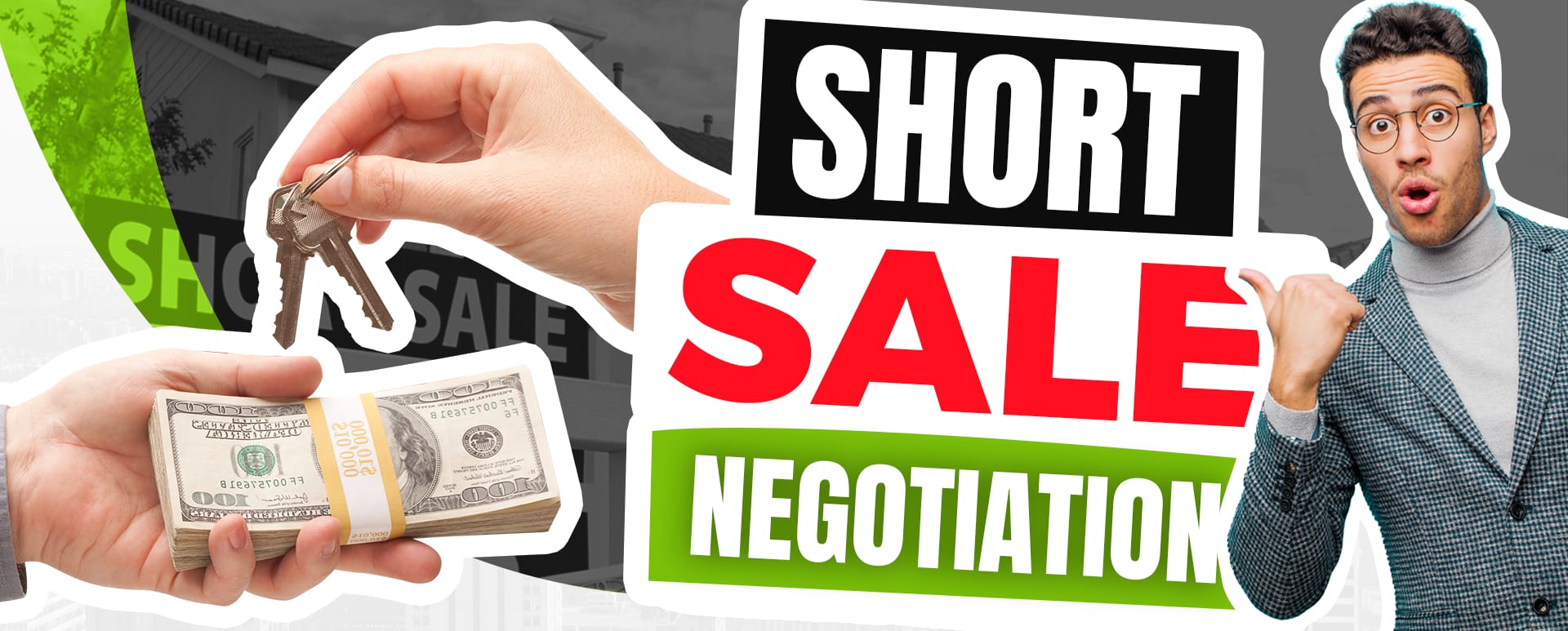
How to Successfully Negotiate a Short Sale in Today’s Market

How to Negotiate a Short Sale in FL (Orlando Guidance)

To negotiate a short sale in FL, you must prove legitimate financial hardship, price the home realistically, submit a complete lender package, and respond quickly to bank requests and counteroffers. The goal is a written approval letter with acceptable terms (including deficiency language) so you can close without last-minute surprises.

If you’re in Orlando or anywhere in Central Florida, short sales can still work in today’s market, but they aren’t “set it and forget it.” The lender is the real decision-maker, and negotiation is what gets you from listing to approval.

What “Negotiating a Short Sale” Means in Florida

A short sale is when your lender agrees to accept less than the total amount owed on the mortgage so the home can be sold. Negotiation is the process of persuading the lender that your offer and terms are reasonable based on market value, your hardship, and the lender’s likely costs and risks if the home goes to foreclosure instead.

In Florida, negotiation matters even more because the approval letter details (timelines, fees, commissions, and deficiency language) can make or break your outcome.

Key Short Sale Concepts (Plain English)

  • Financial hardship: The reason you can’t keep the mortgage current. The lender expects documentation, not just a story. (See financial hardship resources.)
  • Loss mitigation: The lender department that reviews short sale files, modifications, and other workout options.
  • Short sale package: Your lender’s required set of documents (hardship letter, bank statements, pay stubs, tax returns, financial worksheet, etc.).
  • Net sheet: A breakdown showing what the lender will receive after closing costs and payoffs.
  • BPO/Appraisal: The lender’s valuation method (Broker Price Opinion or appraisal) used to decide if your offer is acceptable.
  • Deficiency: The difference between what you owe and what the lender receives. Whether it is waived or reserved depends on lender language and circumstances.

How Short Sale Negotiation Works (What Lenders Actually Want)

Here’s the reality: a lender approves a short sale when it believes the offer is credible and the short sale is cheaper, faster, or less risky than foreclosure. Your job is to make the file easy to approve by removing friction:

  • Complete documentation (no missing pages, no outdated statements)
  • Realistic pricing supported by local comps
  • Clean contract terms and a buyer who can perform
  • Fast responses to bank requests
  • Professional follow-up so the file doesn’t stall

Step-by-Step: How to Negotiate a Short Sale in FL

Step 1: Confirm You’re a Real Short Sale Candidate

Short sales usually make sense when you have limited options to cure the default or maintain the payment, and the home likely won’t sell for enough to pay off the loan(s). If you have multiple liens (first mortgage, second mortgage, HELOC), negotiation becomes more complex because everyone wants a piece of the proceeds.

Step 2: Build a Lender-Ready Hardship File

Your lender isn’t judging you as a person; it’s checking whether the hardship is legitimate and supported by documentation. A clean hardship file typically includes:

  • Hardship letter (brief, factual, consistent)
  • Recent bank statements (all pages)
  • Pay stubs or proof of income (or proof of unemployment/benefits if applicable)
  • Tax returns (as required)
  • Monthly budget/financial worksheet
  • Authorization letter so your agent can speak with the lender

Tip: Most delays happen because lenders request updated documents midstream. Keep your file “fresh” by updating statements and pay stubs quickly when requested.

Step 3: Price It Like You Want It Sold (Not Like You Want It to Be Worth)

Overpricing is one of the fastest ways to kill a short sale. In Orlando, buyers are value-sensitive and lenders rely heavily on local comps. Pricing should reflect:

  • Recent closed sales in the same neighborhood or a close substitute
  • Condition issues and repair estimates (with photos when possible)
  • Days on market and current competition
  • Any HOA restrictions or community factors affecting demand

If the property needs work, document it. Lenders can be stubborn, but they will respond to clear evidence.

Step 4: Put a Strong Offer Together (Lenders Prefer Certainty)

A lender is more likely to approve an offer that looks like it will actually close. The strongest short sale offers usually include:

  • Solid earnest money deposit
  • Proof of funds (cash) or a strong pre-approval (financed)
  • Reasonable inspection period (not open-ended)
  • Buyer flexibility on closing timeline

In today’s Central Florida market, well-priced homes can still attract multiple offers. That helps negotiation because it proves market value and reduces lender “what if” concerns.

Step 5: Submit a Complete Short Sale Package (Offer + Financials)

Negotiation typically doesn’t start until the lender has both:

  • A fully executed contract
  • A complete seller financial package

For a professional workflow reference, we align the transaction with the Realtor industry’s short sale process so nothing important gets missed.

Step 6: Prepare for the Lender’s Value Check (BPO/Appraisal)

After submission, many lenders order a BPO or appraisal. This step is crucial because the lender uses it to decide if your offer is “acceptable.” You can improve your odds by:

  • Providing accurate comps that reflect condition and location
  • Sharing repair estimates (roof, HVAC, plumbing, foundation, etc.)
  • Being present or available for the agent/appraiser if appropriate

In Orlando, small differences between neighborhoods can change value. A local agent’s comp support can matter here.

Step 7: Negotiate Terms, Not Just Price

Most people think negotiation is only about price. In Florida short sales, terms matter too. Lenders may negotiate or dictate:

  • Approved closing date window
  • Closing cost caps
  • Commission limits
  • Buyer credits (often restricted)
  • Repairs (usually “as-is”)
  • Deficiency or future collection language

Bottom line: The approval letter is the real contract. If something is not in writing, assume it’s not guaranteed.

Step 8: Don’t Let the File Die in a Queue (Follow-Up Wins)

Short sales stall when nobody drives the file forward. Consistent follow-up keeps it alive. A realistic approach includes:

  • Weekly lender status checks
  • Immediate responses to document requests
  • Escalation when timelines are at risk
  • Re-submission of updated documents when requested

This is where experienced short sale representation makes a difference: it’s not glamorous work, but it’s what gets approvals.

Step 9: Review the Approval Letter Like Your Future Depends on It

Because it does. The approval letter should clearly state:

  • Approved sale price and net to lender
  • Approved closing deadline
  • Allowed closing costs and fees
  • Commission details
  • Deficiency language (waived, reserved, or addressed)
  • Any additional seller requirements (contributions, promissory note, etc.)

If something looks off, you address it immediately. Waiting until closing week is how deals collapse.

Negotiation Checklist (Florida Short Sale)

  • Get lender authorization signed and submitted
  • Collect full hardship and financial package (all pages)
  • Price using Orlando-area comps and condition documentation
  • Secure a qualified buyer and clean contract terms
  • Submit complete short sale package (contract + financials + net sheet)
  • Support value with comps and repair estimates
  • Follow up weekly; respond to requests within 24–48 hours when possible
  • Negotiate approval letter terms and confirm deficiency language
  • Coordinate title, HOA, and lien resolution early

Short Sale Timeline in Orlando (Typical Range)

Every lender is different, but here’s a realistic timeline range for Central Florida:

Stage What Happens Typical Timeframe
Pre-list prep Hardship docs, authorization, pricing strategy 3–14 days
Listing + offer Market exposure, buyer screening, contract 1–6 weeks
Lender review Package review, BPO/appraisal, internal approvals 6–16+ weeks
Approval to close Final lender letter, title work, buyer financing 2–6 weeks

Tell-it-like-it-is: If you need an urgent sale in 2–3 weeks, a short sale may not match that deadline unless everything moves unusually fast.

Pros and Cons of a Florida Short Sale

Pros Cons
Potentially avoid foreclosure and its long-term impact Approval can take months and timelines can shift
More control than foreclosure (showings, offer selection) Lender may counter or require stricter terms
Can resolve the situation with a defined exit plan Deficiency risk depends on lender terms and case specifics
May allow relocation and fresh start sooner Paperwork-heavy and requires ongoing follow-up

Common Mistakes (And How to Avoid Them)

  • Incomplete documents: Missing pages and outdated statements trigger delays and repeated requests.
  • Overpricing: If the lender’s valuation comes in lower, you’ll likely face a counter or rejection.
  • Weak buyer: Lenders prefer offers that look like they will close. Poor financing is a red flag.
  • Ignoring junior liens: Second mortgages/HELOCs can hold up approval if not negotiated early.
  • Not reading approval letter terms: The letter controls the deal. If terms aren’t acceptable, fix them before closing week.

How It Works in Orlando and Central Florida

Orlando-area short sales are heavily influenced by neighborhood-level comps, HOA requirements, and buyer expectations. In some Central Florida pockets, buyers move fast on well-priced homes; in others, condition and insurance costs can slow demand.

Local details that often matter in Orlando short sales:

  • HOA/condo approvals and estoppels: These can affect timelines and closing costs.
  • Investor activity: Some areas attract cash buyers, which can strengthen your “certainty to close.”
  • Condition reality: Older roofs, HVAC age, or plumbing issues can materially affect valuation and buyer financing.

If you want the negotiation handled by someone who does this in the Orlando market, work with a dedicated Orlando short sale agent instead of rolling the dice with someone who “kind of” knows the process.

FAQs: How to Negotiate a Short Sale in FL

1) Can I negotiate a short sale in Florida without being behind on payments?

Sometimes, yes. Some lenders will review a short sale if you can document hardship and show the situation is unsustainable. Many lenders, however, prioritize files that are already delinquent.

2) What documents do I need to negotiate a short sale in FL?

Common requirements include a hardship letter, bank statements (all pages), pay stubs or proof of income, tax returns (if required), a monthly budget, and a signed authorization form. Your lender may require additional forms.

3) How long does a Florida short sale negotiation take?

A realistic range is 60–180+ days after a complete package is submitted, depending on lender responsiveness, lien complexity, and valuation timing.

4) Will the bank counter my buyer’s offer?

Yes, it can. Counteroffers happen when the lender’s valuation comes in higher than the offer, or when the lender requires different terms to meet its net proceeds target.

5) Do I still owe money after a short sale in Florida?

It depends on lender terms and the approval letter language. This is why deficiency wording matters. You want clarity in writing before closing.

6) What’s the difference between a short sale and foreclosure in Florida?

A short sale is a negotiated sale with lender approval; foreclosure is a legal process where the lender takes the property (or forces a sale) due to default. Short sales usually provide more control and a clearer transition plan.

7) Can I negotiate a short sale if I have a second mortgage or HELOC?

Yes, but it’s more complex. Junior lienholders may need to accept a reduced payoff, and the first lender’s approval may depend on how those liens are resolved.

8) Should I accept the first offer on my Orlando short sale?

Not automatically. You want the strongest offer that is most likely to close, because lender approval takes time and weak buyers can waste months.

9) Can buyers back out of a Florida short sale?

Yes. Buyers can walk if timelines drag or terms change. That’s why buyer qualification and communication are huge in short sales.

10) Who should I hire to negotiate a short sale in Orlando?

You want an agent experienced with lender packages, follow-up, valuation disputes, and approval letter terms. For Central Florida help, call Orlando Realty Consultants at 407-902-7750 — se habla español.

Talk With Orlando Realty Consultants (Short Sale Help)

If you’re trying to figure out how to negotiate a short sale in FL and you want local Orlando guidance (not generic advice), call Orlando Realty Consultants at 407-902-7750. We serve Central Florida, and se habla español.

We’ll help you understand whether a short sale is realistic for your situation, what documents you’ll need, how to price it to attract buyers, and how to keep the lender process moving toward a written approval.

Let's Keep In Touch!

New ORC Form Lead

"*" indicates required fields

This field is for validation purposes and should be left unchanged.
TOC*

How do Realtors Negotiate a Short Sale?

Whether you’re looking to buy a short-sale home or negotiate a short sale with your realtor, a few tips can help you make a successful short sale. First, it’s important to understand the requirements for a short sale. Different lenders have different requirements for the process. Some require a Broker Price Opinion (BPO) and may be more aggressive than others. Regardless of the lender you choose, there are ways to speed up the short sale process.

Process

The first step in the negotiation process for a short sale on a home is to submit an offer to the lender. This initial offer will serve as the basis for the rest of the process. However, the offer must be submitted correctly, or it will be rejected. To be successful, the lender must accept your offer. After all, the lender is taking a loss on the property, and they want to be sure that they are receiving a fair market offer. As such, your offer must be comprehensive, including the full package requested by the lender.

When you’re looking for a short-sale realtor, it’s important to look into their past experiences. Ask them about the types of short sales they’ve handled and their overall experience dealing with multiple lenders and lien holders. It’s also important to ask about their previous clients’ experiences with short sales.

Before you make an offer on a short-sale home, you need to be aware of all liens on the property. If the seller is asking for money under the table, you should walk away. Also, you must know the condition of the property before closing. Sellers are required to disclose any known defects in the home. If you’re not sure of the condition, you should complete a home inspection.

Dealing with a real estate agent

Working with an Orlando Real Estate Agent can be beneficial for a number of reasons. For one thing, an agent who specializes in short sales will be able to help you navigate the process of negotiating a short sale. Your agent will be able to review public records and look at comparable properties and give you advice on making an offer. Since your agreement with the home seller is not set in stone, it is crucial to hire an expert to inspect the property before finalizing the deal.

First, you must show that you can’t pay your mortgage. To do this, you must submit a short sale application, which will include financial and personal information about you. You will also need to provide a hardship reason, which the bank will use to determine if you qualify.

Working with a real estate agent during the short sale process is extremely necessary. The short sale process can take longer than you expect and may reveal more problems than you’re willing to fix. It is also possible for a home to suffer serious damage before the closing date, and you don’t want to lose your deposit if the property is not up to par. To avoid this situation, you should always include contingencies in your contract offer. Some of these contingencies include home inspections, loan approval, and hazard insurance. You can also include an interest rate cap so you won’t lose your deposit if rates go up.

Your real estate agent will send your offer to the lender for approval. The lender will want to see proof of your funds or preapproval. If you can’t provide this, the lender may reject your offer. However, some lenders may reserve the right to renegotiate the terms of the deal at the last minute.

Timeline of a short sale

A short sale is a sale of a home that is not in foreclosure. The process of a short sale can take months, but it can be done as quickly as two months. It is important to be patient and understand the timeline involved. A short sale is not an immediate sale, and the bank will want to review all documentation and forms before agreeing to a short sale.

In the meantime, you have to list your home with a licensed Real Estate agency. The listing process is similar to the normal re-sale process, and in the city, a property typically spends over 100 days on the market.

In order to negotiate a short sale, the homeowner will need to meet the lender’s requirements and work with a realtor. The lender will need to approve the short sale package before releasing the homeowner from the mortgage loan. The borrower will need to submit documentation and financial information to prove their current financial condition.

If you do decide to go ahead with a short sale, it is important to note that the process could take longer and be more stressful than a traditional sale.

Securing a mortgage after a short sale

If you’ve just completed a short sale, you may wonder if it’s possible to get another mortgage. Bankers generally don’t like to see a short sale on your credit because this shows you have left part of the debt outstanding.

A conventional mortgage might be an option with a substantial down payment amount and extenuating circumstances. In general, you need to put at least 20% down to be approved for a conventional loan. Freddie Mac, on the other hand, requires that you wait for four years after completing a short sale. However, if you’re able to come up with a valid reason, you may qualify for a mortgage sooner.

Let's Keep In Touch!

New ORC Form Lead

"*" indicates required fields

This field is for validation purposes and should be left unchanged.
TOC*