

Is Orlando Real Estate Still a Good Investment?

Of late, there have been several bits of speculation and buzz that indicate that the Orlando real estate market is booming, with reports indicating decreased foreclosures, rising real estate prices, and a rising number of real estate sales. What we must ask ourselves is how stable is this current trend, and are we in promising times or living in a bubble that could end up in an economic collapse in times to come.

What’s changed over the last few decades?

In today’s economic and financial scenario, bank finance isn’t as readily available for Orlando real estate as it was decades before. As individual investors, individuals are hard-pressed to secure bank financing for real estate investments. What then happens, is that the small investors in a hurry to make a sizeable profit invest their own funds, often investing entire life savings to purchase real estate in order to reap the benefits in due time.

However, this doesn’t turn out well in most cases, as these investors find themselves struggling with statutory regulations such as tax assessments and payments, insurance premiums, and other fees involved in purchasing real estate. As a result, they get trapped in a state of limbo, finding themselves without their life savings, and with a compulsion to sell at a loss to recover this money.

Additionally, investor groups are backing end-users into a corner by securing real estate using cash, as the end-users cannot afford to pay all associated fees and taxes since they cannot secure bank financing. Hence, investors will end up driving out these end-users or renting out properties. In the case of rent, there is no appreciation in the value of the property, as property values will improve only if there are people willing to purchase them and start living in them. With the constantly rising prices, these practices place a lot of financial strain on the already struggling end-users.

Why reports don’t tell you things the way you need to see them

Despite the recent reports about reduced foreclosures and rising prices, why is it still a bad idea to invest in Orlando real estate This is because the reports don’t account for foreclosures that are dismissed due to lack of prosecution, which will not be accounted for until they are filed for again. Another possibility is that banks and similar financial institutions have a role in delaying foreclosures, simply to avoid the added burden of tax assessments and insurance.

Let's Keep In Touch!

New ORC Form Lead

"*" indicates required fields

This field is for validation purposes and should be left unchanged.
TOC*

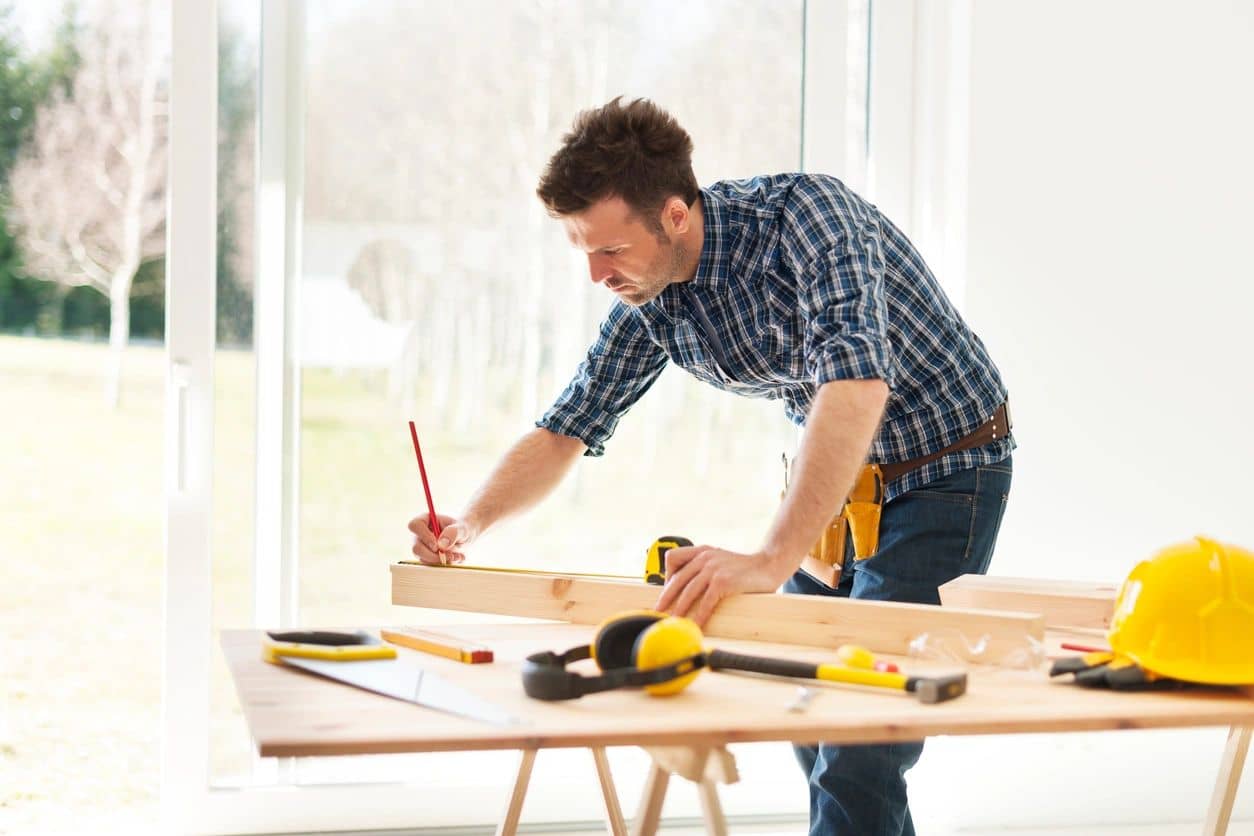
6 Things You Should Know Before Flipping a House

House flipping is all the rage in the real estate industry. In fact, it is such a popular trend that there are even dozens of television shows dedicated to flipping. When done correctly, flipping houses turns into quite a lucrative business and some people actually turn flipping into their full-time careers.

If you are thinking about getting into the house flipping business, there are some things that you should know before you head out, buy a property, and begin your renovation. There may be a lot to gain, but there can also be a lot to lose if you don’t know what you are doing. Here are some important things to consider before getting involved in a flip.

Buy Wisely

The entire point of flipping a house is to make money. In theory, it seems quite simple – buy a house for a great purchase price that doesn’t require extensive repairs, and then turn around and sell it, earning a high profit. However, it often doesn’t turn out exactly like that. Know your budget before beginning the search for your house to avoid getting in over your head. Although you may have big dreams to completely renovate a kitchen, if it’s not in your budget, it won’t be profitable for you in the end.

Consider the Area

In the world of real estate, you always hear people talking about the three most important “L’s” – hint, they all involve location. This is because location really is that important. While you can change the way a home looks, you can’t change the location, which is sometimes one of the biggest things potential home buyers take into consideration

Avoid buying a house that is in a bad neighborhood or in an unattractive area (near train tracks or a junkyard, for example) because no matter how amazing you make it look, it will likely make for a very hard sell.

Get an Inspection

Don’t buy a house without having an inspection done. While the house may look like it only needs some updating, there could actually be several problems that you aren’t aware of. Structural damage, plumbing and electrical issues, mold, and other issues may be lurking unseen within the house, ending up costing an arm and a leg to repair. 

Hire Professionals

While yes, you may be able to do some of the work yourself, don’t think that doing all of the work on your own will save you a bundle of money. Unless you are a skilled and experienced contractor and know how to correctly handle all aspects of the flip, employing professionals as needed is a wise investment that will save you money in the end.

Know your limits – sure, attempting to do electrical work might seem like something you’d like to try, but when it comes to your house flip, this probably isn’t the greatest place to hone your skills.

List Wisely

Once the work is all done, it’s time to put the house up for sale. Don’t attach a huge price tag to it, simply because of the amount of work you did to the house. Take a look at comparable properties in the area and list it about 1 to 2 percent lower than what they are listed for. By staying lower than neighboring houses, the appeal of your home instantly goes up for potential buyers. What does this mean for you? A higher profit.

Assess Risks vs Benefits

Flipping a house is a very lucrative business, but it can also be a risky one. Before you invest time and money into a property and the renovations that will be necessary, make sure you assess the risks vs the benefits. Will the flip pay off? Do you think you will be able to complete the job in a timely manner? Will the house sell? If there are more benefits than risks, you stand to make a good deal of money. However, if the risks outweigh the benefits, there’s a chance you could lose a tremendous amount of time, money, and energy.

Flipping a house is a creative outlet that also serves as a way to make money if done the right way. Before jumping headfirst into the renovation project of the century, keep this information in mind – you’ll end up making wise investments and, ideally, reaping a profit.

Naomi Shaw is a freelance writer in Southern California. She enjoys doing home renovation projects and finds these tips are very helpful when it comes to flipping a house.

Let's Keep In Touch!

New ORC Form Lead

"*" indicates required fields

This field is for validation purposes and should be left unchanged.
TOC*

Newer Homes Preferred by Orlando Real Estate Buyers


 The real estate scenario in Orlando is a flurry of activities with new homes coming on top in a competition for the buyers. This has created a unique opportunity for the sellers, especially for those selling homes that were built in the 90s, with buyers indulging in a bidding war for these properties. As far as Orlando short sales are considered, the buyers seem to have a lot more negotiating strength when pursuing older properties compared to brand new ones. This is because when it comes to the new properties, they almost certainly get tough competition from affluent buyers.

Analyzing the trend

 The current trend seems to be driven by all sorts of investors, those that are aiming for resale, as well as rent. A report released last month suggests that these investors have been responsible for the inflation in the housing market in Orlando, as far as prime residential properties that were built since 1990 are considered. This could be partial because houses built over two decades ago are often considered to be less appealing as they are more likely to require upgrades and repairs. However, this is something that is not necessarily true as even newly built properties could be in a worse condition as compared to some of the houses built in 90s that are still in excellent shape. 

These older homes can also be highly appealing, especially in pristine neighborhoods in Orlando real estate. However, the overall demand for properties in Orlando has been for greater newer properties. Orlando real estate comprises of about 30% of the houses that have been built since the year 2000. However, only 34% of the sales have been taken place in this group. The report also suggests that a similar trend has been observed for houses that have been built between 1990 and 2000.

One of the distinctions between the newer and older neighborhoods is that most of the homes that are rich in equity are not listed for sale, as compared to houses in areas that have been heavily hit by foreclosure since 2008. Buyer interest for homes built before 1990 has only diminished further;. these houses, which comprise of more than 50% of the real estate properties in the area,  have only made up for as much as 41% of the sales recorded so far, reflecting a negative impact on the market.


Orlando Real Estate Broker

Let's Keep In Touch!

New ORC Form Lead

"*" indicates required fields

This field is for validation purposes and should be left unchanged.
TOC*

Real Estate Purchasing Tips and Guidelines

First-time homebuyers of homes tend to miss out on vital clues on the market, thus leading to bad decisions. The following tips will give you the necessary hints to pay attention to so you’ll make your purchase safely and prudently:

  • Check out the prices of homes around the area you’re aiming for. You can do that through a number of easy-to-use websites around the internet. On the other hand, you can contact realtors there the old-fashioned way for more hands-on information.

  • Choose the ones you need based on their affordability. You should do a fair bit of calculation just to make sure you have your finances checked out and on track.

  • One thing you need to focus on is the total price of the housing costs you need to cover each month. If you want to get a good feel of the sum you’ll have to deal with you should calculate the taxes and insurance as well. Depending on the area of the property you’re going for you may have to deal with taxes and insurance that outweigh the mortgage itself so keep your eyes open. Focus on checking properties in an area where you plan on living or buying and call up a local insurance company for an estimate that fits. It would be a good idea to have some information on what you’ll be dealing with once you have your property. There may be ways to take advantage of exemptions and tax laws so make sure you never miss that crucial step.

  • Check out how much you’ll need to pay when you’re closing the costs. The costs of settling should also figure into your calculations. This means you’ll need to cover fees such as settlement, Orlando homeowners insurance, taxes and lender fees as well as the title. Do a bit of research on the subject as these may have changed in time.

  • Check your budget and decide how your new house fits into all of it. Make sure you settle some money aside so you won’t have to deal with financial fallout if things go out of hand with expenses.

  • Talk to real estate agents in your area about the possible changes in the local market. You might get some very useful information that way so you’ll get to find a good reason to buy the property you need.

  • In the end you’ll need to have a solid plan that encompasses the entirety of the picture you’re dealing with. Although purchasing a property might be a great way to settle down, it also has its costs and labor involved. Make sure you keep these upkeep costs in mind and stay focused while you draw your plans.

Let's Keep In Touch!

New ORC Form Lead

"*" indicates required fields

This field is for validation purposes and should be left unchanged.
TOC*

Tips for Estimating Repairs on Orlando Investment Properties

Have you ever bought a car without first finding out how much the monthly payment will be or how much it will cost to insure it? Of course not, that would be crazy and irresponsible. You would first find out how much everything will cost to determine if you can afford it or not.  The same thing holds true when you’re talking about buying Orlando investment properties. When you buy a house with the intention of selling it for a profit, it’s crucial that you get the numbers right from the very start or you could end up losing money.

Know the difference between Cosmetic Repairs and Structural Repairs

Just about anyone can recognize when a house needs a paint job, new carpet, or maybe even some minor carpentry repairs. These items are considered cosmetic repairs and can usually be completed with a few thousand bucks depending on the size of the house.  In some instances, you may even want to do some upgrading such as new kitchen cabinets or replacing fixtures, etc. I consider these items to be cosmetic repairs as well though they will be a bit more costly. However,  it’s very important to know if the house you’re about to purchase has any major structural issues with it.

Structural damages to a house can be a game-changer and most of the time will turn a deal into a non-deal depending on the extent of the damage and much it will be to make the necessary repairs. Unless you are a seasoned investor, I would highly recommend that you steer clear of any houses in need of major repairs.  

Some examples of major repairs are as follows:

Updating the Electrical system– Houses that are older [30+] will sometimes need to have the electrical system brought up to code. This can sometimes mean that the whole electrical system will need replacing or rewiring.

Rotten Plumbing – Having corroded or rotted plumbing has the potential to be a rehabber’s nightmare. Plumbing runs through the walls as well as the foundation and leaky pipes can easily cause severe damage over time.

Dry rot and termites-  This can be another major problem to the structure of a house, especially if it’s an older home. There are rafters in the attic as well as studs in the walls that are made of wood and if there is evidence of termites or dry rot, you may be looking at replacing most of it which mean a lot of demolition in addition to replacing the rotted wood.

All of the above-mentioned repairs can cost a lot of money. Also, it can be risky because most of the time you won’t know the extent of the repairs until you start the project and know exactly what you’re dealing with. As an experienced rehabber myself, I’ve seen what I thought was going to be a $5,000.00 repair turn into a $15,000.00.

Keep it Simple

Remember that your goal is to resell the house for a profit. That means that you need to get a good enough deal so that you can do all the repairs and get it sold quickly. My advice to any investor experienced or not is to stay away from homes in need of major repairs. If you have to repair to many things, not only will you end up spending too much money, but it will also take longer to get the house ready to put on the market. Like that old saying goes “Time is money” and another month or 2 of carrying costs while your house gets repaired can mean thousands out of your pocket.

Follow this simple formula when looking at investment properties

1-Enlist the help of an experienced Orlando Realtor in the area you wish to buy-in.

2- Determine the value of the home after repairs. Always expect your house to sell for less than the lowest comp in the area.

3- Determine how much you will spend on making repairs then add on another few thousand to it to be safe.  You should also add your projected carrying costs to the budget.

4- Price the house correctly from the start, too many people make the mistake of pricing the house too high and it ends up sitting in the market for several months and they ultimately end up lowering the price anyway.  This is where a good Orlando realtor can help you tremendously.

By following these basic guidelines, you will have a much better chance of making a profit once the house is ready to be put on the Orlando real estate market.

Let's Keep In Touch!

New ORC Form Lead

"*" indicates required fields

This field is for validation purposes and should be left unchanged.
TOC*