How Much House Can I Afford in Orlando, Florida?

Most buyers can afford a home priced at about 3–5 times their annual household income, depending on debt, down payment, interest rates, taxes, and insurance. In Orlando, local home prices, HOA fees, and insurance costs play a major role in determining what you can realistically afford.

What Does “How Much House Can I Afford?” Really Mean?

This question isn’t just about the home price—it’s about your monthly comfort level. Lenders approve loans based on formulas, but smart buyers focus on affordability they can live with long term.

In Orlando, affordability is influenced by:

  • Home prices by neighborhood
  • Property taxes and insurance (especially wind coverage)
  • HOA and condo fees
  • Interest rates at the time you buy

The Core Numbers That Decide What You Can Afford

1. Your Gross Monthly Income

Lenders typically allow housing costs to take up to 28–31% of your gross monthly income. That includes principal, interest, taxes, insurance, and HOA fees.

2. Your Debt-to-Income Ratio (DTI)

Most lenders cap total monthly debt (housing + other debts) at 43–45%. This includes:

  • Car payments
  • Student loans
  • Credit cards
  • Personal loans

3. Down Payment Amount

A higher down payment lowers your loan amount and monthly payment. In Central Florida, many buyers use:

  • 3–5% down (conventional)
  • 3.5% down (FHA)
  • 0% down (VA or USDA, when eligible)

4. Interest Rate

Even a 1% change in interest rates can shift your buying power by tens of thousands of dollars.

Typical Orlando Home Affordability Examples

Household Income Estimated Max Home Price Comfortable Range
$75,000 $275,000–$310,000 $250,000–$290,000
$100,000 $350,000–$425,000 $325,000–$400,000
$150,000 $525,000–$650,000 $500,000–$600,000

These are estimates. Insurance, HOA fees, and taxes vary widely by neighborhood.

Steps to Figure Out Your Real Buying Power

  1. Calculate your gross monthly income
  2. Add up all monthly debts
  3. Estimate taxes, insurance, and HOA fees
  4. Get pre-approved (not just pre-qualified)
  5. Stress-test your budget for comfort

Online tools help, but pairing them with real data from Realtor.com – Buying Guide and local pricing trends matters.

Pros and Cons of Buying at the Top of Your Budget

Pros

  • More home options
  • Better locations or newer construction
  • Potential long-term appreciation

Cons

  • Less monthly flexibility
  • Higher stress if expenses rise
  • Harder to handle repairs or lifestyle changes

Common Mistakes Orlando Buyers Make

  • Ignoring HOA fees in condos and townhomes
  • Underestimating Florida insurance costs
  • Buying at lender max instead of comfort max
  • Not budgeting for maintenance

How Home Affordability Works Specifically in Orlando

Orlando is a neighborhood-driven market. Your affordability changes drastically depending on where you buy.

For example:

  • Downtown condos may have lower prices but high HOA fees
  • Suburban homes may cost more but offer lower monthly overhead
  • Some buyers explore rent to own in Orlando as a stepping stone

Local policies and services from the City of Orlando can also impact taxes and zoning.

Market data from Zillow Research – Market Trends and listings pulled directly from the MLS help determine what’s realistic right now.

FAQs: How Much House Can I Afford?

How much house can I afford based on my income?

Most buyers land between 3–5 times their annual income, depending on debt and down payment.

Can I afford a house in Orlando on $100,000 a year?

Yes, many buyers at this income level qualify for homes between $350,000–$425,000, depending on expenses.

Should I buy at my maximum approval?

Not always. Lender approval doesn’t account for lifestyle comfort.

How much should I save before buying?

Plan for down payment, closing costs, and at least 3–6 months of reserves.

Do HOA fees affect affordability?

Absolutely. They count toward your monthly housing expense.

Is it cheaper to rent or buy in Orlando?

It depends on the neighborhood, but ownership often wins long-term.

Does student loan debt reduce how much house I can afford?

Yes. It increases your DTI and lowers buying power.

Can I buy with low credit?

Yes, but rates and loan options vary.

What’s more important: price or monthly payment?

Monthly payment. That’s what affects your life.

Next Steps: Get Real Numbers, Not Guesswork

If you want a clear, honest answer—not a sales pitch—work with professionals who know Central Florida inside and out.

Talk to Orlando Realty Consultants

Orlando Realty Consultants
Serving Central Florida
📞 407-902-7750

We’ll break down your numbers, explain your options, and help you buy with confidence—without pushing you past your comfort zone.

Let's Keep In Touch!

New ORC Form Lead

"*" indicates required fields

TOC*

7 Qualities of a Top Realtor

Knowledge of their local market

It’s absolutely crucial to hire an agent with an intimate knowledge of the local market. The MLS is a great tool when you’re doing some preliminary research like cost per sq ft and getting comparables. However, you need a realtor who can go deeper than that, someone that has local knowledge of the area you’re looking in. When you find a realtor that lives eats and breathes real estate, they’ll know things that other real estate agents won’t.

Relationships with homeowners

Realtors that specialize in certain areas will sometimes know the homeowners that are selling, personally. Whether it was from an open house in the same neighborhood or maybe from knocking on doors. A good realtor will go out of their way to create relationships with homeowners looking to sell their property.

By having a good relationship with the seller, the realtor may have some useful information like how motivated the seller is and if they need to move out quickly or maybe they don’t care if it sells at all.

Knowledge of Pocket Listings

These are listings that are not marketed through the MLS for one reason or another. Although pretty rare, pocket listings do exist, and usually, only agents that work in that area will be aware of them.

Experience as a Listing Agent

Like in any other competitive profession, there is no love lost when it’s time to negotiate the sales price. The buyer’s agent is trying to get the deal of a lifetime while the listing agent is trying to get $10,000 over the asking price.

Having an experienced agent in your corner who has “been there and done that” many times in their career will give you peace of mind that you’re in good hands. Is it really worth losing money on the buying or receiving end of a transaction just because you wanted to help your friend or family member who just got their real estate license?

Tech Savvy 

It’s no secret that most potential buyers start their search online. Fortunately, these days most agents will allow clients to search the MLS right from the agent’s website. However, even though the MLS is the most popular site for real estate searches, there are countless others now and your realtor should be familiar with and have access to all of them.

A good realtor will use all of his/her tools in their realtor toolbox to get the job done quickly and efficiently. You can start to see how having someone experienced in your local market is a huge advantage. 

Has Been Established For A Long Time

If a realtor has been in business for more than 10 years and is still thriving, then you know they’re doing something right. Getting your real estate license is relatively easy and most people that get their license don’t end up making it as realtors. Being a successful realtor year after year takes hard work, dedication and a never say die attitude, especially with an ever-changing real estate market.

Outstanding Track Record

This is the “proof in the pudding” when it comes down to it. It’s crucial that you find out what the realtor’s track record is. You should find out how many transactions they’ve done in their career overall and how many in the last year or six months. If their numbers don’t make you say “WOW!”, then you should probably move on to the next candidate. It’s also a good idea to ask for references from some of their past clients.

Easy Exit Listing Agreement

Even with all the ways, we can research an agent, there’s a chance that you still might end up with someone that isn’t producing the results that you were promised. Be very careful when choosing your agent and make sure that there’s a clause that lets you cancel the listing at any time for non-performance with no cancellation fee. If not, you could be stuck with a bad agent for the remainder of the listing contract or pay a hefty cancellation fee.

We’ve completely eliminated this problem in our own company by using what we call our “Easy Exit Listing Agreement”. It gives homeowners peace of mind knowing that if w don’t perform, then they can cancel on us anytime with no cost to them.

Let's Keep In Touch!

New ORC Form Lead

"*" indicates required fields

TOC*

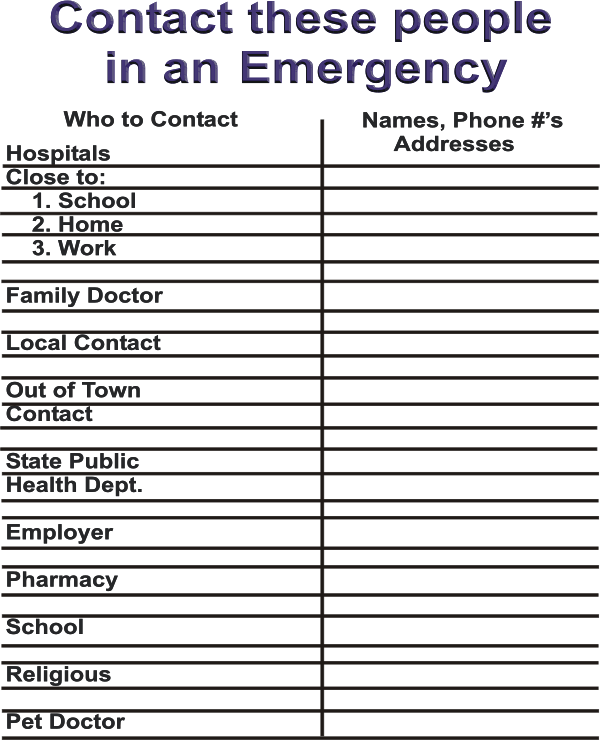
You Bought a House! Congrats! Now Six Numbers to Have by Your Phone

You have just brought the last moving box into your new home and are getting ready to enjoy living in a place you will love for many years to come. Home, sweet home! One of the many questions you may be asking yourself is, Now what? An important issue to take care of is your handy list of important phone numbers, which will no doubt need updating for your new digs, new neighborhood, and possibly even new city or state.

Local Non-emergency Number

In the US, almost everyone can dial 911 to get emergency services, including the police and fire department, but what do you dial in situations where you need to talk to the authorities, but don’t necessarily need an emergency vehicle in your yard pronto? Most communities have a designated non-emergency contact number. It’s a good idea to keep it on hand.

Poison Control

This number is especially handy for those who have children or pets as they can tell you if what your child/pet has swallowed is poisonous or otherwise harmful. Many areas offer these numbers as an alternative to 911 because it is so frequently needed and yet infrequently a life-threatening emergency.

24/7 Plumbing Service

You need this one because pipes typically do not burst during regular business hours. This is especially prudent to have on hand if your new home is a vintage property with older pipes and fixtures.

Locksmith

Program this one into your cell phone, just in case. Lock-outs are very common upon moving into a new place because your routine isn’t established yet, making it more likely that you will lock your keys in the house. A locksmith can get you back inside without damaging windows or doors.

Utilities

This is actually going to involve more than one number as you will wish to have contact information for your electric, water, natural gas, television/Internet, garbage, and other service providers. Nevertheless, these are good numbers to have in one place, just in case important service-related or other information is needed.

Cooling & Heating

Depending on the current season, this is a necessary number to have on hand. In case of your heating or cooling system goes out. This will lead to major discomfort in your home and more often then not heating and cooling systems tend to malfunction at the coldest or hottest times. The experts from Orlando say this is because depending on the season, the coldest or hottest times are obviously when the most stress is being placed on the system.

Local Public Library

While this may sound fairly nonsensical to many people, libraries are great places for new arrivals to get information on a variety of local topics from resident experts. Any question you have, they have likely answered before. Business hours may vary, but they are still a very useful resource, especially for local government, school, and community information.

Now that you have your list of important phone numbers, you can feel free to sit back and enjoy that new home. You’ve earned it!

Let's Keep In Touch!

New ORC Form Lead

"*" indicates required fields

TOC*

Five Great Tips For Reducing The Burden Of Buying a Home

Purchasing a home is a goal that many people have, and to do so is quite an accomplishment, especially in very expensive areas of the country. However, no matter how much money you have, buying a home tends to be at least a little bit of a burden. How can you reduce that stress?

Give Yourself Time

Some people start looking for houses right as their apartment lease is about to be up or as soon as they are going to start a new job. Purchasing a home is a process that takes time. The actual process of getting the house will eat up a lot of time, and so will going around to look at potential homes. Trying to squeeze all of this into a short time frame is only going to stress you out.

Choose Affordable Areas

You also do not want to get yourself in too deep with the mortgage. Do not feel as though you need to purchase the biggest home in the most regal area right away. Plenty of real estate in upstate New York is affordable and in nice areas. Remember, you need to feel comfortable in the town and house; other peoples’ opinions of them do not matter. Many live in a starter house and then upgrade later.

Don’t Max Out On The Mortgage

Before you are actually able to buy a house, you are going to get approved for a mortgage. No magic number exists for determining how much you’ll be approved for; however, many estimates do put the figure at about 3.5 times your total salary or salaries. Still, though, this doesn’t mean that you should spend that much on a home. Factor in utilities, groceries, car payments, etc., and you’ll quickly see why.

Don’t Do It Alone

Trying to find a house without a real estate agent can be a little bit overwhelming. Some do feel that they are able to procure a home without assistance, but others make the decision to select another company. These agents can help you to find the perfect home and ensure a cohesive process.

Remember Closing Costs

When you are closing on the house, you are going to have to pay money out of pocket. Some people forget this, and then they find themselves in an unpleasant situation. Find out how much closing costs are going to be right away so you can plan accordingly.

When you enter your home, you’ll be thrilled to have a place to call your own. These five steps will help the process to run more smoothly.

Let's Keep In Touch!

New ORC Form Lead

"*" indicates required fields

TOC*